





You set your coffee down for a second, your dog gets a few laps of the milk, and now you're wondering if that was a mistake. It probably wasn't a big one. Most adult dogs don't need milk, though, and plenty get gas, soft stool or an upset stomach from it.
If you do offer dairy, keep it plain, tiny and occasional, and skip anything sweetened or flavored. Dogs with vomiting, diarrhea, a pancreatitis history, allergies or weight concerns should avoid milk unless your vet says otherwise.
Why milk bothers many dogs

Puppies drink milk, and an enzyme called lactase breaks down the milk sugar, lactose. After weaning, their bodies make less lactase. By adulthood, most dogs develop adult-type hypolactasia, which is a fancy way of saying lactose intolerance is normal in adult dogs.
With low lactase, undigested milk sugar sits in the gut. It ferments and makes gas, or it draws in water and causes diarrhea. Our guide to dog diarrhea, how to identify it and what to do next has more.
Can dogs drink milk? Technically yes. Large amounts of store-bought cow's milk generally aren't a good idea.

Cow's milk isn't automatically bad for dogs, but it offers little nutrition compared with the risk of digestive upset. The amount matters, and so does the lactose. Watch closely after any dairy treat.
- Most adult dogs do not need milk, and lactose intolerance is the norm rather than the exception.
- Dogs with a pancreatitis history, vomiting or diarrhea should skip milk unless the vet agrees.
- The safer choices are small, plain and occasional, such as unsweetened kefir or plain yogurt.
Cow, goat and plant-based milks compared
Grocery-store milk is nothing like the milk puppies get from their mothers. Cow's milk is much higher in sugar (lactose) and lower in fat and protein than canine milk. See how the types stack up.
| Milk type | Lactose content | Digestibility | Safety rating |
|---|---|---|---|
| Cow's milk | High | Low | Moderate (risk of upset) |
| Goat's milk | Moderate | Medium (smaller fat globules) | Good (in moderation) |
| Dog's milk | Low | High (perfectly adapted) | N/A (for puppies only) |
| Almond / oat milk | None | Variable | Moderate (check labels) |
Goat's milk has less lactose than cow's milk, but it's still dairy, so it's no free pass for a dog with a sensitive gut. Almond and oat milks have no lactose, but digestibility varies and labels differ. Check the ingredients for added sugar, flavorings and xylitol before you offer any of them.
What lactose trouble looks like
After dairy, watch for these signs of lactose intolerance:
- Loose stools or diarrhea
- Excessive gas (flatulence)
- Bloating or abdominal pain
- Vomiting
- Audible stomach gurgling
A small sip of your latte probably won't send your dog to the emergency vet. Symptoms usually show up within 12 hours, so keep an eye on them for the rest of the day.
- Loose stools or diarrhea
- Excessive gas (flatulence)
- Bloating or abdominal pain
- Vomiting
- Audible stomach gurgling
If loose stool is the main sign, Probiotics for Dogs with Diarrhea 2026 has background on gut support. A lingering problem still needs your vet.
High-fat dairy can, rarely, trigger pancreatitis, a serious condition that needs immediate medical attention.
Easier-on-the-stomach alternatives
If you want a creamy treat without the tummy trouble, there are gentler options. If you're comparing foods too, see Best Dog Food for Gut Health: How to Compare Options (2026). For background on the gut itself, read The Gut Microbiome of Dogs.
Kefir and yogurt
Fermented dairy such as kefir is the safer choice, and plain unsweetened yogurt is the usual starting point. Keep portions tiny and check the label for added sugar or flavors. Plain Greek yogurt without sweeteners works for most owners. For other dairy foods, see Can Dogs Eat Cheese? Practical Guide: 5 Safe, 3 to Skip (2026).
Goat milk toppers
Many dog parents choose freeze-dried or raw goat milk. It adds moisture and nutrients without the heavy sugar load of cow's milk. Use it as an occasional topper rather than a daily drink, and stop if any of the signs above appear.
Homemade doggy "ice cream"
Store-bought ice cream is sweet and rich, a poor match for a dog's gut. A home version lets you control every ingredient. Try this one:
- 1 ripe banana (frozen)
- 2 tbsp plain Greek yogurt (unsweetened)
- 1 tbsp peanut butter (xylitol-free)
Blend until smooth and freeze. Serve a small portion as an occasional reward, and count it with the day's other treats.
Dairy is an optional extra for dogs, and since lactose intolerance is so common, small portions of fermented dairy or goat milk toppers are the safer picks on an ordinary day. For the wider picture, read the complete dog gut health guide.
For another drink or dairy food, search our free Can my dog eat this? checker.
Where supplements fit
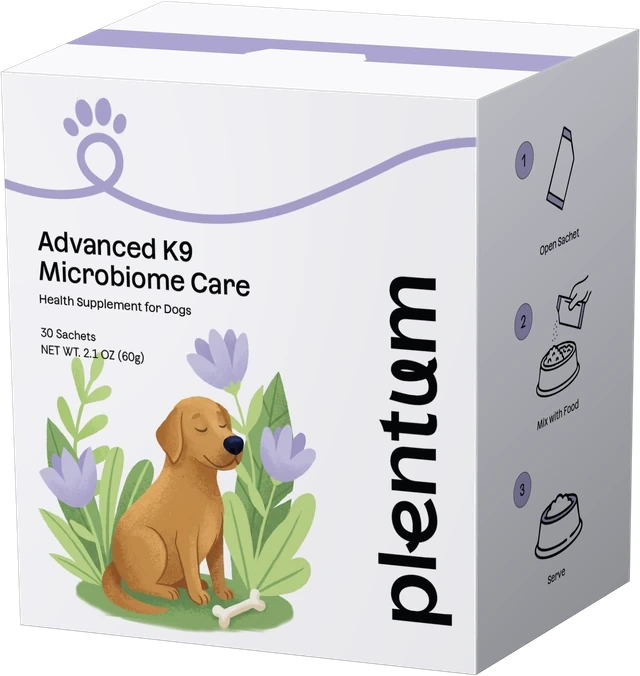
A supplement is no substitute for a plain diet, limited dairy or a vet visit. Some owners also use Plentum Advanced K9 Microbiome Care, a daily sachet mixed into food, as one part of a wider routine. Start on an ordinary day, not in the middle of a treat, so you can see how your dog responds.
Frequently asked questions
Can dogs have milk?
Most adult dogs don't need it, and some get gas, soft stool or an upset stomach from the lactose. If you offer any dairy, keep it plain, tiny and occasional. Dogs with vomiting, diarrhea, a pancreatitis history, allergies or weight concerns should skip milk unless your vet says otherwise.
Are dogs lactose intolerant?
Most adult dogs are, because lactase levels fall after weaning. Undigested milk sugar can ferment in the gut and cause gas or loose stool. It varies from dog to dog, so watch how yours responds.
Does milk give dogs diarrhea?
It can, especially in dogs that are sensitive to lactose. If diarrhea continues after you stop dairy, or comes with vomiting or pain, call your vet.
Is cow's milk bad for dogs?
It isn't a useful food for most adult dogs. It's high in lactose and offers little nutrition for the risk of digestive upset. If you want to offer a small dairy treat, goat milk and fermented options are safer.
Sources
- AKC: Foods dogs can and cannot eat, including whether dogs can drink milk and whether milk is bad for dogs
- ASPCA: People foods to avoid feeding your pets
- AVMA: Selecting the right food for your pet
- FDA: Animal Food Labeling and Pet Food Claims
- AAHA Canine Life Stage Guidelines
- PetMD: Can dogs drink milk? Lactose intolerance and digestive signs in dogs.
Five supplements, each aimed at a different need
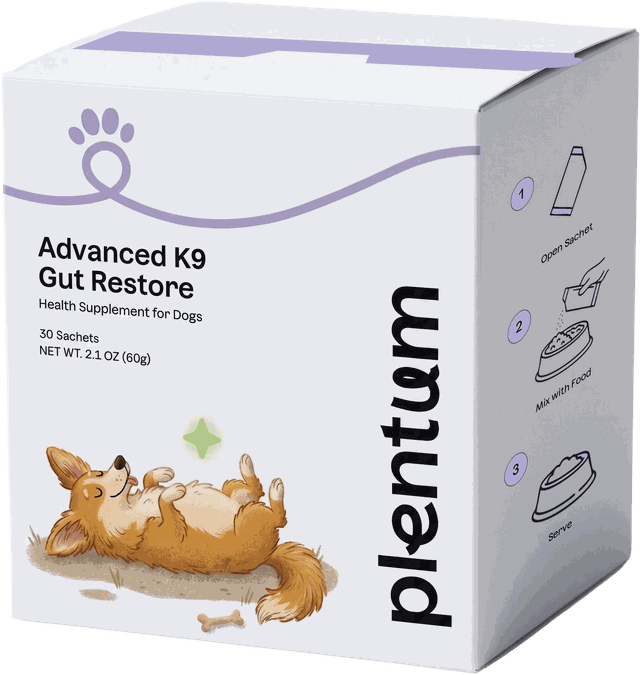
- Gut RestoreFits this guide It supports normal bowel function and healthy stool consistency, and helps maintain a balanced gut. From $1.50/day
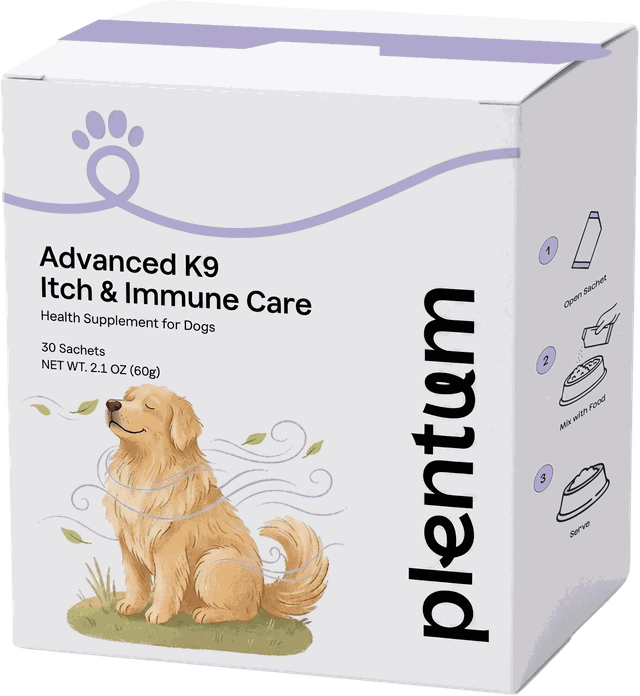
- Itch & Immune Care It supports a normal immune response to environmental and seasonal triggers, and helps maintain a healthy coat. From $1.50/day
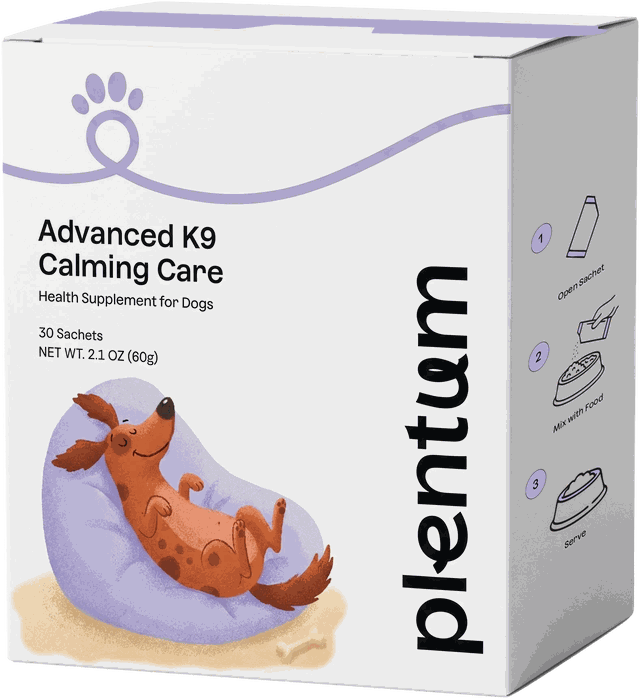
- Calming Care It supports a calm, relaxed demeanor during occasional situational stress such as storms, travel, or vet visits. From $1.50/day
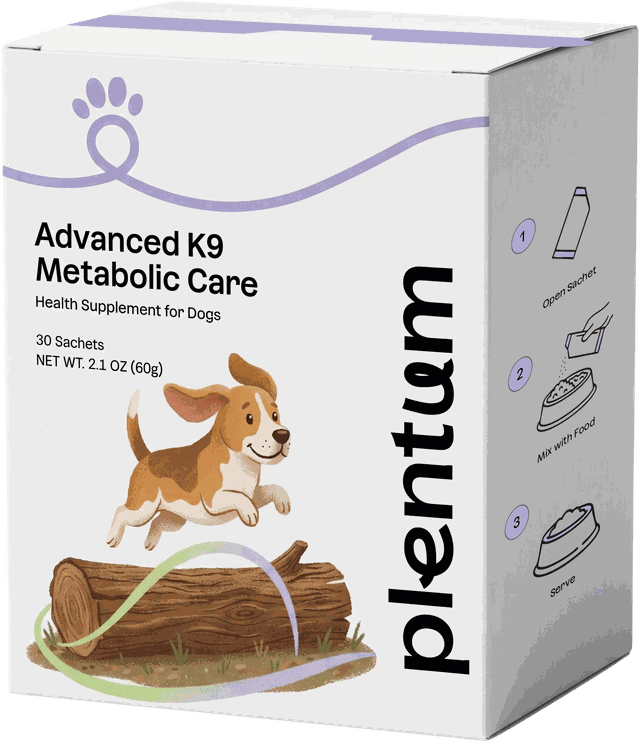
- Metabolic Care It supports healthy weight management alongside measured portions and daily exercise. From $1.50/day
- Microbiome Care It’s a daily powder with a postbiotic and prebiotic foundation, plus colostrum and omega-3, to support gut, oral, skin, and coat health. From $1.17/day