
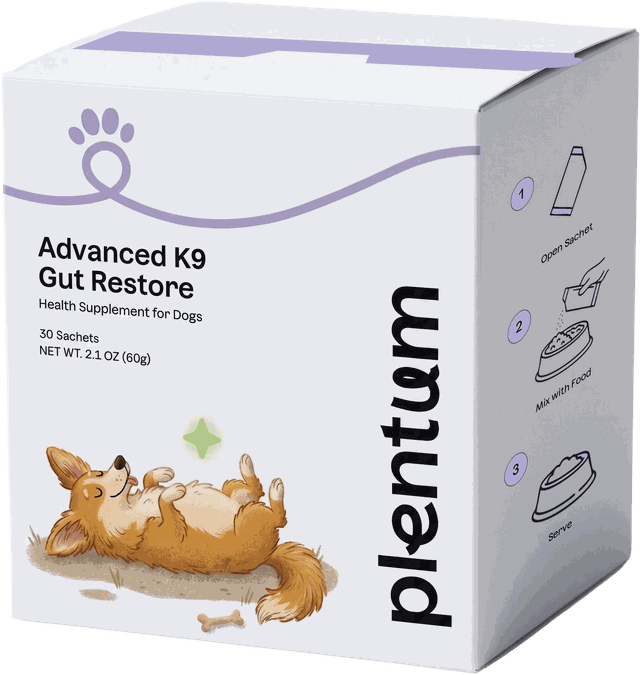

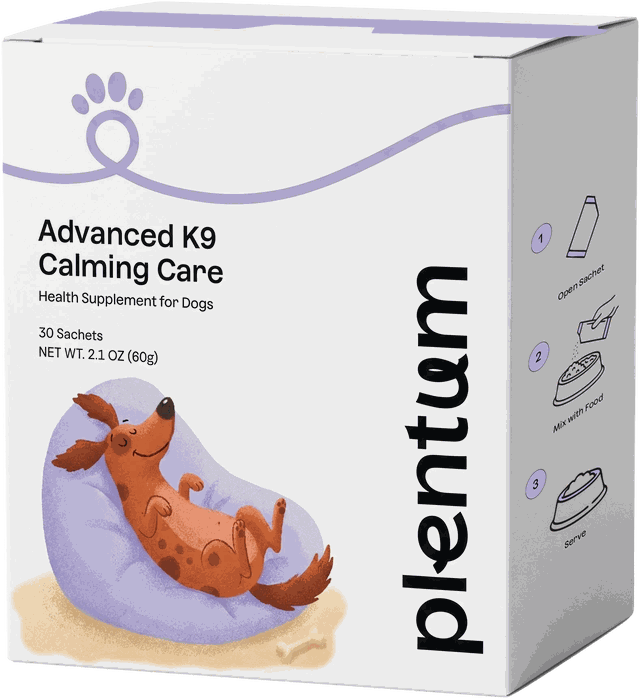

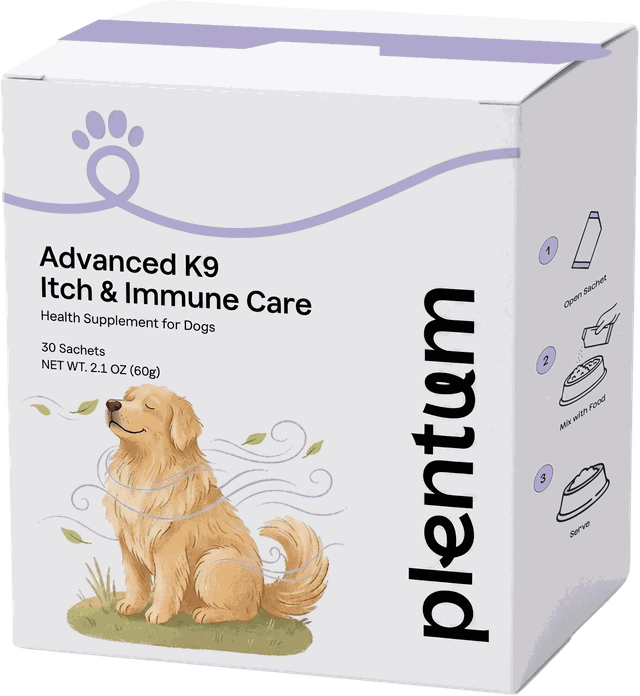

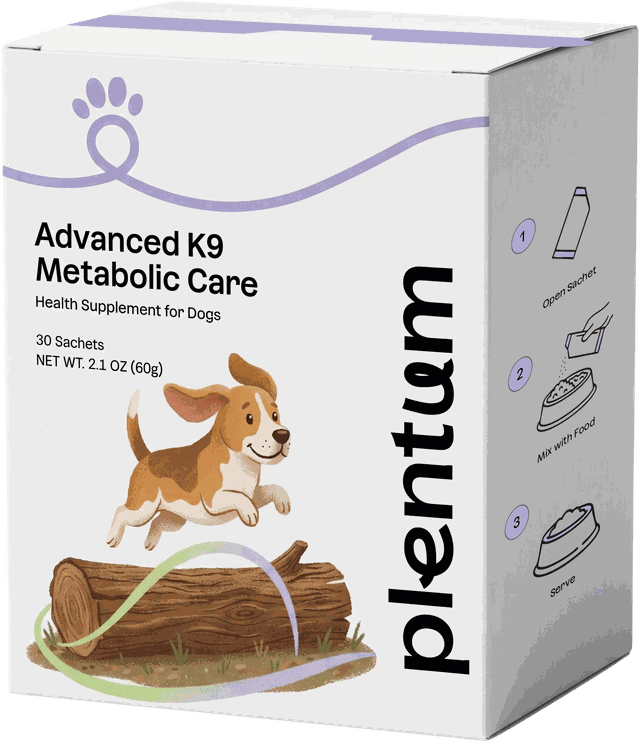

It's About Time We Return The Favor
Brand purpose and philosophy: Plentum was created to return what dogs give us by focusing on wellbeing, moving beyond symptom management and emphasizing science-backed nutrition that supports health at the...
Item added to your cart
Brand purpose and philosophy: Plentum was created to return what dogs give us by focusing on wellbeing, moving beyond symptom management and emphasizing science-backed nutrition that supports health at the...
Probiotics add bacteria. Synbiotics feed them too. Here's the science behind why the distinction matters for your dog's gut health.
The science on dog probiotics is complicated — not all products work equally. Here's the honest, evidence-based answer a vet friend would give you.
Not all dog gut supplements are the same. Learn the real difference between synbiotics and probiotics, what the science says, and which one your dog actually needs.
--- If you've Googled "probiotics for dogs," you've probably seen advice to just give your dog some plain yogurt.
Inflammatory bowel disease (IBD) in dogs is a frustrating, chronic condition that affects thousands of dogs — and it's frequently misdiagnosed or undert...
Verify Credibility: Always look for the NASC Quality Seal to ensure strict labeling and safety standards. Check the Science: "Vet-Formulated" is credible; "Vet-Approved" is a marketing myth. Look Beyond CFUs:...
For Most Healthy Dogs: No. If your dog eats a "complete and balanced" food, a general multivitamin is usually unnecessary and can even be harmful. When They Are Beneficial: Supplements serve their purpose best...
Understanding the canine oral microbiome: A dog’s mouth hosts a complex bacterial ecosystem where harmful species form biofilms on teeth, producing plaque and odor-causing compounds that contribute to persistent halitosis...
Science-backed natural supplementation: Veterinary research now supports natural dog supplements as evidence-based tools, showing plant-derived compounds can support canine health through clearly identified biological mechanisms rather than anecdotal or alternative...
Understanding joint degeneration: Joint problems in dogs develop when cartilage breakdown exceeds repair, reducing smooth movement and mobility, which explains why supplements like glucosamine and chondroitin are considered for joint...
Evidence-based nutritional support: Research shows certain supplements, including L-tryptophan, omega-3 fatty acids, CBD, and specific herbal blends, can support anxiety management in dogs by influencing neurotransmitters, inflammation pathways, and stress-related...
Evidence-based supplementation: Scientific research shows dog supplements work best when they address specific nutritional gaps, using clinically studied ingredients that support digestion, joint health, inflammation balance, and overall wellness rather...
Digestive warning signs: Persistent digestive issues like diarrhea, vomiting, or gas can signal gut imbalance in dogs, often reflecting disrupted digestion and nutrient absorption that may affect comfort, immunity, and...
Support for healthy aging: Omega-3 fatty acids, especially EPA and DHA, are essential for senior dogs because they support age-related changes involving joints, cognition, heart function, immunity, and overall metabolic...
What postbiotics are: Canine postbiotics are inactive microbial compounds produced during fermentation that support health by delivering beneficial metabolites, enzymes, and signaling molecules without introducing live bacteria into the gut....
Understanding supplementation needs: Food processing and individual canine needs can create nutritional gaps, making targeted vitamin and mineral supplementation helpful for supporting overall health when diets alone do not deliver...
Routine and hydration matter: Maintaining your dog’s regular feeding routine, providing familiar food, and ensuring consistent access to fresh water helps support digestive stability and reduces the risk of travel-related...
The canine gut microbiome: The canine gut microbiome is a complex ecosystem of microbes that supports digestion, immune function, mood regulation, and long-term health, making gut balance essential for a...
Purity without unnecessary additives: Powder supplements avoid many fillers, binders, colors, and sweeteners required in chews, allowing a cleaner formulation that focuses on delivering active ingredients without unnecessary processing or...
Understanding multi-pet dynamics: Multi-pet households require recognizing each pet’s unique personality, space needs, and behaviors, as respecting individual differences helps reduce stress, prevent conflict, and support long-term emotional well-being. Preventing...
Routine and hydration consistency: Maintaining your dog’s regular feeding routine and providing consistent access to fresh water while traveling helps support digestive stability and reduces the likelihood of stress-related gastrointestinal...
Disease mechanism explained: Periodontal disease develops when plaque and tartar accumulate around a dog’s teeth, leading to gum inflammation, tooth damage, and potential systemic effects involving the heart, kidneys, and...
Dog diarrhea is usually temporary — but knowing when to wait and when to call the vet matters. Here's how to read the signs, understand the gut connection, and support...
Persistent dog bad breath isn't always a dental problem. Learn how gut dysbiosis — bacterial imbalance in the digestive tract — can cause odors that dental care alone won't fix,...
Your dog scratching constantly might actually be a gut health problem in disguise. Here's the science behind the gut-skin connection — and how to fix it from the inside out.
Glucosamine and chondroitin only address symptoms. New research shows gut health directly influences joint inflammation in dogs — and addressing both changes everything.
Loose stools, gas, dull coat? Your dog's gut is talking. This complete guide covers the foods, habits, and supplements that actually improve canine gut health naturally.
Bad dog breath isn't just 'a dog thing.' Learn the real causes — dental, gut, and systemic — and what you can actually do about it, including how gut health...
If your dog has been dealing with loose stools, excessive gas, unpredictable appetite, or a coat that just doesn't look right — chances are, their gut i...
Your dog is slowing down a little.
Bad breath in dogs is so common that most pet owners assume it's just...
If you search "best probiotic for dogs," you'll find dozens of articles, almost all of them written to rank products that pay affiliate commissions.
There's a lot of noise in the dog supplement space right now.
Not all dog gut supplements are the same.
Searching for the best dog gut health supplement? This vet-reviewed guide covers the science, ingredients, and what separates synbiotics from basic probiotics.
Looking for the best calming supplement for dogs? New research on the gut-brain axis reveals why gut support may be the missing piece for anxious dogs.
The only complete guide to dog joint supplements in 2026 — glucosamine dosage by weight, chondroitin, MSM, UC-II collagen, and the research behind each ingredient.
The pet anxiety supplement market exploded — but most products don't deliver. This 2026 guide breaks down what actually works for dogs with anxiety, and what to avoid.
Most premium dog foods fall short on key nutrients due to processing. Here's what the science says about pet supplement benefits — and what your dog is actually missing.
An estimated 40% of US dogs experience anxiety. This guide covers the most effective natural methods to calm an anxious dog — from safe spaces to targeted supplements.
1 in 5 US dogs has arthritis — most go undiagnosed for years. Learn the 7 subtle signs your dog needs joint support before pain becomes visible.
--- If your dog is dealing with chronic diarrhea, excessive gas, or won't stop scratching, the root cause might not be what you think.
Watching your dog scratch, lick, and chew incessantly is painful for both of you.
As dogs age, their nutritional needs shift dramatically.
Patchy hair loss (alopecia) in dogs is more than a cosmetic concern — it often signals an underlying health issue that needs attention.
Science-First: Modern dog calming supplements focus on neurotransmitter precursors like L-Theanine and the "gut-brain axis" rather than just sedation. Multimodal Care: Supplements are most effective when combined with behavioral training...
Systemic Care: Dog dental powder works via saliva to disrupt oral biofilms. Low-Stress Solution: An easy, effective alternative for dogs that resist manual brushing. Science-Backed: Ingredients like postbiotics promote a...
Not All Omega-3s Are Equal: Dogs have a biological limitation that makes converting plant-based ALA (flaxseed) into active EPA and DHA inefficient, rendering marine sources superior for systemic health. Marine...
Identify the Cause: Allergies often stem from environmental triggers or gut health imbalances. Topical Relief: Colloidal oatmeal and apple cider vinegar rinses can calm itchy skin safely. Internal Support: Ingredients like Colostrum and...
Dental Wipes: Work well when you need to clean surfaces quickly, especially with young dogs. They remove debris through motion, yet only do so if someone helps guide them. Cooperation...
Seasonality is Key: If your dog itches year-round, suspect food. If it flares in spring or fall, it’s likely environmental. Check "Ears and Rears": Recurring ear infections and scooting are...
Watch the subtle cues: Excessive licking, "fly snapping," and mood changes can be silent indicators of gut distress. Check the output: Inconsistent stool quality or color changes often signal a...
Speed is Critical: Plaque begins calcifying into hard tartar within just 24 to 48 hours. Systemic Support: Daily supplements like Ascophyllum nodosum work through saliva to soften existing tartar. Complete...
The Hidden Link: 70-80% of your dog’s immune system lives in the gut; imbalances there (dysbiosis) often manifest as itchy, inflamed skin. Watch for Signals: Chronic ear infections, obsessive paw...
The Reality: 95% of homemade dog diets lack essential nutrients like calcium and zinc. The Fix: You must balance the Calcium-Phosphorus ratio and add specific micronutrients. The Upgrade: Functional toppers...
Root Cause: Chronic bad breath is rarely just "smelly food"; it often signals periodontal disease or gut imbalances. Proven Solutions: Daily brushing is the most effective defense, supported by enzymatic...
70% of Immunity: A massive portion of your dog's immune system resides in their gut (GALT), meaning gut health is directly linked to overall wellness. Strain Specificity Matters: Generic "probiotics"...
Identify: Check stool color; yellow often means indigestion, while black or bloody stool requires immediate veterinary attention. Manage: Modern care prioritizes postbiotics for dogs and fiber over automatic antibiotics for...
A dog longevity supplement must enhance healthspan through its ability to fight chronic inflammation which causes aging. The aging gut signature represents an unbalanced gut microbiome which produces inflammation that...
Poor gut health in dogs doesn't just cause stomach upset. It can also be the hidden root of skin problems, recurring infections, and even anxiety. The most common signs of...
The purpose of longevity support in dogs is to enhance their health span through cellular aging prevention rather than extending their lifespan. The main factors that lead to aging in...
Recognizing gut health signals: Digestive discomfort, skin and coat changes, low energy, and persistent bad breath can indicate an imbalanced gut or oral microbiome, showing how digestive health influences multiple...
The Answer is NO: For your dog's safety, you should never give them Imodium. The risks are severe and potentially fatal, and only a veterinarian can navigate them. The #1...
Digestive sources of gas: Excessive gas in dogs commonly results from swallowed air or bacterial fermentation in the colon, with smelly flatulence often indicating undigested food being broken down by...
Odor-based warning signs: Breath odors in dogs, such as fishy, metallic, fecal, or ammonia-like smells, often signal specific oral or digestive imbalances that should not be dismissed as normal dog...
Evidence-based allergy support: Clinical research shows dog supplements, particularly omega-3 fatty acids and specific probiotics, can support reduced allergy-related inflammation and itching when ingredient quality, dosage, and allergy severity are...
Canine aging and cellular health: Current research shows canine aging shares key biological mechanisms with humans, and targeted supplements can support cellular energy, cognitive function, and age-related biomarkers associated with...
Puppy foundation needs: During early growth, puppies benefit from targeted nutritional support such as DHA, probiotics, and balanced minerals to support brain development, gut microbiome establishment, and proper bone formation....
Understanding dry paw causes: Dry dog paws often result from environmental stressors, allergies, or barrier damage, making paw pads vulnerable to cracking, discomfort, and infection when their natural protective structure...
Foundations of balanced canine nutrition: Dogs require balanced intake of protein, fats, carbohydrates, vitamins, minerals, and water, with needs varying by life stage, since essential amino acids and fatty acids...
Fiber-based digestive support: Natural whole foods like pumpkin and carrots provide soluble and insoluble fiber that support stool consistency and regular bowel movements in dogs experiencing diarrhea or constipation. Soothing...
Immune-driven allergy origins: Dog allergies often stem from immune overreactions linked to gut imbalance, where disrupted microbiomes can contribute to itching, skin inflammation, and discomfort through ongoing inflammatory responses. Gut–skin...
Identify the Signs: The main sign of constipation is straining without producing stool, but you must rule out urinary blockages first. Immediate Relief: Plain canned pumpkin and proper hydration are safe, vet-approved...
It’s Usually Normal: Research indicates that 68% of dogs regularly consume grass because their ancestors used to scavenge for food instead of suffering from illness. The Vomit Myth: Fewer than...
Evolutionary instinct at work: Dogs circle before lying down due to inherited survival instincts from wild ancestors, helping them prepare safe, familiar resting areas that provide comfort, routine, and psychological...
Tail wagging is emotional communication: A wagging tail does not always signal happiness, as dogs use tail direction, height, speed, and stiffness together to communicate emotions like excitement, stress, uncertainty,...
Normal grooming behavior: Occasional paw licking is a normal self-grooming behavior in dogs, helping remove dirt, debris, and outdoor residues after walks, and does not usually indicate discomfort or underlying...
Plain yogurt is generally safe for dogs in small amounts, but its probiotic benefits are limited — the strains aren't native to the canine gut and dairy sensitivity is common....
Daily is better than occasional when it comes to gut support for dogs. Learn why consistency matters for the microbiome, what to expect week by week, and how to adjust...
A complete guide to supplements for dogs 7+ years old — starting with gut health as the foundation, plus joints, omega-3s, and what to skip.
Senior dogs have different nutritional needs than puppies — and the signs they need extra support aren't always obvious. Here's what to watch for and what actually works.
Not all dog gut supplements deliver results. We break down what to look for, what to avoid, and why synbiotics outperform standalone probiotics for dogs.
Your senior dog is slowing down — but there's a lot you can do. This vet-aligned guide cuts through the supplement noise to show what senior dogs actually need for...
Most 'best probiotic' guides are written to sell affiliate commissions. This vet-backed guide applies real criteria — strains, CFU counts, and evidence — to find what actually works.
The Complete Guide for Pet Parents Here's something that surprises a lot of dog owners: the humble egg is one of the most nutritionally complete foods o...
FortiFlora is the most vet-recommended probiotic for dogs, but is a single-strain formula still the best approach? Compare what FortiFlora offers against modern multi-strain synbiotic alternatives that combine probiotics, prebiotics,...
A complete guide to safe and toxic foods for dogs — fruits, vegetables, proteins, dairy, grains, and the never-feed list. Bookmark this for every feeding question.
Yes, dogs can eat fresh or frozen peas — low calorie, high in fiber, vitamins, and plant protein. Learn safe serving sizes, which types of peas are best, and the...
Cooked salmon is one of the best foods for dogs — omega-3 rich and packed with protein. Raw salmon can carry a fatal parasite. Learn safe preparation, bone removal, and...
Yes, dogs can eat broccoli in small amounts — nutritious but contains compounds that irritate GI in large quantities. Learn safe portions, raw vs cooked differences, and gut health benefits.
Plain baked bread is not toxic to dogs but provides little nutrition. Raw bread dough is dangerous — it ferments in the stomach causing bloat and alcohol poisoning. Learn which...
Yes, cooked sweet potatoes are excellent for dogs — rich in fiber, beta-carotene, and vitamins, and a natural prebiotic. Always serve cooked, never raw. Learn safe portions and preparation tips.
Caution: the avocado pit is a serious obstruction hazard, the skin contains persin toxin, and high fat content risks pancreatitis. Learn what parts are actually safe and what to avoid.
Yes, carrots are excellent for dogs — raw or cooked. Low in calories and high in beta-carotene, raw carrots also help clean teeth. Learn serving sizes, preparation tips, and gut...
NO. Chocolate contains theobromine and caffeine, which are toxic to dogs. Dark and baking chocolate are most dangerous. Learn toxicity by type, symptoms, and what to do if your dog...
NO. Grapes and raisins are toxic to dogs and can cause acute kidney failure. There is no safe amount. If your dog ate grapes or raisins, contact your vet or...
Yes, dogs can eat apple flesh — it's nutritious and great for teeth. But apple seeds contain cyanide compounds and the core is a choking hazard. Learn how to prepare...
Yes, rice is one of the safest carbohydrates for dogs. White rice is the key ingredient in the bland diet for upset stomachs. Learn white vs brown rice differences and...
Dogs can eat watermelon flesh, but seeds and rind must be removed. Learn the hydration benefits, safe portions by dog size, and exactly which parts of watermelon to avoid.
Fresh strawberries are safe for dogs in moderation. They're low in calories and rich in antioxidants. Learn safe serving sizes by dog weight and which strawberry products to avoid.
Most peanut butter is safe for dogs, but brands with xylitol are toxic and potentially fatal. Learn which brands to avoid, how to read labels, and safe serving amounts by...
Plain air-popped popcorn is safe for dogs in small amounts. Buttered, salted, or flavored popcorn is not. Learn safe portions, what toppings to avoid, and the unpopped kernel risk.
Dogs can eat cooked, plain shrimp with shells removed. Learn how to prepare shrimp safely for dogs, appropriate serving sizes, and the risks of raw or seasoned shrimp.
Ripe tomatoes are safe for dogs in small amounts; green tomatoes and tomato plant leaves are not. Learn which parts contain tomatine, safe portions, and warning signs to watch for.
Yes, most dogs can eat cheese in small amounts. Learn which cheeses are safe, how much to give by size, which types to avoid, and signs of lactose intolerance in...
Key Takeaways: 70% of dog owners report fresher breath within 14 days of starting a microbiome supplement 62% report firmer, more consistent stools with...
Last Updated: February 2026 · Reviewed by Vets Verified Key Takeaways: Most soft chew supplements contain up to 60–70% filler ingredients — binders, art...
⚡ Quick Answer: Best Dog Probiotics 2026 Best overall: Multi-strain synbiotic with ≥10 billion CFUs at time of use, prebiotic included, individually sea...
When it comes to dog probiotics, Zesty Paws is one of the biggest names in the game.
If you've been researching probiotics for your dog, two names likely keep coming up: Plentum and Purina Pro Plan FortiFlora .
Everything you need to know about probiotics for dogs in 2026 — strains, dosing, timing, side effects, and why most products underdeliver.
Dental chews aren't fixing your dog's bad breath because the problem isn't just in the mouth. Learn the real causes and science-backed remedies that work.
Last Updated: February 2026 Key Takeaways: A peer-reviewed double-blind clinical trial (PMC12153626) found that COHP — Canine Oral Health Postbiotic — r...
Key Takeaways: Plentum is the only dog probiotic in 2026 to combine probiotics, prebiotics, postbiotics, digestive enzymes, and COHP oral health technol...
Last Updated: February 2026 A dog refusing food triggers immediate worry — and rightly so.
Last Updated: February 2026 Finding mucus in your dog's stool can be alarming, but a small amount is actually normal.
Last Updated: February 2026 Dog food toppers have exploded in popularity — and for good reason.
Last Updated: February 2026 Waking up to a puddle of yellow foam is alarming — but in most cases, a dog vomiting yellow bile has a straightforward expla...
Last Updated: February 2026 Soft, mushy, or runny stool is one of the most common reasons dog owners visit the vet — and one of the easiest to fix at...
Last Updated: February 2026 Dog breath that smells like fish is most commonly caused by dental disease or anal gland issues — both treatable conditions ...
Last Updated: February 2026 Probiotics help dogs with diarrhea by restoring gut microbial balance, strengthening the intestinal barrier, and reducing bo...
Last Updated: February 2026 Excessive dog gas is most often caused by poor-quality food, eating too fast, food intolerances, or an imbalanced gut microb...
Last Updated: February 2026 Dog yeast infections are caused by an overgrowth of Malassezia pachydermatis , a fungus naturally present on your dog's skin.
Last Updated: February 2026 The best dog food for a sensitive stomach uses limited ingredients, a single high-quality protein source, and avoids common ...
Last Updated: February 2026 To boost your dog's immune system, start with the gut — because roughly 70% of canine immune cells reside in the gastrointes...
For your dog: ✅ Last Updated: February 2026 — This article has been reviewed and updated by the Plentum Science Team for accuracy.
Last Updated: February 2026 Probiotics are live beneficial bacteria you add to your dog's gut; prebiotics are the non-digestible fibres that feed those ...
Why rotational feeding matters: Rotational feeding supports microbiome diversity by exposing dogs to varied proteins, fibers, and nutrients, helping build a resilient digestive system while reducing long-term risks of food...
Why puppies have sensitive stomachs: Puppies often have sensitive stomachs because their gut microbiome and digestive enzymes are still developing, making early life especially vulnerable to diet changes, stress, and...