





Seasonal allergies tend to follow pollen and the calendar.
Food sensitivities can cause problems at any time of year.
Seasonal allergies follow pollen, grass and the calendar, while food sensitivities can flare any month of the year.
Keep a week of dated notes on itching, meals, and walks.
Your vet can use the pattern when considering a supervised food trial.
- Seasonal allergies follow pollen, grass and the calendar. Food sensitivities can show up in any month.
- A week of dated notes shows patterns faster than guessing.
- Itchy paws, belly, armpits and groin are a common pattern with environmental allergies.
How can you tell seasonal allergies from food sensitivities?
Allergies can look like one problem with one clear trigger.
In practice the seasons and the food bowl both play a part, and they often overlap.
Owners often guess the wrong trigger, and that's one reason a vet's help can matter.
That's no knock on you. Vets struggle with this one too.
The table below sorts the clues.
Each row shows one type of clue, what to track and when to bring in your vet.
| Context clue | What to track | When to involve your vet |
|---|---|---|
| Seasonal pattern | Pollen, grass, dust, grooming products, and outdoor timing can shift symptoms. | If itching is intense, recurrent, or causing skin damage. |
| Food change | New proteins, treats, chews, toppers, and table scraps can confuse the timeline. | Before starting elimination diets or multiple supplement changes. |
| Routine signal | Bathing, brushing, bedding, walks, and stress can all affect what you observe. | When signs persist, worsen, or involve ears, paws, face, or breathing. |
Can environmental allergies affect your dog year-round?
Environmental triggers move around.
A 2021 PNAS analysis found North American pollen seasons have shifted earlier since 1990.
They have also grown about 20 days longer.
A spring allergy can now run into fall, which makes the trigger harder to pin down.
Seasonal allergies in dogs rarely go away for good, but that doesn't mean the situation is hopeless.
Environmental allergies usually last for life, because there's no way to switch your dog's reaction to pollen off for good.
They are very manageable, though.
A care plan can combine rinsing after walks, regular baths, and a dated symptom log.
Follow your vet’s recommendations for flare-ups. Aim for fewer, milder flares.
Your vet can adjust the plan as your dog’s pattern changes.
These are the common signs of environmental allergies in dogs:
- Flares tied to specific months, usually spring (tree pollen) or fall (ragweed, mold).
- Itchy paws, belly, armpits and groin, the spots that touch the ground or have less fur cover.
- Worse after walks or after rolling in grass.
- Ear infections that come back with the seasons rather than all year.
- Redness between the toes. On white paws, look for rusty saliva stains.

Seasonal or food: three quick clues
- TimingSeasonal flares follow the months, while food flares can come any time
- Where it itchesPaws, belly, armpits, and groin are common with pollen
- What changedA new protein, treat or chew points toward the food bowl
Food sensitivities: the year-round sleeper
Food sensitivities don't follow the calendar.
If your dog's scratching hasn't changed since January, you can probably rule out the oak tree out back.
A 2016 meta-analysis in BMC Veterinary Research ranked the most common offenders:
- Beef is still the most reported trigger, even though it's been in most kibbles for decades.
- Dairy: many adult dogs lack the enzyme needed to break it down properly.
- Chicken is overused in commercial food, which is one reason sensitivity rates are climbing.
- Wheat and soy are less common than the internet claims, but real for some dogs.
- Eggs and lamb are rarer, but they show up in elimination-diet retests.

Our allergy and intolerance guide explains how the two differ.
The "ears and rears" rule
Start your check at the ears and the rear end.
Ear infections that return with the seasons, and itching around the groin, are patterns worth noting.
Write down which side is affected and how often it flares.
Those details help your vet decide whether to look at seasonal triggers or food first.
Hair tests and at-home kits: skip them
Hair tests and at-home kits don't give useful answers. These methods do:
- Elimination diet (8-12 weeks): the gold standard. Use one novel protein and one carbohydrate, with no treats, no table scraps and no flavored medicines. If symptoms fade, reintroduce foods one at a time and watch for a relapse.
- Serum IgE testing (blood): useful for environmental allergens, weak for food. False positives are common.
- Intradermal skin testing: done by a veterinary dermatologist, requires sedation and is best for environmental allergies.
Where supplements fit
- Postbiotics are a newer category. Researchers are studying them through the gut-skin axis, and the dog research is still early.
- Quercetin is sometimes nicknamed "nature's Benadryl". The evidence is mild.
Omega-3s and probiotics are different categories, and none of these replaces a food trial.
For a closer look at one option, read Can a Synbiotic Help Dogs with Seasonal Allergies?
Supplements never replace a food trial, a vet exam or a clear record of symptoms.
For some dogs they're one extra layer that works best alongside the steps in this article.
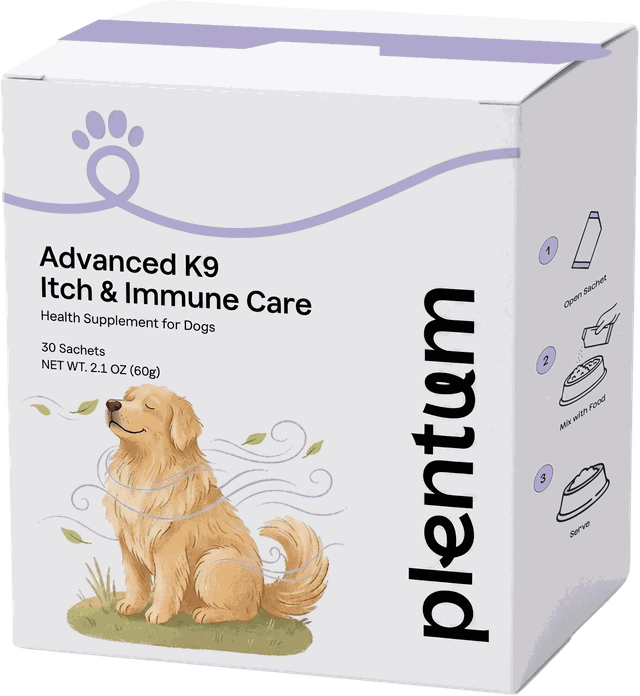
Advanced K9 Itch & Immune Care supports a normal immune response to seasonal triggers.
It doesn't replace your vet's advice.
For a wider view of options, see the dog allergy supplement guide.
Ask your vet if your dog has a health condition or takes medication.
Our seasonal skin support page explains Itch & Immune Care’s support for skin and coat.
The 4-week investigation plan
Week 1: track everything. Use your phone's notes app.
Record the date, the time, where the scratching happens, what your dog ate, and the weather.
You'll often see a pattern by day 5. Week 2: look back.
Did this exact scratch start last year too? If yes, the trigger is probably environmental.
If not, keep digging. Week 3: change one thing.
Rinse your dog’s paws and belly after walks.
Record any new treats and changes in itching to help spot patterns.
Week 4: decide with your vet.
Bring your notes to the appointment, because they show whether the itching follows the season or the food bowl.
Start tracking tonight
If your dog is scratching right now, open your notes app tonight.
A week of notes can help your vet identify a pattern.
If food is suspected, a supervised elimination trial can help narrow the cause.
A food trial, allergy testing or a daily supplement
These tools answer different questions, so many itchy dogs end up using more than one.
| Option | How it works | Best fit |
|---|---|---|
| Elimination diet trial | One new protein and carbohydrate for 8 to 12 weeks | Itching that doesn't follow the seasons |
| Vet allergy testing | Blood or intradermal tests read by your vet | Planning care for pollen, dust or mold triggers |
| Daily skin supplement | Supports a normal immune response to seasonal triggers | Dogs with a seasonal itch pattern and a vet plan |
How do vets find the cause and manage an allergy?
No single test can confirm an airborne allergy.
After other causes are excluded, your vet relies on age, breed, signs, and history.
Merck says allergy testing can identify the allergens involved.
It cannot diagnose the allergy by itself.
For food, the AKC calls an elimination diet the only reliable way to pinpoint an allergen.
Some vets use 12 weeks so the trial spans two seasons.
Your vet selects the trial diet and plans any food challenge.
Treats, flavored medicines, and supplements also need review before the trial begins.
Merck's plan for allergic dogs has four parts.
- Avoid the allergens.
- Control the itch.
- Treat secondary infections.
- Allergen-specific immunotherapy.
Merck says allergy shots improve the condition without ending the disease.
A supplement does not replace any of these steps.
Sources: Merck Veterinary Manual and AKC.
Frequently asked questions
How can I tell seasonal allergies from food sensitivities in dogs?
Seasonal allergies often flare in certain months. Food reactions can occur year-round, so log meals and itch.
Are hair tests or at-home allergy kits reliable for dogs?
Hair and home allergy kits don't reliably identify food allergies. Ask your vet about an elimination diet.
Are gastro allergy tests for dogs worth it, or hit or miss?
Hair and saliva kits are unreliable. A vet-led elimination diet is used to investigate food allergies.
How long should an elimination diet run?
An elimination diet usually takes 8 to 12 weeks. Your vet guides the strict diet and food reintroduction.
Can supplements replace a vet visit for itchy skin?
Supplements cannot replace an exam for itchy skin. Your vet needs to find the cause.
Sources
- AAFCO: Selecting the Right Pet Food
- WSAVA Global Nutrition Guidelines
- Hensel P, et al. Canine atopic dermatitis: detailed guidelines for diagnosis and allergen identification. BMC Vet Res. 2015. PubMed 26260508
- Mueller RS, et al. Critically appraised topic on adverse food reactions of companion animals (2): common food allergen sources in dogs and cats. BMC Vet Res. 2016. PubMed 26753610
- Olivry T, et al. Critically appraised topic on adverse food reactions of companion animals (1): duration of elimination diets. BMC Vet Res. 2015. PubMed 26310322
Five supplements, each aimed at a different need
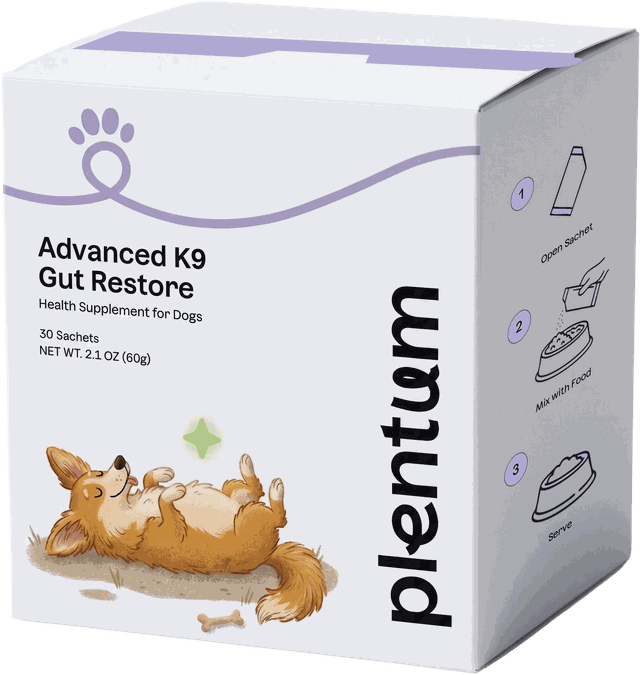
- Gut Restore It supports normal bowel function and healthy stool consistency, and helps maintain a balanced gut. From $1.50/day
- Itch & Immune CareFits this guide It supports a normal immune response to environmental and seasonal triggers, and helps maintain a healthy coat. From $1.50/day
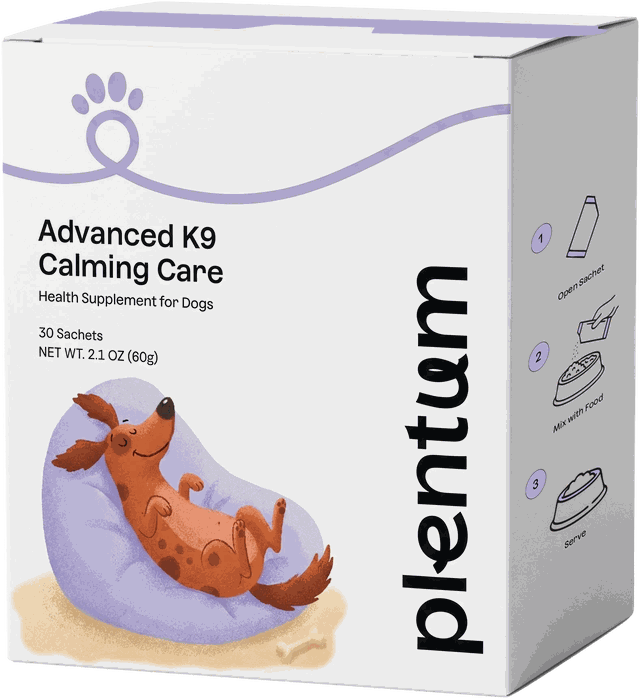
- Calming Care It supports a calm, relaxed demeanor during occasional situational stress such as storms, travel, or vet visits. From $1.50/day
- Metabolic Care It supports healthy weight management alongside measured portions and daily exercise. From $1.50/day
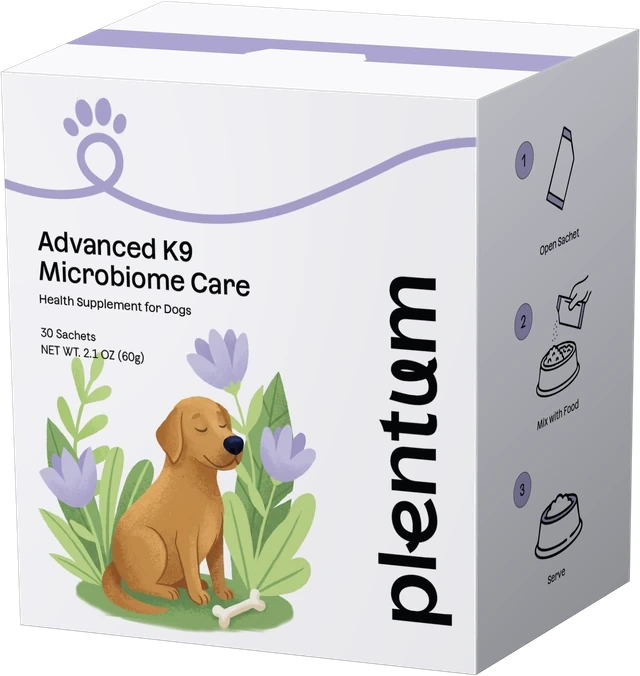
- Microbiome Care It’s a daily powder with a postbiotic and prebiotic foundation, plus colostrum and omega-3, to support gut, oral, skin, and coat health. From $1.17/day