






The science of dog oral health: beyond brushing
Why dog oral health is more than just clean teeth
This number surprises most dog parents: by age 3, the majority of dogs show some signs of gum disease. That makes dental disease one of the most common, and most overlooked, health conditions in dogs.
Oral health is about more than cavities and white teeth. Your dog's mouth is directly connected to their overall systemic health. Chronic oral infections allow bacteria to enter the bloodstream, where they can travel to and damage major organs. Veterinary research has linked untreated gum disease to heart valve infections (endocarditis), kidney disease, liver inflammation, and even increased risk of diabetes complications.
The problem is that most dog parents approach oral health the same way they did 20 years ago — occasional brushing, a dental chew here and there, and hoping for the best at the annual checkup. While these are good habits, they only address the surface level of the problem.
What's missing from the conversation is the oral microbiome — the complex community of bacteria that lives in your dog's mouth and determines whether that environment stays healthy or spirals into disease. Understanding and supporting this microbial ecosystem is the key to oral health that goes far beyond clean-looking teeth.
Understanding the dog oral microbiome
Your dog's mouth is home to over 600 species of bacteria — a diverse microbial community collectively known as the oral microbiome. Just like the gut microbiome (which has gotten far more attention), the oral microbiome exists in a delicate balance between beneficial and potentially harmful organisms.
In a healthy mouth, beneficial bacteria dominate the ecosystem. They form protective biofilms on teeth and gum tissue, produce antimicrobial compounds that suppress pathogens, and help regulate the local immune response. This balanced state keeps plaque formation in check, prevents gum inflammation, and maintains the mouth's natural defenses against infection.
When this balance is disrupted, a state called dysbiosis, pathogenic bacteria gain the upper hand. They form destructive biofilms (plaque) that mineralize into tartar, produce volatile sulfur compounds (the source of bad breath), and trigger inflammatory cascades that damage gum tissue and eventually erode the bone supporting your dog's teeth. This is how gum disease develops — not from a single "bad" bacteria, but from a systemic collapse of microbial balance.
What makes this even more significant is the oral-gut axis — the direct connection between the oral and gut microbiomes. Dogs constantly swallow oral bacteria, and research shows that oral dysbiosis can seed gut dysbiosis, creating a cycle of inflammation that affects the entire body. This means that oral health and gut health aren't separate systems: they're deeply interconnected.
What causes bad breath in dogs?
The symptom that brings most dog parents here: bad dog breath is not normal. While "dog breath" has become a colloquial term for something unpleasant, persistent halitosis is a clinical sign that something is wrong — not just an inevitable part of dog ownership.
Bacterial imbalance
The primary cause of chronic bad breath is an overgrowth of anaerobic bacteria in the mouth. These bacteria thrive in low-oxygen environments — under the gumline, in periodontal pockets, and within thick plaque biofilms. As they metabolize proteins, they produce volatile sulfur compounds (VSCs) like hydrogen sulfide and methyl mercaptan, which are responsible for the characteristic foul odor. The worse the microbial imbalance, the worse the breath.
Plaque and tartar buildup
Plaque is a soft, sticky biofilm that forms on teeth within hours of eating. If not removed, it mineralizes into tartar (calculus) within 24-72 hours. Tartar creates a rough surface that harbors even more bacteria and is impossible to remove with brushing alone — professional dental cleaning is required. The buildup cycle accelerates: more tartar means more bacterial colonization, which means faster tartar formation.
Diet-related causes
Certain diets contribute to oral health problems more than others. Highly processed, starch-heavy diets leave more residue on teeth and feed the bacteria that produce plaque. On the other hand, diets that include appropriate mechanical abrasion (like raw meaty bones or dental-specific kibble shapes) can help reduce plaque accumulation. However, diet alone cannot prevent gum disease — it's one factor among many.
Underlying health conditions
Sometimes bad breath signals something beyond oral disease. Kidney disease can cause breath that smells like ammonia or urine. Diabetic ketoacidosis produces a sweet, fruity odor. Liver disease may cause breath with a musty smell. And gastrointestinal issues can produce a variety of unusual odors.
What different breath smells can indicate
Understanding breath odors can help you identify potential issues early. A persistent fishy smell often indicates gum disease or anal gland issues. A metallic smell may suggest oral bleeding or kidney problems. Ammonia-like breath is associated with kidney disease. Sweet or fruity breath can signal diabetes. And a generally foul or "rotten" smell usually points to advanced bacterial overgrowth or an oral infection that needs veterinary attention.
Traditional vs. microbiome-based oral care
For decades, canine oral care has relied on mechanical approaches — physically removing plaque and bacteria from tooth surfaces. Brushing, dental chews, water additives, and professional cleanings all fall into this category. These methods work at the surface level: they remove existing plaque and temporarily reduce bacterial counts. The limitation is that they don't change the underlying microbial composition. Within hours of brushing, the same bacterial community begins reforming on tooth surfaces.
Microbiome-based oral care takes a fundamentally different approach. Instead of trying to kill or remove bacteria (most of which are beneficial), it works to rebalance the oral ecosystem so that beneficial species maintain dominance. This is done through postbiotics — metabolic byproducts of probiotic fermentation that create environmental conditions favoring beneficial bacteria and suppressing pathogens.
The two approaches complement each other. Mechanical cleaning removes existing plaque and tartar buildup, while microbiome support supports a balanced mouth so plaque has less room to build up. Using both together covers two sides of oral care: the plaque itself and the microbial balance behind it.
Think of it this way: brushing is like weeding a garden, while microbiome support is like improving the soil so fewer weeds grow. You need both strategies for the healthiest result.
Postbiotics and oral health: the emerging science
Postbiotics are the metabolic byproducts produced when beneficial bacteria (probiotics) ferment dietary fibers and other substrates. Postbiotics are non-living compounds. Because they do not require colonization to act, non-living postbiotics can be stirred into food to contact the mouth directly at mealtime while live probiotics support the gut.
An oral-health postbiotic represents an emerging area of this science. It may work through several mechanisms: producing antimicrobial peptides that may help suppress pathogenic oral bacteria while supporting beneficial species, supporting a balanced local immune response, and helping shift the oral environment to be less hospitable for the anaerobic bacteria associated with halitosis and gum disease.
What distinguishes postbiotics from traditional probiotics for oral health is where they act. Live probiotics are formulated to deliver beneficial microorganisms that colonize the digestive tract, whereas oral postbiotics supply pre-formed metabolites directly in the mouth. Postbiotics deliver their bioactive compounds directly, regardless of colonization. Published research on an oral-health postbiotic in dogs: a 14-day randomized, placebo-controlled trial (Sordillo et al. 2025, Animals; funded in part by the ingredient developer): reported measurable reductions in volatile sulfur compounds (the chemicals associated with bad breath) versus placebo.
This doesn't mean probiotics are irrelevant — they remain important for gut health and the gut-immune connection. In an all-in-one routine, pairing an oral-health postbiotic with gut-focused probiotics and prebiotics allows each ingredient class to serve its intended role alongside regular tooth brushing.
A complete approach to dog oral health
Effective oral care requires a multi-layered strategy. No single intervention is sufficient on its own — the most successful approach combines professional care, daily home maintenance, dietary support, and microbiome management.
Step 1: Regular dental checkups. Your veterinarian should examine your dog's mouth at least annually — more frequently for breeds prone to dental disease (small breeds, brachycephalic breeds, and Greyhounds are particularly susceptible). Professional dental cleanings under anesthesia allow thorough scaling below the gumline, where the most damaging bacteria reside. Don't wait for visible tartar or bad breath: early intervention prevents far more expensive and invasive treatments later.
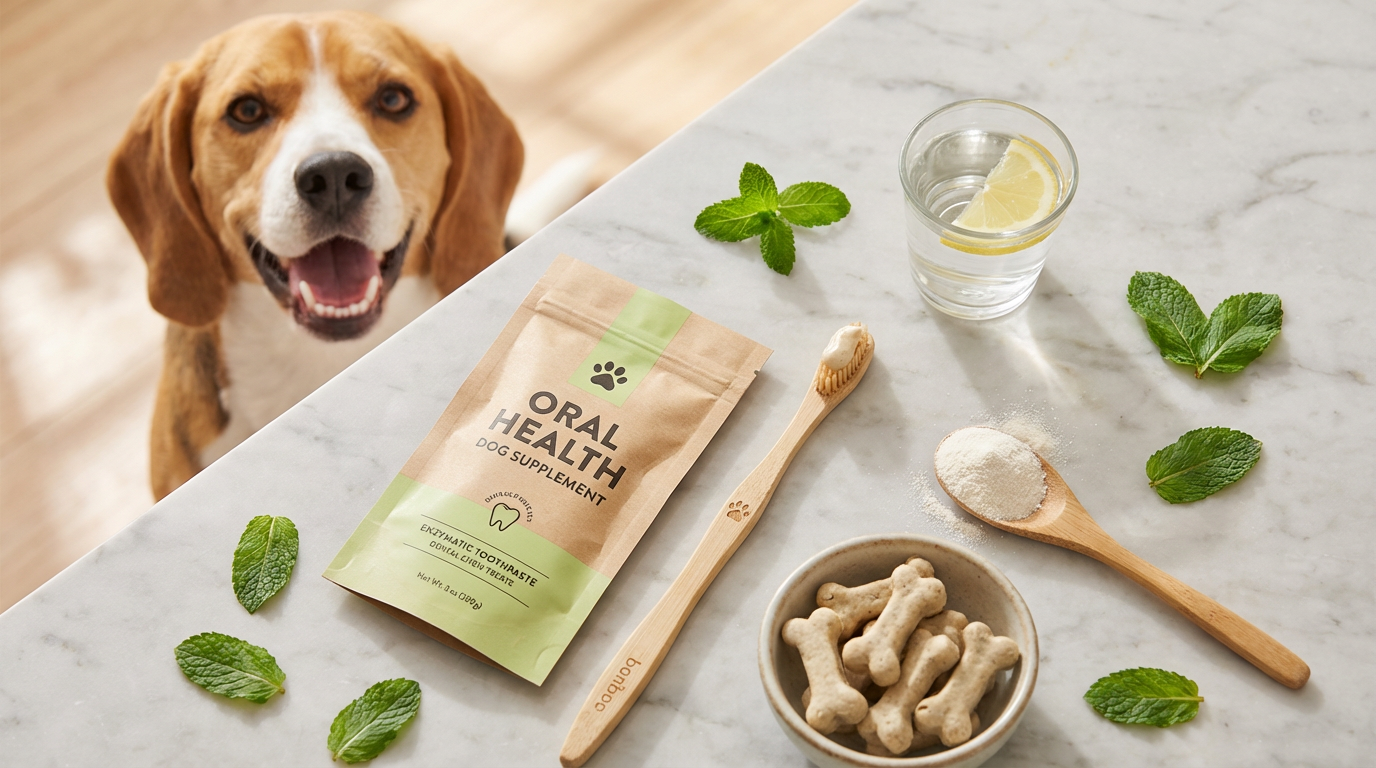
Step 2: Establish a home brushing routine. Daily brushing with an enzymatic toothpaste formulated for dogs is the gold standard for at-home care. Use a soft-bristled brush angled at 45 degrees to the gumline, focusing on the outer surfaces of the back teeth where plaque accumulates most. If daily brushing isn't feasible, aim for a minimum of 3-4 times per week. Even imperfect brushing significantly reduces plaque accumulation compared to no brushing at all.
Step 3: Support through diet and dental chews. Choose dental chews that carry the VOHC (Veterinary Oral Health Council) seal of acceptance — this means they've been proven to reduce plaque or tartar in controlled studies. Avoid extremely hard chews (antlers, bones, hooves) that can fracture teeth. The right diet also matters: some kibble formulations are specifically designed to provide mechanical abrasion during chewing.
Step 4: Microbiome support through postbiotic supplementation. Daily postbiotic supplementation may help support a more balanced oral microbiome — one factor among several in oral health. A supplement containing oral-specific postbiotics works alongside your brushing and dental chew routine to maintain a balanced oral microbiome, reducing the rate at which plaque reforms and supporting the mouth's natural defenses. This is where supplementation fills the gap that mechanical cleaning alone cannot close.
Step 5: Monitor for warning signs. Stay alert for symptoms that indicate oral health issues: persistent bad breath, red or swollen gums, bleeding when chewing, reluctance to eat hard food, pawing at the mouth, excessive drooling, loose or missing teeth, and facial swelling. Early detection of gum disease dramatically improves treatment outcomes and prevents irreversible bone loss.
Frequently asked questions
How often should I brush my dog's teeth?
Daily brushing is ideal, as plaque begins forming within hours after eating and can mineralize into tartar within 24-72 hours. If daily brushing isn't realistic for your schedule, aim for at least 3-4 times per week — research shows this frequency provides meaningful plaque reduction. Even 2-3 times weekly is significantly better than not brushing at all. Use a dog-specific enzymatic toothpaste (never human toothpaste, which contains fluoride and xylitol: both toxic to dogs) and a soft-bristled brush or finger brush.
Can supplements really improve dog breath?
It can, when the supplement supports the oral microbiome rather than just masking the odor. Bad breath is primarily caused by volatile sulfur compounds produced by pathogenic oral bacteria. Supplements containing oral-specific postbiotics work by rebalancing the oral microbiome — suppressing the bacteria that produce these compounds while supporting beneficial species. A 14-day randomized, placebo-controlled trial reported measurable reductions in VSC levels versus placebo (Sordillo et al. 2025). However, supplements won't resolve bad breath caused by advanced gum disease, tooth decay, or systemic health conditions: those require veterinary treatment.
What's the difference between probiotics and postbiotics for oral health?
Probiotics are live beneficial bacteria that work by colonizing the gut (or theoretically the mouth) to restore microbial balance. Postbiotics are the metabolic byproducts these bacteria produce — including antimicrobial peptides, short-chain fatty acids, and bioactive compounds. In oral care routines, postbiotics supply pre-formed fermentation compounds directly in the mouth at mealtime without needing to colonize oral surfaces. Postbiotics can also be measured by milligram weight into a daily powder and stored according to standard package directions. For gut health, probiotics and postbiotics work together synergistically, which is why all-in-one supplements include both.
Is bad dog breath normal?
No — persistent bad breath in dogs is not normal and shouldn't be dismissed as "just dog breath." While a dog's breath may have a mild odor after eating, chronic halitosis indicates an underlying issue. The most common cause is gum disease driven by oral microbial imbalance. Other causes include gastrointestinal issues, kidney disease, liver disease, and diabetes. Early intervention can prevent the progression of oral disease and identify any systemic conditions that may be contributing to the problem.
At what age should I start caring for my dog's dental health?
Start as early as possible — ideally when your puppy is 8-12 weeks old. Early introduction to tooth brushing establishes it as a normal part of your dog's routine, making it far easier to maintain throughout their life. Even before adult teeth come in (around 6-7 months), gentle gum massage with a finger brush accustoms your puppy to oral handling. Puppies can start at 12 weeks. Follow the directions on the label. The investment in early oral care pays enormous dividends: dogs that receive consistent dental care from puppyhood experience significantly less gum disease, fewer dental extractions, and better overall health throughout their lives.
Supporting your dog's oral health from the inside out
Oral health is a cornerstone of your dog's overall wellbeing — yet it remains one of the most neglected aspects of pet care. The science is clear: effective oral health management requires more than surface-level cleaning. It requires supporting the oral microbiome that determines whether your dog's mouth stays healthy or develops disease.
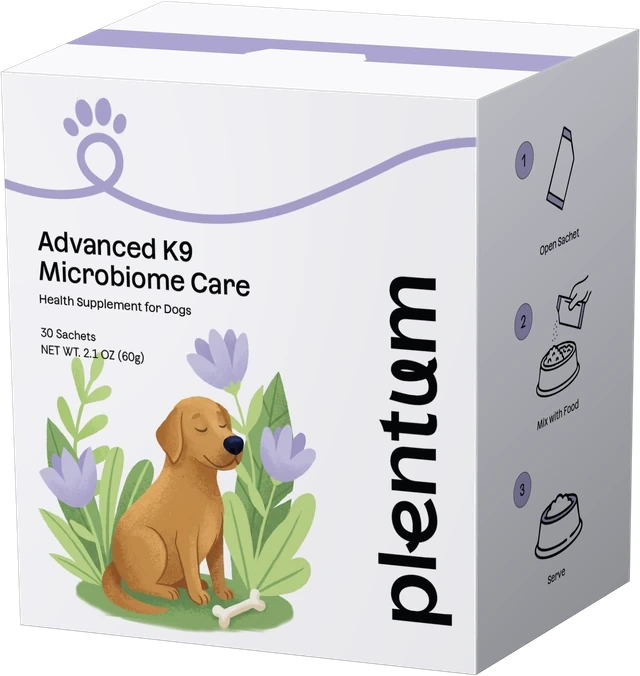
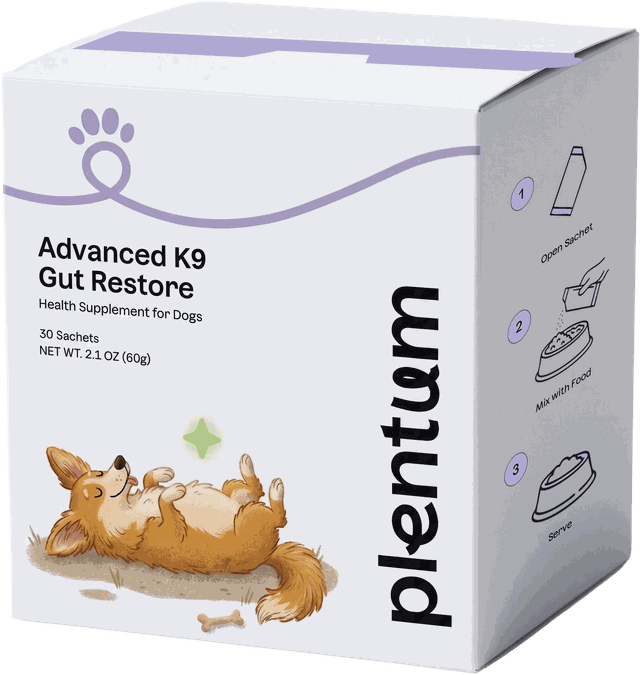
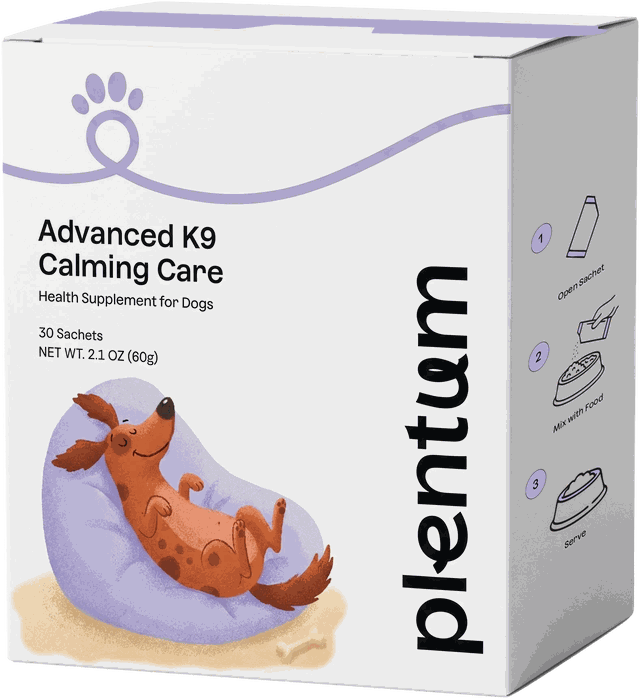
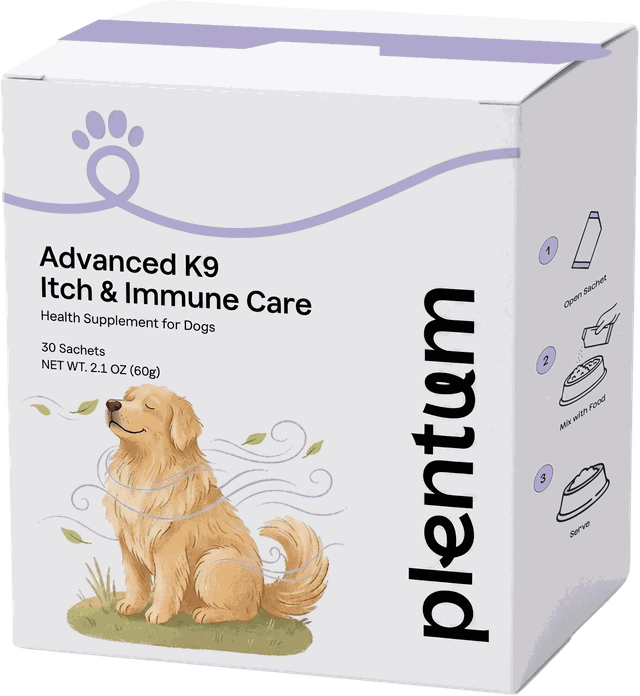
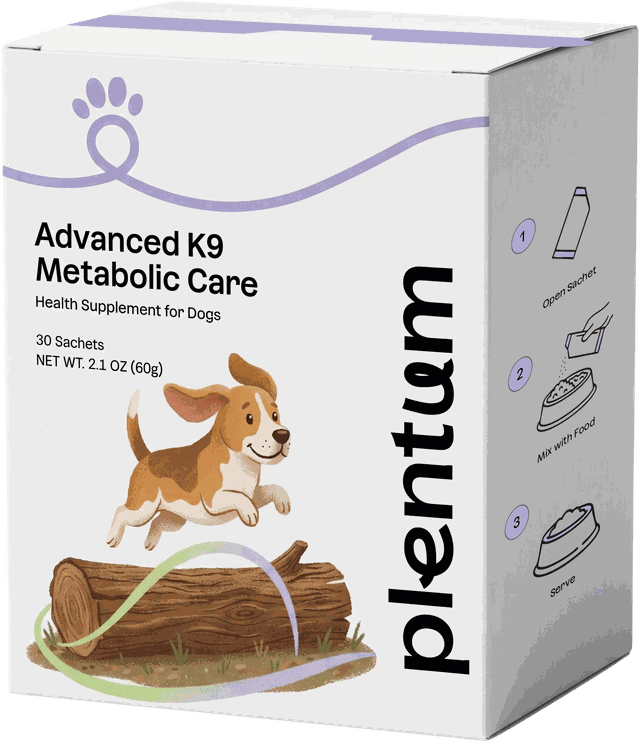
Plentum's All-in-One Dog Supplement includes the oral postbiotic alongside probiotics, prebiotics, colostrum, and omega-3 DHA — supporting oral health as part of whole-body wellness. One daily sachet supports the oral microbiome, gut health, immune function, and skin barrier: because these systems don't work in isolation, and neither should your dog's supplement routine.