


The Complete Guide to Dog Gut Health (2026)
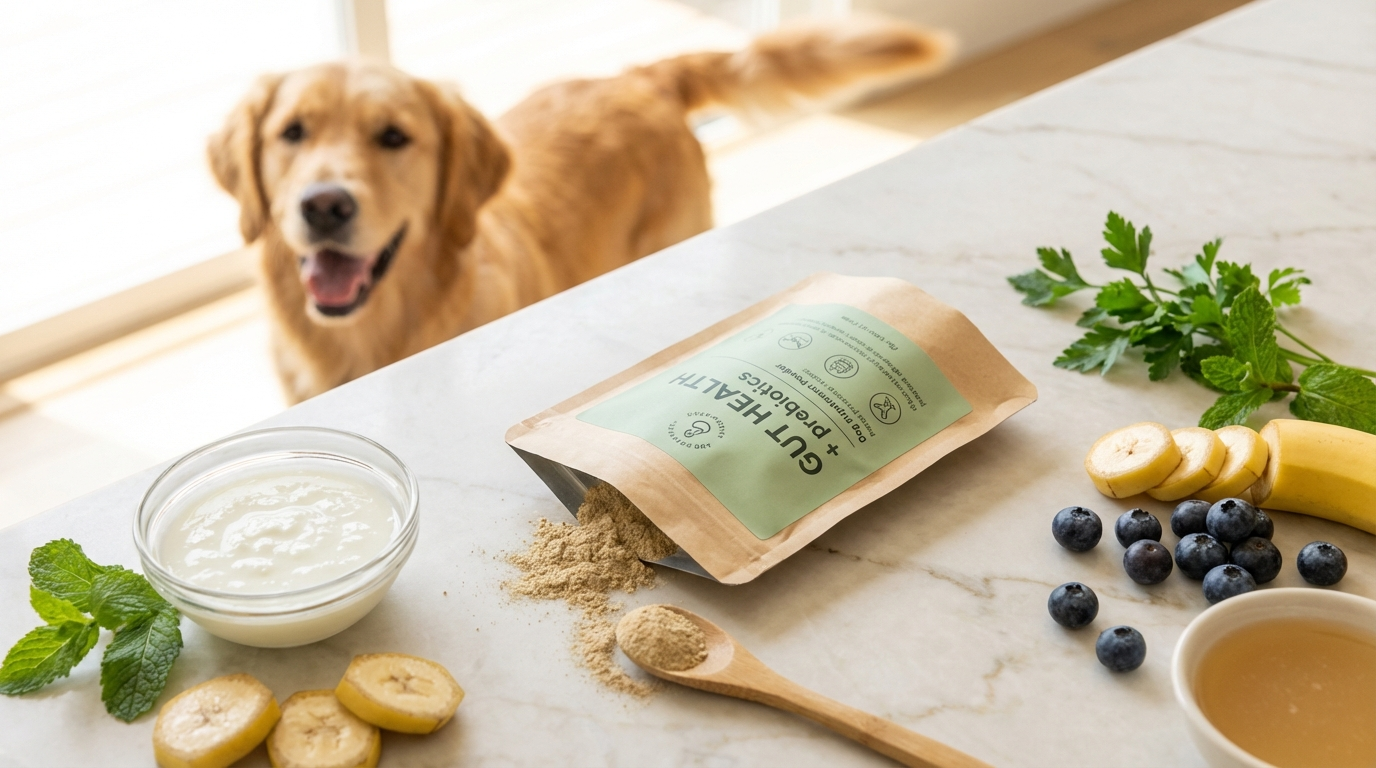
What Is Dog Gut Health and Why Does It Matter?
Your dog's gut is far more than a digestive organ — it's the command center for their entire immune system, mood regulation, skin health, and even oral hygiene. Research shows that 70–80% of the canine immune system resides in the gastrointestinal tract, making gut health the foundation of whole-body wellness.
The canine gut microbiome is a complex ecosystem of trillions of microorganisms — bacteria, fungi, and viruses — that live in your dog's digestive tract. When this ecosystem is balanced, your dog thrives. When it's disrupted, the effects ripple outward to virtually every system in the body.
Veterinary medicine has undergone a fundamental shift in the last decade. Rather than treating symptoms in isolation, more veterinarians now recognize that many chronic conditions — from recurring ear infections to persistent skin issues — often trace back to gut health imbalances. This root-cause approach is why gut health has become one of the most important topics in modern canine wellness.
Signs Your Dog's Gut Health Needs Attention
Dogs can't tell us when something feels off internally, but their bodies send clear signals. Recognizing these signs early can prevent minor imbalances from becoming chronic problems.
Digestive Signs
The most obvious indicators include chronic or intermittent diarrhea, constipation, excessive gas, bloating, and vomiting. Occasional digestive upset is normal, but if these symptoms persist for more than a few days or recur regularly, they likely signal a deeper gut health issue. Soft, poorly formed stools that don't improve with dietary changes are particularly telling.
Skin and Coat Signs
What shows on the outside often reflects what's happening inside. Persistent itching, hot spots, a dull or brittle coat, excessive shedding outside of normal seasonal patterns, and recurring skin infections are all connected to gut health through the gut-skin axis. If your dog's skin issues don't respond well to topical treatments alone, the root cause may be in their gut.
Behavioral Signs
The gut-brain axis is well-documented in both human and veterinary research. Dogs with gut health imbalances may show unexplained lethargy, anxiety, mood changes, or food refusal. Approximately 90% of serotonin — the neurotransmitter that regulates mood — is produced in the gut, which explains why digestive health can profoundly affect behavior.
Oral Signs
Persistent bad breath that doesn't improve with dental care, excessive plaque buildup, and inflamed gums can all indicate an imbalance in the oral microbiome, which is closely connected to the gut microbiome. These signs are often overlooked as "just dog breath," but they deserve attention.
When to See a Vet vs. When to Try Dietary Changes
See your veterinarian promptly if your dog experiences bloody stool, rapid weight loss, persistent vomiting, severe lethargy, or symptoms that worsen over several days. For milder, chronic symptoms like occasional soft stools, mild gas, or a dull coat, dietary changes and gut-supporting supplements are a reasonable first step — but always consult your vet if symptoms don't improve within 2–4 weeks.
The Science of the Dog Microbiome
The word "microbiome" refers to the entire community of microorganisms — including bacteria, fungi, viruses, and their genetic material — living in and on your dog's body. The gut microbiome is by far the largest and most influential of these communities, housing an estimated 100 trillion microorganisms across hundreds of different species.
A healthy canine gut microbiome is characterized by diversity — the wider the variety of beneficial species, the more resilient the ecosystem. Think of it like a forest: a monoculture is vulnerable to a single disease, while a diverse ecosystem can adapt and recover.
How the Microbiome Develops
A puppy's microbiome begins forming at birth and continues developing through weaning, solid food introduction, and into adulthood. The first 12–18 months are a critical window — early disruptions can shape lifelong health patterns. By adulthood, a dog's microbiome should be relatively stable, though it remains responsive to diet, stress, and environmental changes. In senior dogs, microbial diversity naturally declines, which is why older dogs often develop more digestive and immune challenges.
What Disrupts the Microbiome
Several factors can throw the gut microbiome out of balance:
- Antibiotics — While sometimes necessary, antibiotics don't discriminate between harmful and beneficial bacteria. A single course can reduce microbial diversity for weeks or even months.
- Chronic stress — Kennel stays, travel, loud environments, and household changes elevate cortisol, which directly alters gut bacterial populations.
- Poor diet — Highly processed foods, artificial preservatives, and diets low in fiber starve beneficial bacteria and feed problematic species.
- Environmental toxins — Pesticides, herbicides (especially glyphosate), and household chemicals can damage the gut lining and microbial populations.
Understanding these disruption factors is the first step toward protecting and restoring your dog's gut health. For a deeper dive into the canine microbiome, see our complete guide: Understanding the Dog Gut Microbiome.
Probiotics, Prebiotics, and Postbiotics — What's the Difference?
These three terms get used interchangeably, but they represent fundamentally different approaches to gut health support. Understanding the distinction helps you make smarter supplement choices.
Probiotics — Live Beneficial Bacteria
Probiotics are live microorganisms that, when consumed in adequate amounts, provide a health benefit. They work by colonizing the gut (temporarily or permanently) and competing with harmful bacteria for resources and space. Common canine-specific probiotic strains include Lactobacillus acidophilus, Bifidobacterium animalis, and Enterococcus faecium. The primary limitation of probiotics is viability — many live bacteria don't survive stomach acid, heat exposure during manufacturing, or storage conditions.
Prebiotics — Food for Beneficial Bacteria
Prebiotics are specialized fibers and compounds that feed the beneficial bacteria already living in your dog's gut. Common prebiotics include fructooligosaccharides (FOS), inulin, and beta-glucans. Rather than adding new bacteria, prebiotics help existing beneficial populations grow and thrive. Think of them as fertilizer for the good bacteria in your dog's gut garden.
Postbiotics — The Emerging Science
Postbiotics are the metabolic byproducts produced by probiotic bacteria during fermentation. These include short-chain fatty acids, enzymes, antimicrobial peptides, and cell wall fragments. What makes postbiotics particularly exciting is that they deliver the benefits of probiotics without requiring live organisms — meaning they're more stable, more predictable, and not affected by stomach acid or storage conditions.
Research published in veterinary journals shows that postbiotics can modulate immune function, strengthen the gut barrier, and suppress pathogenic bacteria — often more consistently than live probiotics alone.
Why a Combination Approach Works Best
The most effective gut health strategy uses all three together: probiotics to introduce beneficial bacteria, prebiotics to feed and support them, and postbiotics to deliver consistent functional benefits regardless of conditions. This is why modern veterinary nutrition is moving toward comprehensive formulations rather than single-ingredient supplements.
| Feature | Probiotics | Prebiotics | Postbiotics |
|---|---|---|---|
| What they are | Live bacteria | Fiber that feeds bacteria | Bacterial metabolic byproducts |
| How they work | Colonize the gut | Nourish existing bacteria | Directly modulate function |
| Stability | Sensitive to heat/acid | Stable | Very stable |
| Consistency | Variable (viability dependent) | Consistent | Highly consistent |
| Best for | Restoring populations | Maintaining diversity | Functional immune/gut support |
Learn more about each: Prebiotics for Dogs | Postbiotics for Dogs
How Diet Affects Your Dog's Gut Health
Diet is the single most influential factor in your dog's gut microbiome composition. What your dog eats every day directly determines which bacterial species flourish and which decline.
The Impact of Different Diets
Kibble-based diets tend to produce less microbial diversity due to their highly processed nature, though high-quality kibbles with whole food ingredients perform better than economy brands. Raw and fresh diets generally support greater microbial diversity, likely due to their higher moisture content, intact nutrients, and naturally occurring enzymes. Homemade diets can be excellent for gut health when properly balanced, but require careful supplementation to avoid nutritional gaps — see our Homemade Dog Food Supplements Guide.
Gut-Supporting Foods
Several whole foods can actively support your dog's gut microbiome when added in appropriate amounts: plain pumpkin (rich in soluble fiber), bone broth (contains gut-healing amino acids like glutamine), fermented vegetables like plain sauerkraut in small amounts (natural source of probiotics), and blueberries (polyphenols that support beneficial bacteria). Always introduce new foods gradually.
Foods That Can Harm Gut Health
Highly processed treats with artificial colors and preservatives, foods high in added sugars, and diets with limited fiber diversity can all contribute to gut dysbiosis over time. Consistently feeding the same ultra-processed food without variety reduces the range of bacterial species in the gut, leading to a less resilient microbiome.
For specific food recommendations, explore: Gut-Healthy Foods for Dogs | Best Dog Food for Gut Health
Dog Gut Health Supplements — What to Look For
The supplement market is flooded with options, and quality varies dramatically. Here's how to separate effective gut health supplements from marketing hype.
Species-Specific Probiotic Strains
Dogs have a fundamentally different gut microbiome than humans. Look for supplements that use canine-specific or canine-studied probiotic strains rather than strains designed for human digestion. Common effective canine strains include Lactobacillus acidophilus, Bifidobacterium animalis, Lactobacillus rhamnosus, and Enterococcus faecium.
CFU Count and Viability
CFU (Colony Forming Units) indicates how many live bacteria a supplement contains. For dogs, effective doses typically range from 1–10 billion CFU depending on body weight. However, the number on the label only matters if those bacteria actually survive to reach the gut — look for supplements that guarantee CFU count at the time of use, not just at the time of manufacturing.
Delivery Format Matters
Powder supplements generally preserve probiotic viability better than chews, which require heat during manufacturing that can destroy live bacteria. Powders also allow precise dosing by body weight, making them more versatile for dogs of different sizes. For a detailed comparison, see our article: Powder vs Chew Dog Supplements.
Supporting Ingredients
The best gut health supplements combine probiotics with complementary ingredients: colostrum (immunoglobulins that support gut barrier function), DHA omega-3 (anti-inflammatory fatty acid), zinc (essential for gut lining repair), and prebiotic fiber (food for beneficial bacteria). Multi-target formulations address gut health from multiple angles simultaneously.
Red Flags to Watch For
Be cautious of supplements that use "proprietary blends" without disclosing individual ingredient amounts, don't identify specific bacterial strains (listing only genus or species without strain designation), include animal digest or artificial flavors as primary ingredients, or make disease treatment claims that violate NASC guidelines.
For help choosing a supplement, see: Dog Digestive Supplements
The Gut-Body Connection — How Gut Health Affects Everything
One of the most important developments in veterinary science is understanding that the gut doesn't work in isolation. Through multiple biological pathways, gut health influences nearly every organ system.
The Gut-Skin Axis
Chronic skin conditions — allergies, hot spots, atopic dermatitis, and poor coat quality — are among the most common reasons pet parents seek gut health solutions. When the gut barrier is compromised ("leaky gut"), inflammatory molecules enter the bloodstream and can trigger systemic inflammation that manifests in the skin. Supporting gut health from the inside often produces visible skin and coat improvements within 4–8 weeks. Learn more in our Dog Allergy Supplement Guide.
The Gut-Brain Axis
The vagus nerve creates a direct communication highway between the gut and the brain. The gut produces approximately 90% of the body's serotonin and significant amounts of GABA and dopamine — neurotransmitters that regulate mood, anxiety, and behavior. Dogs with chronic gut issues often show behavioral changes including increased anxiety, reactivity, or lethargy. Supporting gut health can have a measurable positive impact on behavior and emotional regulation.
The Gut-Oral Axis
The oral and gut microbiomes are connected — bacteria from the mouth are constantly swallowed and interact with the gut ecosystem, while gut inflammation can alter the oral microbiome composition. This is why dogs with poor gut health often have persistent bad breath that doesn't respond to dental care alone. A comprehensive approach to dog oral health includes gut support.
The Gut-Immune Axis
With 70–80% of immune cells residing in the gut, the connection between digestive health and immune function is direct and powerful. A healthy gut microbiome trains the immune system to respond appropriately — fighting pathogens effectively while not overreacting to harmless substances (which is the mechanism behind allergies). Dogs with strong gut health tend to get sick less frequently, recover faster from illness, and have fewer allergic reactions.
How to Improve Your Dog's Gut Health — Step by Step
Improving your dog's gut health is not an overnight process, but following a structured approach produces real, lasting results.
Step 1: Identify the signs. Review the symptoms described above. Are you seeing digestive irregularities, skin issues, behavioral changes, or oral health problems? Identifying what you're working with helps you track progress.
Step 2: Audit their diet. Examine your dog's food label. What are the first five ingredients? How much fiber diversity does the food provide? Are there artificial preservatives or added sugars? Sometimes a food upgrade alone makes a noticeable difference.
Step 3: Add gut-supporting foods. Introduce gut-friendly whole foods gradually: a tablespoon of plain pumpkin, a splash of bone broth, or a few blueberries with meals. Start small and increase over a week.
Step 4: Consider a targeted supplement. For dogs with persistent gut health issues, a quality supplement containing probiotics, prebiotics, and postbiotics provides more concentrated and consistent support than diet changes alone. Look for the quality markers described above.
Step 5: Monitor and adjust over 4–8 weeks. Gut health restoration takes time. You may notice stool quality improvements within 1–2 weeks, but skin, coat, and behavioral changes typically require 4–8 weeks of consistent support. Keep a simple log of your dog's symptoms to track progress objectively.
Step 6: Maintain with a consistent routine. Once you've found what works, consistency is key. The microbiome responds to daily patterns — sporadic supplementation or constantly switching products doesn't give the ecosystem time to stabilize.
Frequently Asked Questions
How long does it take to improve a dog's gut health?
Most dogs show digestive improvements (firmer stools, less gas) within 1–2 weeks of starting a gut health supplement. Skin and coat changes typically appear in 4–8 weeks, while behavioral improvements may take 6–12 weeks. Full microbiome rebalancing can take 3–6 months of consistent support.
Can I give my dog human probiotics?
While human probiotics won't typically harm your dog, they're not ideal. The canine gut microbiome has different species compositions than the human microbiome, and strains optimized for human digestion may not provide the same benefits for dogs. Choose a supplement with canine-specific or canine-studied strains for best results.
What's the best probiotic for dogs with diarrhea?
For acute diarrhea, probiotics containing Enterococcus faecium (the strain in FortiFlora) have the most veterinary evidence. For chronic or recurring diarrhea, multi-strain formulations that also include prebiotics and postbiotics tend to produce better long-term results by addressing the underlying dysbiosis. Always consult your vet if diarrhea persists beyond 48 hours or is accompanied by blood, vomiting, or lethargy.
Do dog gut health supplements really work?
Published research supports the use of probiotics and postbiotics for canine digestive health, immune function, and skin health. The key is choosing quality supplements with species-appropriate strains, adequate dosing, and proper storage. Not all supplements are created equal — look for products that disclose specific strain information, guarantee CFU counts, and carry NASC certification.
Is powder or chew better for dog probiotics?
Powder format generally preserves probiotic viability better because chew manufacturing involves heat that can destroy live bacteria. Powders also allow flexible, weight-based dosing and mix easily into any food. However, chews can be more convenient for some dogs. If you choose a chew, look for products that compensate with higher CFU counts. Read our full comparison: Powder vs Chew Dog Supplements.
How do I know if my dog needs a probiotic?
Signs that suggest probiotic support could help include chronic soft stools or irregular digestion, recurring skin issues or allergies, frequent ear infections, persistent bad breath, anxiety or behavioral changes, recovery from antibiotics, and general low energy. If your dog is healthy with no symptoms, a maintenance-dose probiotic can still support long-term gut resilience — similar to how humans take daily vitamins for prevention.
Can puppies take gut health supplements?
Yes — puppies can generally start probiotic supplementation from around 8 weeks of age. Their developing microbiomes are actually more responsive to supplementation than adult dogs. Start with a reduced dose (typically half the adult recommendation) and consult your vet first. For detailed guidance, see our Puppy Probiotics Guide.
What's the difference between a probiotic and a postbiotic for dogs?
Probiotics are live bacteria that colonize the gut, while postbiotics are the beneficial compounds produced by bacteria during fermentation. Postbiotics don't require live organisms, making them more stable and consistent. The most effective approach uses both: probiotics to restore and maintain bacterial populations, and postbiotics for reliable functional benefits like immune modulation and gut barrier support.
Always consult your veterinarian before starting any new supplement regimen, especially if your dog has existing health conditions or is on medication.
Looking for a comprehensive gut health supplement that combines probiotics, prebiotics, postbiotics, colostrum, and omega-3 in one formula? Explore Plentum's All-in-One Dog Supplement — designed to support your dog's gut, skin, immune system, and oral health from a single daily scoop.
These statements have not been evaluated by the Food and Drug Administration. This product is not intended to diagnose, treat, cure, or prevent any disease.