






Homemade dog food supplements: what your dog needs
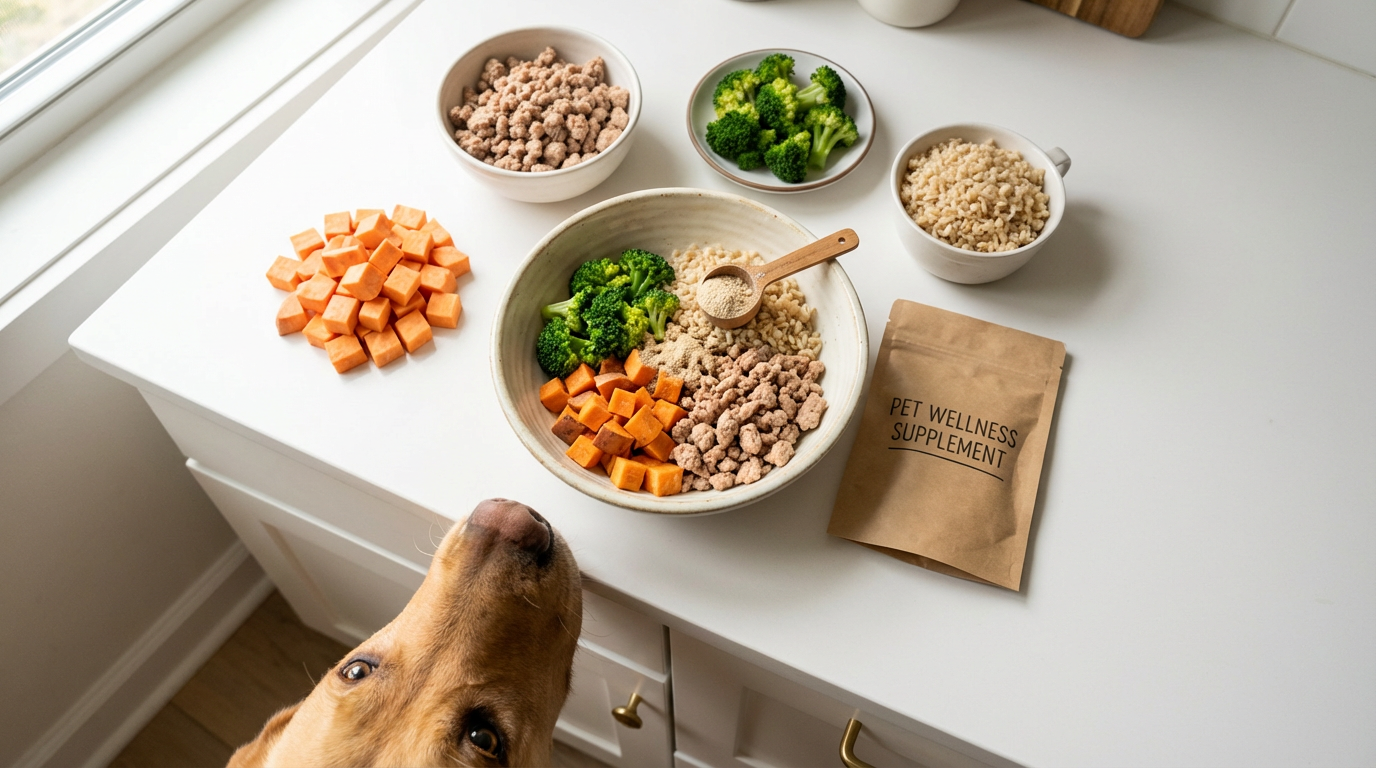
Why homemade dog food needs supplements
Cooking for your dog is one of the most loving things you can do — but without the right supplements, homemade dog food can actually create serious nutritional gaps that harm your dog over time.
Most dog parents don't know this: a landmark study found that 95% of homemade dog food recipes available online are nutritionally incomplete, failing to meet AAFCO (Association of American Feed Control Officials) standards for at least one essential nutrient. Many recipes were deficient in multiple critical nutrients simultaneously.
The most common nutritional gaps in homemade diets include:
- Calcium — the #1 deficiency, critical for bones, teeth, and muscle function
- Zinc — essential for immune function, skin health, and wound healing
- Vitamin D — dogs cannot synthesize it from sunlight like humans
- Vitamin E — a key antioxidant that protects cell membranes
- B vitamins — vital for energy metabolism and nervous system function
- Omega-3 fatty acids — critical for inflammation control and brain health
Without supplementation, these deficiencies develop gradually. Your dog may appear healthy for weeks or even months, but nutrient depletion accumulates silently. By the time visible symptoms appear (dull coat, low energy, brittle nails, dental problems) the deficiency has already been affecting organ function, immune response, and cellular health.
The good news is that supplementing homemade dog food correctly is straightforward once you understand what's needed. This guide walks you through the essential supplements, proper dosing, and the mistakes to avoid.
The most important supplements for homemade diets
Not every homemade diet needs the same supplements — it depends on the protein source, cooking method, and ingredients used. However, several nutrients are consistently lacking across nearly all homemade recipes.
Calcium: the #1 deficiency in homemade diets
Calcium is overwhelmingly the most common deficiency in homemade dog food. Without added bones or a calcium supplement, a homemade diet typically provides only 20-40% of a dog's daily calcium requirement.
Calcium deficiency is especially dangerous because the body compensates by pulling calcium from bones, leading to weakened skeletal structure over time. In puppies, this can cause permanent developmental issues.
Supplementation options: Bone meal powder, ground eggshell powder (½ teaspoon per pound of food), or a veterinary calcium supplement. The calcium-to-phosphorus ratio should stay between 1.2:1 and 1.4:1 — meat is naturally high in phosphorus, which is why calcium supplementation is critical to maintain this balance.
Omega-3 fatty acids: EPA and DHA
Most homemade diets are high in omega-6 fatty acids (from meat) but severely lacking in omega-3 fatty acids, specifically EPA (eicosapentaenoic acid) and DHA (docosahexaenoic acid). This imbalance drives chronic inflammation, which manifests as skin issues, joint problems, and reduced immune function.
Fish oil or algal oil are the most bioavailable sources. Plant-based omega-3s (flaxseed, chia) contain ALA.
Vitamin E: antioxidant protection
Vitamin E works as a powerful antioxidant that protects cell membranes from oxidative damage. It's especially important when supplementing fish oil, as omega-3 fatty acids are prone to oxidation — and vitamin E prevents this.
Most homemade diets provide roughly 50% of the NRC (National Research Council) recommended vitamin E intake, making supplementation important for long-term health.
Zinc: immune function and skin health
Zinc is involved in over 300 enzymatic reactions in your dog's body. Deficiency affects immune function, wound healing, thyroid function, and skin integrity. Certain breeds (Siberian Huskies, Malamutes, and other northern breeds) are particularly prone to zinc deficiency even on commercial diets.
Zinc from plant-based ingredients is poorly absorbed due to phytates, which is why supplementation matters even in diets that appear zinc-adequate on paper.
B vitamins: energy and nervous system support
B vitamins are water-soluble, meaning they're easily lost through cooking. If you cook your dog's food (which most homemade feeders do), a significant portion of B vitamins is destroyed during the process. A B-complex supplement ensures adequate levels of thiamine, riboflavin, niacin, B6, B12, and folate.
Probiotics: supporting digestion of varied diets
Switching from commercial food to homemade diets often triggers digestive upset as your dog's gut microbiome adapts to new protein sources and fiber profiles. A quality probiotic supplement supports this transition by maintaining microbial diversity and gut barrier integrity.
This is particularly important for rotational feeders who vary protein sources regularly — each dietary change alters the microbiome, and probiotics help maintain stability during these shifts.
Dosage reference by dog weight
| Supplement | 10 lb Dog | 25 lb Dog | 50 lb Dog | 75+ lb Dog |
|---|---|---|---|---|
| Calcium (mg/day) | 400-500 | 800-1,000 | 1,200-1,600 | 1,800-2,400 |
| EPA+DHA (mg/day) | 150-300 | 375-750 | 750-1,500 | 1,125-2,000 |
| Vitamin E (IU/day) | 20-30 | 50-75 | 100-150 | 150-200 |
| Zinc (mg/day) | 5-7 | 10-15 | 20-25 | 30-40 |
These ranges are general guidelines.
How to supplement different homemade diet types
Homemade diets differ, and so do their gaps. The supplementation strategy changes depending on whether you cook, feed raw, or rotate between homemade and commercial food.
Cooked diets (chicken + rice + vegetables)
The most common homemade diet — and the one most likely to need broad supplementation. Cooking destroys heat-sensitive vitamins (especially B vitamins and some vitamin C), and the typical chicken-rice-vegetable combo lacks adequate calcium, zinc, vitamin E, and omega-3s.
Supplement priorities: Calcium, omega-3 (fish oil), vitamin E, B-complex, and zinc. A gut-supporting probiotic helps digest cooked proteins and carbohydrates efficiently.
Raw/BARF diets
Raw diets that include raw meaty bones may have adequate calcium, but they still commonly lack vitamin E, zinc, and omega-3s (unless fatty fish is regularly included). If you're using boneless meat, calcium supplementation is just as critical as with cooked diets.
Supplement priorities: Omega-3, vitamin E, zinc, and probiotics. Add calcium if the diet doesn't include adequate raw bones (10-15% of total diet).
Rotational diets (homemade + commercial)
If you mix homemade meals with commercial dog food, supplementation depends on the ratio. A dog eating 50% commercial and 50% homemade still needs supplementation for the homemade portion — the commercial food doesn't "make up" for the gaps in the homemade component unless you've calculated the total nutrient profile.
Supplement priorities: Varies based on the ratio. An all-in-one supplement is the simplest way to cover common gaps. Probiotics help the digestive system handle dietary variety without upset.
Prescription homemade diets (vet-formulated)
If a veterinary nutritionist formulated your dog's recipe, it likely comes with specific supplement instructions. Follow those exactly and don't add additional supplements, as over-supplementation of fat-soluble vitamins (A, D, E, K) can be as harmful as deficiency.
All-in-one supplements vs. individual supplements
One of the biggest decisions homemade feeders face is whether to buy individual supplements or use an all-in-one product. Both approaches have advantages.
| Factor | All-in-One Supplement | Individual Supplements |
|---|---|---|
| Convenience | One sachet per meal | 3-6 products to manage |
| Cost (monthly) | $30-60 | $50-120+ |
| Customization | Fixed formula | Fully adjustable per nutrient |
| Over-supplementation risk | Lower (pre-balanced ratios) | Higher (easy to miscalculate) |
| Best for | Most homemade feeders | Dogs with specific medical needs |
For most dog parents who prepare homemade food, a quality all-in-one supplement is the safest and most practical choice. It eliminates the risk of miscalculating ratios between individual nutrients and ensures nothing gets forgotten in the daily routine.
Individual supplementation makes sense when your dog has a diagnosed deficiency that requires therapeutic doses beyond what an all-in-one provides, or when a veterinary nutritionist has prescribed a specific supplementation protocol.
Learn more about all-in-one options in our complete guide to all-in-one dog supplements.
Common mistakes in supplementing homemade dog food
Even well-intentioned dog parents make supplementation errors that undermine the benefits of homemade feeding. These are the most frequent mistakes.
Using human supplements
Dogs have different nutritional requirements, absorption rates, and tolerances than humans. Human multivitamins often contain xylitol (toxic to dogs), excessive vitamin D levels, or iron forms that are poorly tolerated by canines. Always use supplements formulated specifically for dogs.
Ignoring calcium-to-phosphorus ratios
Adding calcium without accounting for phosphorus is a common and potentially dangerous error. Meat is naturally high in phosphorus, and if you supplement calcium without considering the total phosphorus content of the diet, you can create either an excess or still-inadequate ratio. The target calcium-to-phosphorus ratio is 1.2:1 to 1.4:1.
Over-supplementing fat-soluble vitamins
Vitamins A, D, E, and K accumulate in body fat and the liver. Unlike water-soluble vitamins (which are excreted when consumed in excess), fat-soluble vitamins build up over time. Excessive vitamin A, for example, can cause bone deformities, while too much vitamin D leads to dangerous calcium deposits in organs. More is not better — stick to recommended dosages.
Not adjusting for life stage
A growing puppy has vastly different nutritional needs than an adult or senior dog. Calcium requirements per pound of body weight are significantly higher during growth, and getting the ratio wrong during this critical period can cause permanent skeletal abnormalities. Puppies, pregnant dogs, and seniors all need adjusted supplementation protocols.
Relying on incomplete recipes from the internet
Blog recipes, social media posts, and even some books provide homemade dog food recipes that haven't been analyzed by a veterinary nutritionist. A recipe that looks balanced based on ingredient variety can still be severely deficient in essential nutrients. Always have your recipe analyzed against NRC or AAFCO standards before committing to it long-term.
Getting started: a simple supplementation routine
Transitioning to properly supplemented homemade dog food doesn't have to be overwhelming. Follow this step-by-step approach to ensure you're covering all nutritional bases.
Step 1: Consult your vet or a veterinary nutritionist. Before starting or modifying a homemade diet, get professional guidance. A veterinary nutritionist can analyze your planned recipes and identify specific supplement needs for your dog's breed, age, weight, and health conditions.
Step 2: Get your recipe analyzed. Use a service like BalanceIT or Pet Diet Designer to check your recipe against NRC or AAFCO standards. This identifies exactly which nutrients are lacking and by how much, taking the guesswork out of supplementation.
Step 3: Choose quality supplements with verified potency. Look for products with third-party testing. Powder supplements generally offer better bioavailability and dosing flexibility than chews for homemade feeders, as they mix directly into food.
Step 4: Add supplements consistently at mealtime. Mix supplements directly into your dog's food at every meal — consistency is key. Split the daily supplement dose across meals rather than giving everything at once to improve absorption and reduce digestive upset.
Step 5: Monitor health markers. Track your dog's coat quality, energy levels, stool consistency, weight, and overall vitality. These are early indicators of whether your supplementation protocol is working. Keep a simple weekly log during the first three months.
Step 6: Re-evaluate every 6 months. As your dog ages, their nutritional needs change. Seasonal diet variations, health changes, and activity level shifts all affect supplement requirements. Review the protocol twice yearly and adjust it as needed.
Frequently asked questions
Can I just use a multivitamin for my dog's homemade diet?
A canine multivitamin can serve as a foundation, but most don't provide adequate calcium — the #1 deficiency in homemade diets. You'll likely need to supplement calcium separately. Additionally, many multivitamins lack therapeutic levels of omega-3 fatty acids. An all-in-one supplement designed for homemade feeders is a better option than a basic multivitamin.
How much calcium does my dog need per day?
The NRC recommends approximately 50 mg of calcium per kilogram of body weight per day for adult dogs, with higher requirements during growth, pregnancy, and lactation. For a 50-pound (22.7 kg) dog, that's roughly 1,135 mg of calcium daily. However, the exact amount depends on your recipe's phosphorus content — maintaining a 1.2:1 to 1.4:1 calcium-to-phosphorus ratio is more important than hitting an absolute calcium number.
Is it safe to supplement raw dog food?
Yes, raw diets need supplementation just like cooked diets — the main difference is that raw diets with adequate raw meaty bones may already provide sufficient calcium. All other nutrients (omega-3, vitamin E, zinc, B vitamins) typically still need supplementation. If you're feeding a boneless raw diet, calcium supplementation is absolutely essential.
Do I need to supplement if I use a base mix?
Commercial base mixes (like The Honest Kitchen, JustFoodForDogs, or Sojos) are designed to be nutritionally complete when prepared according to their instructions. If you're using a base mix correctly, additional supplementation may not be necessary — and could potentially cause nutrient excesses. However, you might still benefit from adding a probiotic for digestive support, especially during the initial transition period.
What happens if I don't supplement homemade dog food?
Short-term (weeks to months), your dog may appear fine. Long-term (months to years), nutrient deficiencies cause progressive health deterioration. Calcium deficiency leads to weakened bones and dental problems. Zinc deficiency causes chronic skin issues and immune suppression. Omega-3 deficiency drives systemic inflammation. The damage is cumulative and often irreversible by the time clinical signs appear. Always supplement homemade diets — the risk of not doing so far outweighs the cost and effort.
Give your dog the complete nutrition they deserve
Preparing homemade food for your dog shows real care. The right supplements cover the nutritional gaps, so your dog gets the fresh, whole-food quality of homemade meals and the complete nutrition their body needs.
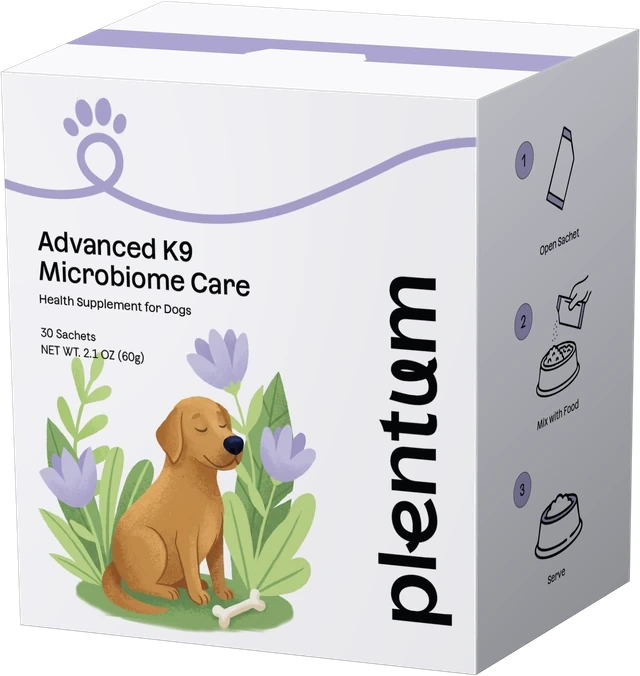
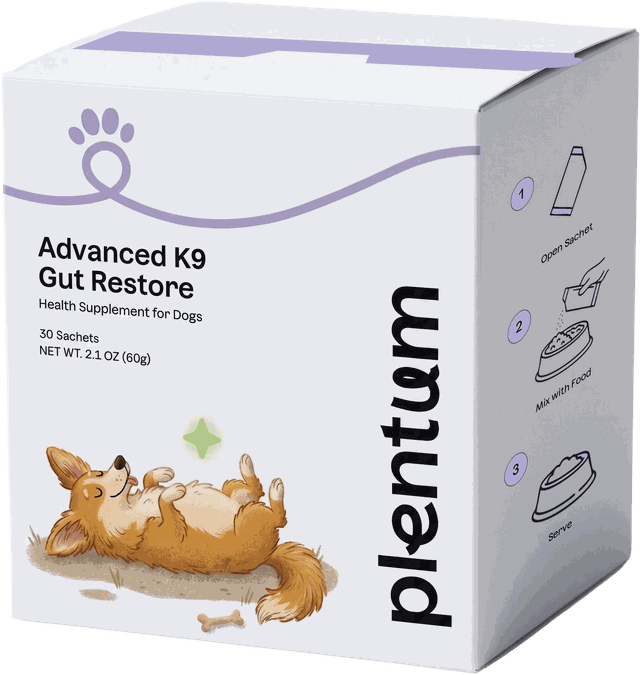
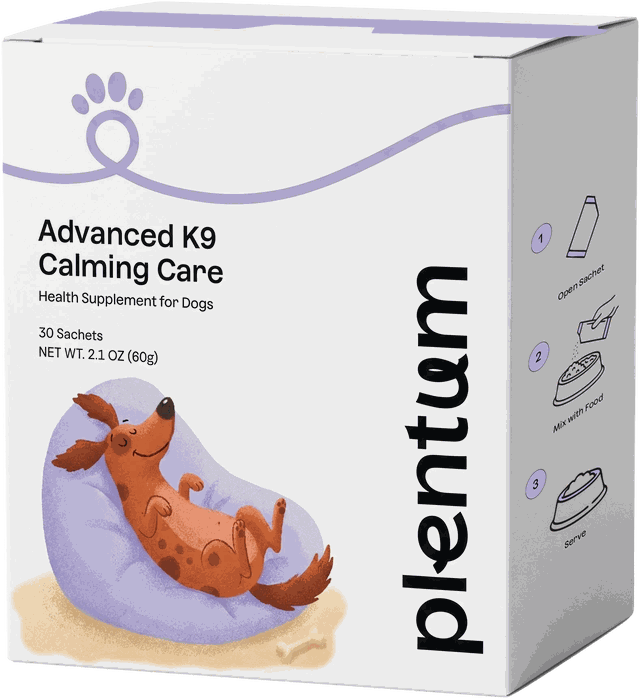
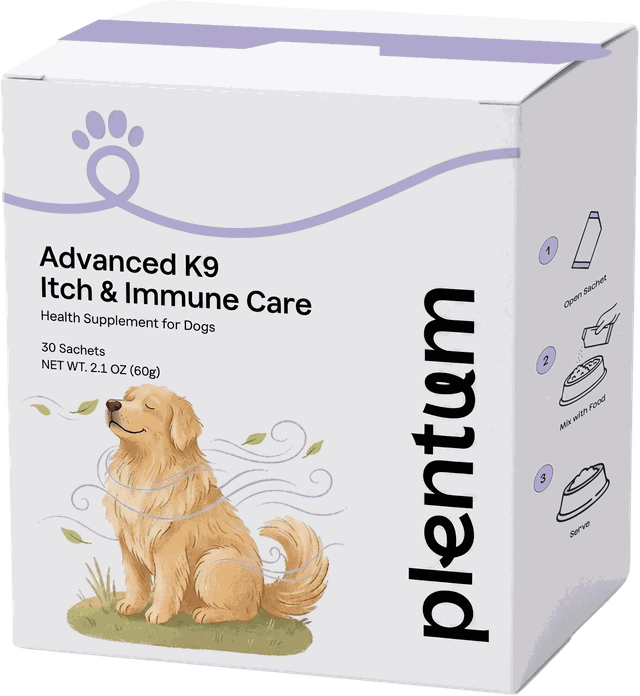
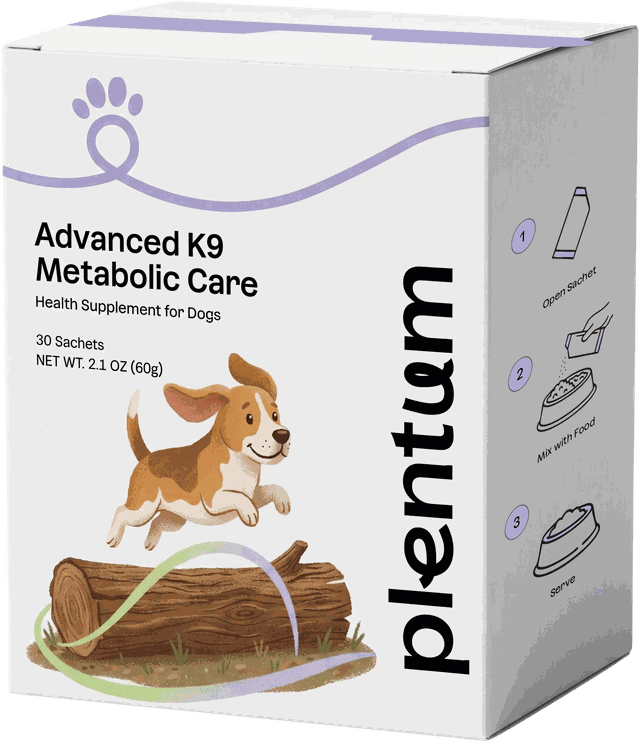
Plentum's All-in-One Dog Supplement was designed with homemade feeders in mind. Each sachet delivers probiotics, prebiotics, postbiotics, omega-3 DHA, colostrum, and essential micronutrients — supporting daily nutrition in a single powder that mixes easily into any homemade recipe. It's a simple way to help fill common gaps in home-cooked meals.