







Postbiotic Dog Supplement Research 2026
Plentum Research · Postbiotics
A research brief on postbiotic dog supplement language, how it differs from live cultures, and how shoppers can read this category responsibly.
Research summary: Postbiotic products should not be judged like live-microbe probiotics. The better questions are ingredient identity, dose context, manufacturing transparency, storage simplicity, and the role in a daily routine.

What this page is
A public science brief that helps pet parents read supplement evidence, labels, and routine-fit questions more clearly.
What this page is not
It is not a diagnosis guide, a veterinary replacement, or a claim that every pet needs the same supplement.
Plentum context
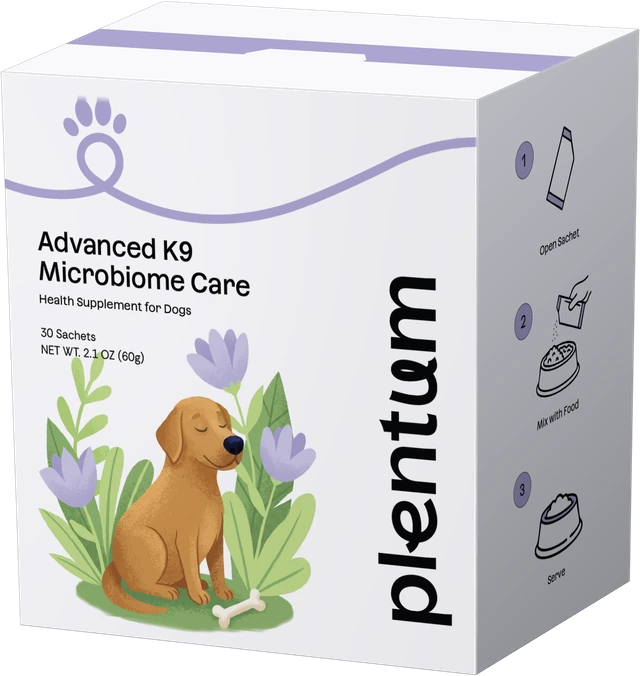
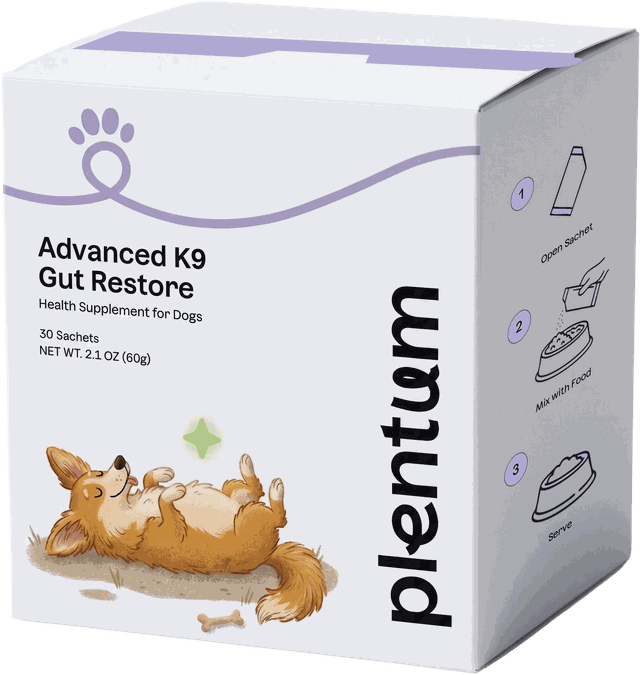
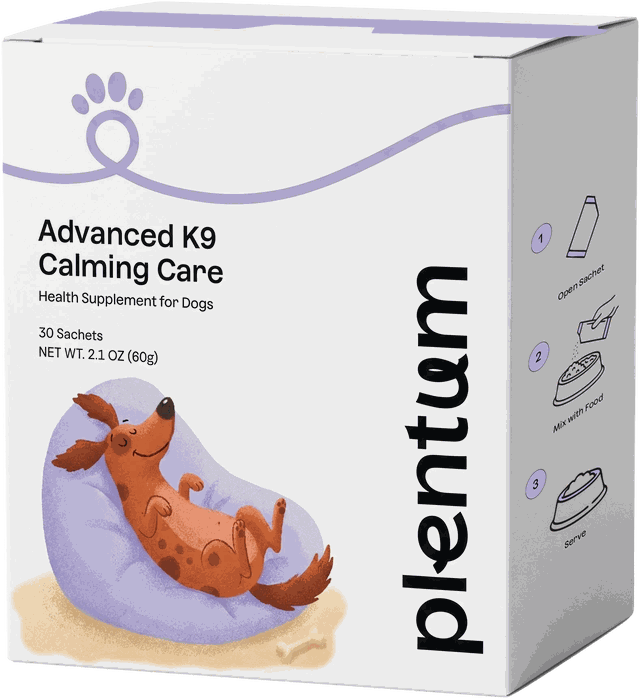
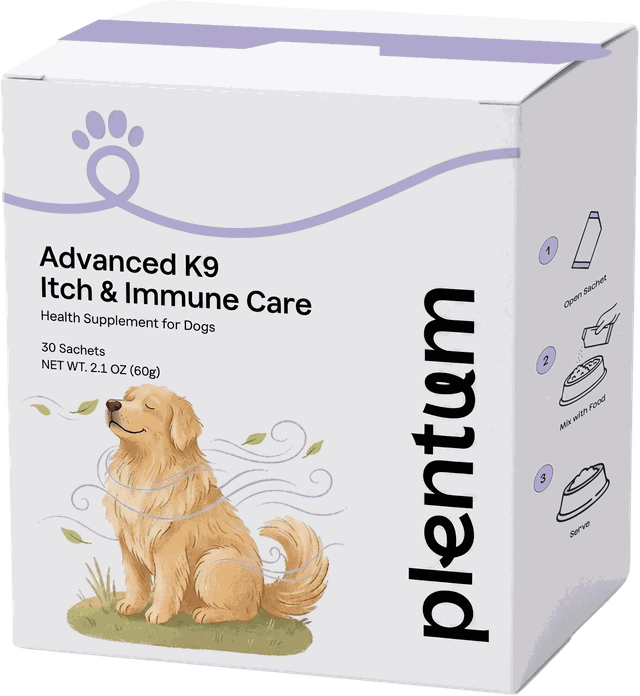
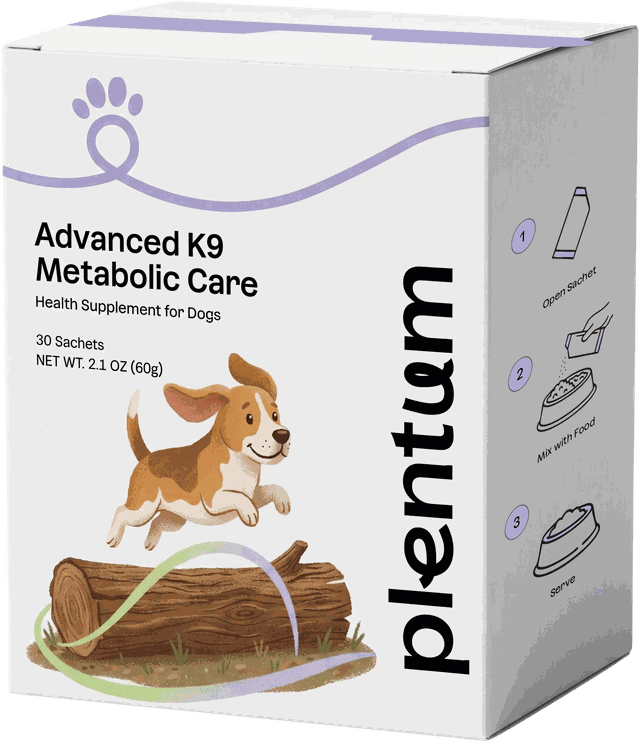
Plentum discusses daily support through postbiotic plus prebiotic nutrition context. It should not be described as a probiotic.
Evidence Map
| Research area | What the evidence can support | What to check before using it |
|---|---|---|
| Category clarity | Postbiotic language should make clear that the formula is not relying on live organisms. | Avoid pages that borrow probiotic language while hiding category differences. |
| Stability context | Non-live microbial material may have different storage and handling questions than live cultures. | Look for direct serving and storage guidance. |
| Support boundary | Postbiotic research belongs in daily wellness and nutrition context, not as a replacement for veterinary diagnosis. | Escalate persistent digestive, oral, or energy changes to a veterinarian. |
Practical Takeaways
- The safest Plentum framing is postbiotic plus prebiotic support with nutrient context.
- A postbiotic page should explain why CFU comparisons are not the main evaluation lens.
- Good research copy should help a pet parent ask better label questions without overpromising outcomes.
Veterinary boundary: Persistent diarrhea, vomiting, blood in stool, appetite change, weight loss, pain, sudden behavior change, dental pain, lameness, medication use, pregnancy, nursing, puppies, kittens, senior pets, or pets with known health conditions should be discussed with a veterinarian.
How to Use This Research
Use this page to ask better questions about ingredient class, serving size, label clarity, quality controls, storage, and daily routine fit. A strong supplement page should make the decision easier without making medical promises.