



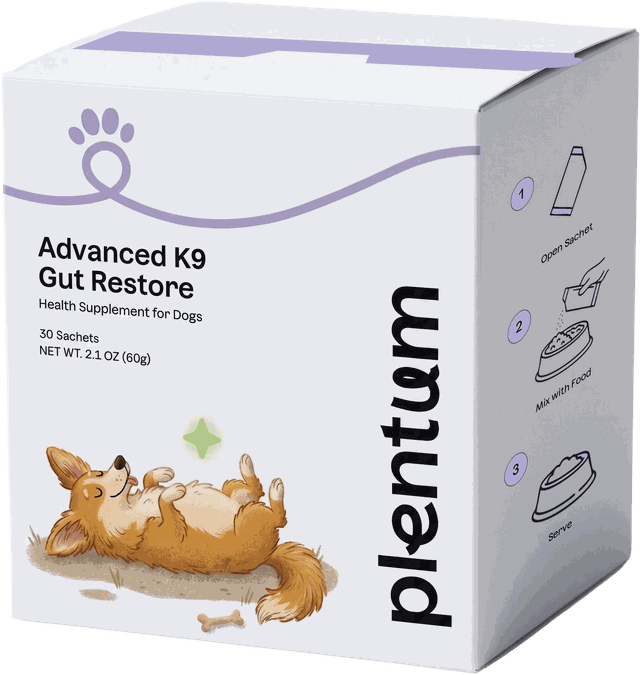
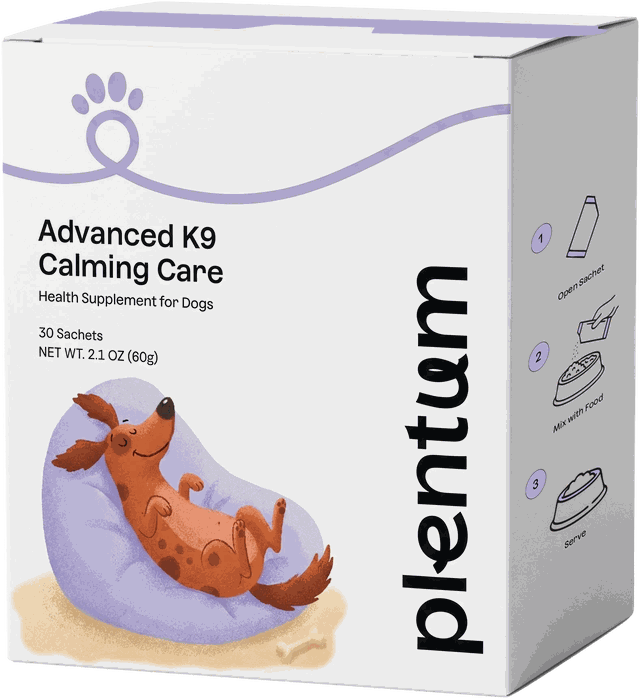

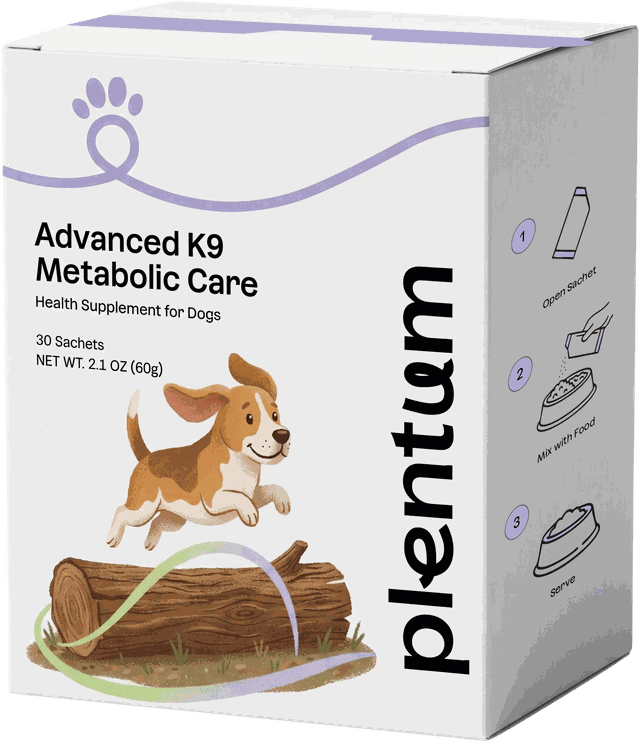

Quick answer: For most dogs, the practical answer to what time of day to give a postbiotic is a steady time with a meal, such as morning with breakfast or evening with dinner. Postbiotics are not live probiotic cultures, so no single hour works best for every dog. Pick a time you will remember, give it with food, and ask your vet which daily routine suits your dog and any medications.
Key takeaways
- For most dogs, a steady daily time with a meal is the practical choice.
- Morning with breakfast and evening with dinner are both practical options.
- Consistency usually matters more than the exact hour.
- Postbiotics are not live probiotic cultures.
- Once-daily dosing on a steady routine is the simpler default.
The Science of Daily Rhythms in Mammals

Many body systems follow daily rhythms in mammals, and the gut is one of them. The bacteria in the colon, mucus production and gut movement can all change across the day. Short-chain fatty acids such as butyrate are made in the colon and are an important fuel for colon cells.
Research on time-of-day effects for dog postbiotics is limited. Treat timing as a practical routine choice rather than a fixed rule.

Best Time of Day to Give Your Dog Postbiotics
Morning with breakfast is a practical choice for many owners. It is easy to remember, and breakfast gives the habit a fixed anchor. If you already give other supplements or medications in the morning, adding it there keeps the routine simple.
Evening with dinner is also a practical option for many households. What matters most is that the time stays the same from day to day.
Avoid giving it on an empty stomach. Giving it without food can occasionally cause mild nausea in sensitive dogs. Food may help buffer the stomach, so pairing the dose with a meal is a sensible habit.
Split Dosing: Does It Work Better?
Unless your vet has recommended split dosing for a particular reason, once-daily dosing is the simpler default. This guide does not include comparison data showing that splitting a dose works better for most dogs. A consistent routine is usually easier to keep than a complicated schedule.
If your dog shows signs that could point to deeper digestive trouble, and you are not sure what is normal, read 6 Daily Signs Your Dog Might Benefit From Digestive Support. Knowing your dog's usual baseline makes timing decisions easier.
Special Considerations for Different Life Stages
Puppies, adult dogs and senior dogs do not follow the same routine. Puppies usually eat on a changing schedule, so it helps to fit timing around their meals. Adult dogs are the simplest case: pick a time, stick with it, and keep it the same each day.
Senior dogs often have a steady routine already, and a consistent time with a meal usually suits them. Older dogs may also take other medications or live with health conditions, so check the timing with your vet before you add or change anything.
How Postbiotics Fit Into a Broader Gut Health Plan

Timing a postbiotic is one piece of the picture. It fits best as part of a complete routine that includes good daily care, a balanced diet and a clear record of changes. Keep the record simple: note the time you give it, what your dog eats, and any change in stool or appetite.
If your dog struggles with seasonal allergies, timing is only one part of the picture. Postbiotics are sometimes discussed as part of a wider gut-support routine, and the link between the gut and the skin is an area of ongoing research. This article on Can a Synbiotic Help Dogs with Seasonal Allergies? looks at how gut support is approached alongside other steps.
If your dog's signs look more like acid reflux, read What Acid Reflux Actually Looks Like in Dogs. Timing a supplement matters less when the underlying issue has not been identified. If you are already using other gut-health products, check out 7 Mistakes to Avoid With a Prebiotic for Dogs With Diarrhea, which points out that timing mistakes are more common than most owners expect.
Where supplements fit
Timing is easiest to manage when it is written down. Add the time you give any postbiotic or supplement to your daily checklist, along with the date you started. That record helps you and your vet see whether a change in routine lines up with changes in stool, appetite or energy.
Supplement, not a medicine. Ask your vet if your dog has a health condition or takes medication.
Frequently asked questions
What time of day should I give my dog probiotics or postbiotics?
For most dogs, a steady time with a meal is the simplest choice. Morning with breakfast is practical, and evening with dinner also works. Consistency usually matters more than the exact hour, so pick the time you are most likely to keep.
Is Pro Kolin good for diarrhea?
This guide does not review Pro Kolin or any other product. Diarrhea can have many causes, so talk to your vet before you choose a product. Call your vet promptly if the diarrhea lasts, contains blood or comes with vomiting or lethargy.
Should I give a postbiotic on an empty stomach?
It is better to give it with food. Giving it without food can occasionally cause mild nausea in sensitive dogs, and a meal may help buffer the stomach. If your dog reacts badly to the timing, ask your vet before you change the routine again.
Is split dosing better than once-daily dosing?
This guide does not include comparison data showing that split dosing works better for most dogs. Once-daily dosing on a steady routine is the simpler default, unless your vet has recommended split dosing for your dog's situation.
Sources
- This guide does not rely on a dog-specific study for its timing advice. The points above are general, so ask your vet about your own dog.


