




Pet Supplement Benefits: What Dog Parents Must Know

Most premium dog foods fall short on key nutrients due to processing. Here's what the science says about pet supplement benefits — and what your dog is actually missing.

Dog owner adding daily supplement sachet to ceramic dog bowl — pet supplement benefits for dogs


HERO IMAGE BRIEF

Description: A warm, candid lifestyle shot of a golden retriever or Labrador sitting attentively on a wooden kitchen floor, watching as its owner sprinkles a Plentum sachet over a ceramic dog bowl. Morning light streams through a window in the background. Earth tones — warm wood surfaces, cream-colored walls, a bowl of kibble. Clean, uncluttered composition. No text overlays.

Dimensions: 1200×628px

Style: Warm natural lighting, lifestyle photography, authentic candid feel, ultra realistic

Alt text: Dog owner sprinkling Plentum daily sachet into ceramic dog bowl — the science of pet supplement benefits made simple


Pet Supplement Benefits: What Dog Parents Must Know

You read labels. You research ingredients. You probably take your own supplements every morning. So it makes sense that you'd start asking the same questions about your dog.

Do pet supplements actually do anything? Which benefits are real, and which are marketing? And if the science holds up — why isn't their food already providing this?

These are exactly the right questions. Here's what the research says.


Table of Contents

1. Why Most Dog Diets Fall Short

2. The 6 Core Benefits of Daily Pet Supplements

- 1. Joint & Mobility Support

- 2. Skin & Coat Health

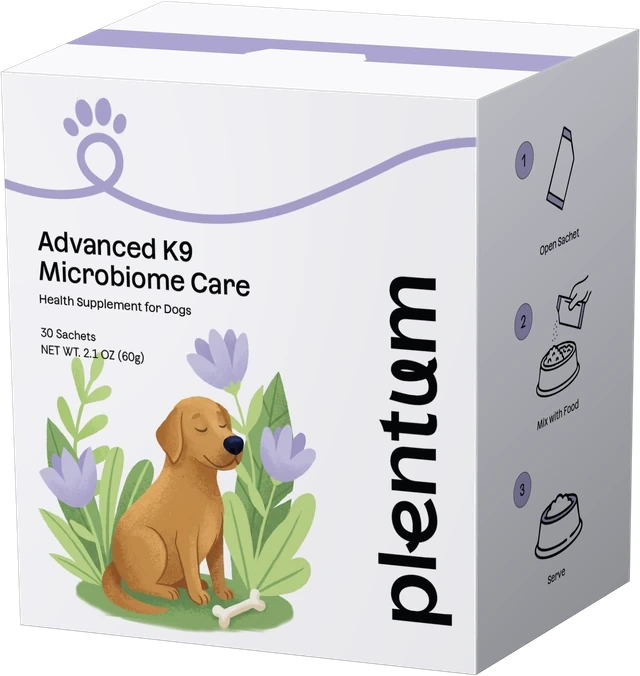
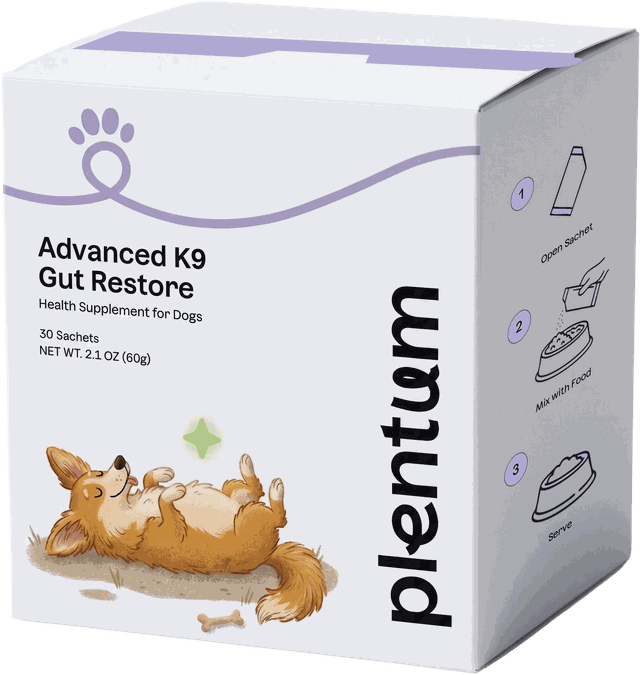
- 3. Digestive Health & Gut Flora

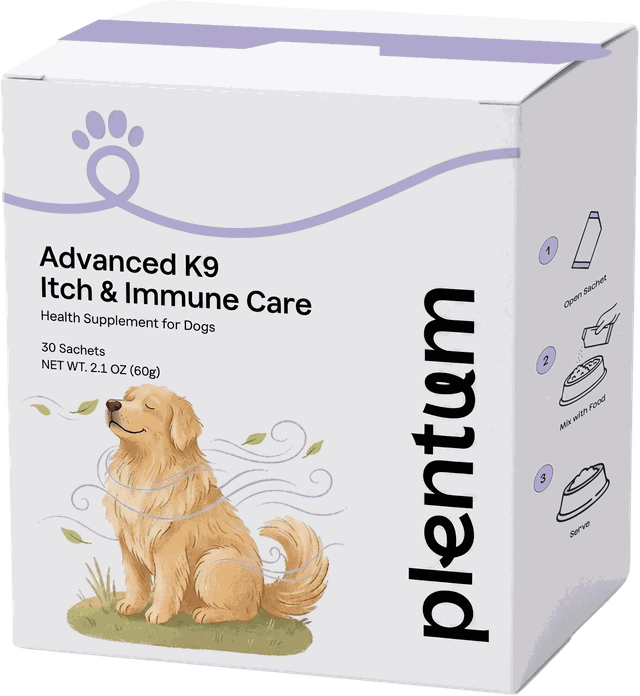
- 4. Immune System Resilience

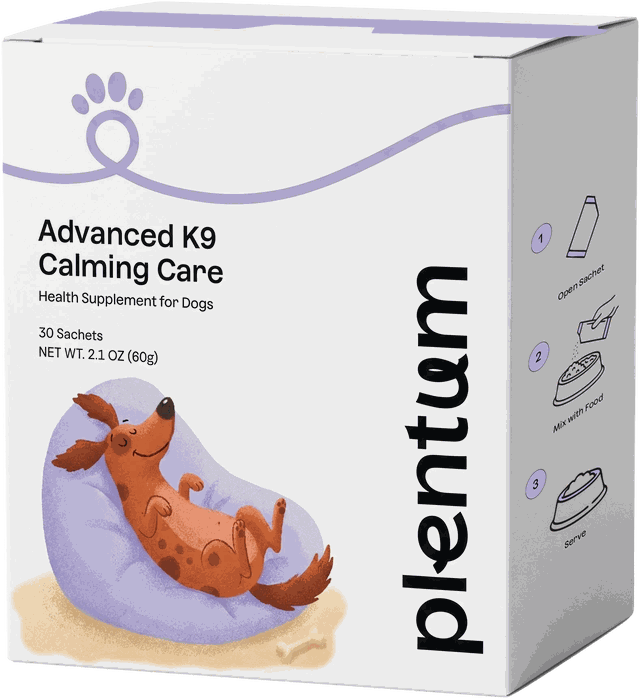
- 5. Cognitive Function & Calm Behavior

- 6. Heart & Organ Health

3. How to Choose a Pet Supplement

4. How Long Until You See Results?

5. Common Questions About Pet Supplements

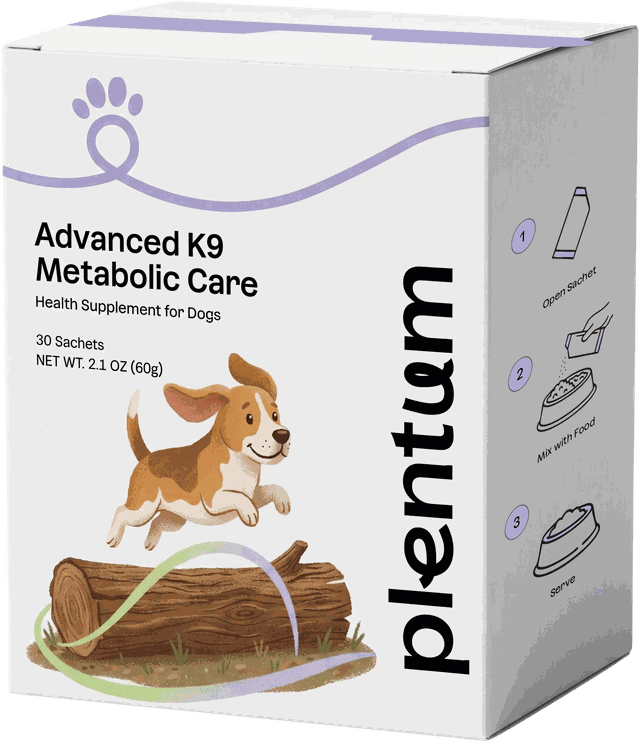
6. The Plentum Daily Sachet


Why Most Dog Diets Fall Short

The premium bag of kibble in your pantry costs $80 and has an impressive ingredient list. So why would your dog need anything extra?

The answer comes down to what happens between the farm and the bowl.

What Processing Does to Nutrients

Commercial pet food — even the high-quality kind — is cooked at high temperatures during processing. That heat degrades heat-sensitive nutrients like certain B vitamins, omega fatty acids, and live beneficial bacteria. Your dog's food arrives at their bowl nutritionally incomplete compared to what those raw ingredients originally contained.

The Soil Depletion Problem

There's a second problem: soil depletion. The grains, vegetables, and meat proteins in your dog's food are grown in soil that's been farmed more intensively than in previous generations. USDA data shows measurable declines in mineral content across many common food crops over the past 50 years. Those reductions filter up through the food chain to your dog's bowl.

Individual Variation

And then there's individual variation. A 10-pound toy breed senior dog has fundamentally different nutritional needs than a 70-pound active Labrador in their prime. Commercial formulas are built for the average dog. Most dogs aren't average.

This is the gap that a well-formulated daily supplement is designed to close.


The 6 Core Benefits of Daily Pet Supplements

When you look at the clinical literature and the ingredients that consistently show up in evidence-backed formulas, six benefit categories emerge. Here's what the science actually supports.

1. Joint & Mobility Support

Glucosamine and chondroitin are the most studied ingredients in veterinary supplement science — and for good reason. Together, they support cartilage integrity and joint fluid viscosity, the two factors that determine how comfortably your dog moves.

How Glucosamine Works

Glucosamine is a building block for cartilage tissue. As dogs age — or as larger breeds put more mechanical stress on their joints — cartilage breaks down faster than it can be rebuilt. Supplementing with glucosamine gives the body the raw materials to slow that breakdown.

How Chondroitin Complements Glucosamine

Chondroitin works alongside glucosamine by inhibiting the enzymes that degrade cartilage and by helping retain water within joint tissue for better cushioning.

Observable results are what matter to most pet parents: dogs getting up from rest more easily, more willingness to climb stairs or jump into the car, sustained activity on walks that previously caused stiffness. These changes typically emerge within 4–6 weeks of consistent supplementation.

If you're already seeing stiffness or hesitation in your dog, our guide on 7 signs your dog needs joint supplements can help you identify the early warning signals before they progress.

Plentum Mobility Plus includes therapeutic levels of both glucosamine and chondroitin — no separate joint pill to remember.

2. Skin & Coat Health

If you want the most visible proof that a supplement is working, watch your dog's coat.

Omega-3 fatty acids — specifically EPA and DHA from marine sources — reduce systemic inflammation and directly support skin barrier function. A healthy skin barrier means less dryness, less scratching, and a noticeably shinier coat. Research in veterinary dermatology consistently shows improvements in coat quality within 6–8 weeks of omega-3 supplementation.

Biotin (Vitamin B7) supports keratin production — the structural protein that makes up hair, nails, and skin. Dogs deficient in biotin often show dull, brittle coats and flaky skin. Supplementation corrects this at the source.

3. Digestive Health & Gut Flora

The gut is where nutrition actually happens. A dog can eat the highest-quality food available and still fail to absorb its full nutritional value if their digestive system isn't functioning optimally.

Probiotics and the Microbiome

Probiotics — beneficial bacterial strains that colonize the gut — maintain the microbiome balance that drives everything from nutrient absorption to immune function. Prebiotics (specific fibers that feed those bacteria) help those strains thrive and outcompete harmful bacteria.

The Role of Digestive Enzymes

Digestive enzymes fill another gap: they assist the breakdown of proteins, fats, and carbohydrates into forms small enough to be absorbed across the gut wall. Dogs with enzyme insufficiency often show signs like inconsistent appetite, gas, soft stools, or visible undigested food in their waste.

Plentum's formula uses a multi-strain probiotic blend paired with prebiotic support — not just the single acidophilus culture you'll find in bargain-tier supplements.

4. Immune System Resilience

The immune system is less a single organ than a coordinated network — and several specific nutrients are required to keep that network running.

Antioxidants and Free Radicals

Antioxidants like Vitamin E, Vitamin C, and selenium neutralize free radicals, the unstable molecules that cause cellular damage and accelerate aging. Zinc supports white blood cell production and function, making it essential for fighting off pathogens.

Adequate immune support matters most not when your dog is obviously sick, but in the daily maintenance of resilience — handling seasonal allergens, recovering from vaccines, managing environmental stressors that most dog owners never see.

A full antioxidant panel — not just one isolated vitamin — is what makes meaningful immune support possible.

5. Cognitive Function & Calm Behavior

DHA supports normal cognitive function and brain health in senior dogs.

For dogs that tend toward anxious or reactive behavior, certain nutrients support the nervous system's ability to regulate stress responses. L-theanine — an amino acid derived from green tea — supports alpha-wave production in the brain, associated with a relaxed, alert state rather than sedation or drowsiness.

Understanding the Calm Behavior Benefit

Magnesium plays a supporting role in neuromuscular function and the body's physiological response to environmental stressors. Plentum Calm & Balanced is formulated around these calming actives for dogs prone to anxious or reactive behavior.

The framing here matters: these nutrients support calm nervous system function. They don't eliminate anxiety or replace behavioral training, but they create a better baseline from which training and management strategies can work more effectively.

For a deeper look at managing canine anxiety, see our guides on how to calm an anxious dog naturally and the best calming supplements for dogs with anxiety.

6. Heart & Organ Health

CoQ10 (Coenzyme Q10) is found naturally in every cell in your dog's body and is particularly concentrated in organs with high energy demands — including the heart. CoQ10 levels decline with age, and supplementation supports cardiac muscle efficiency and cellular energy production.

Taurine is an amino acid that supports cardiovascular function. Consult your veterinarian about taurine levels if your dog eats a grain-free diet.

Liver support is often overlooked in supplement discussions. The liver is responsible for metabolizing everything your dog ingests — food, medications, environmental toxins. Milk thistle derivatives (specifically silymarin) have demonstrated hepatoprotective properties in veterinary research, supporting healthy liver function in dogs.


How to Choose a Pet Supplement (What the Label Won't Tell You)

Healthy energetic golden retriever running — result of consistent supplement routine

The supplement aisle — whether physical or digital — is crowded. Here's how to separate serious formulas from marketing fluff.

Look for the NASC Seal

The National Animal Supplement Council certification means a manufacturer has undergone third-party auditing, follows Good Manufacturing Practices, and conducts ingredient identity verification. It doesn't guarantee efficacy, but it does guarantee you're getting what's on the label in the amounts claimed.

Check Mineral Form

Chelated minerals (magnesium glycinate, zinc bisglycinate) are bound to amino acids for superior bioavailability compared to oxide forms (magnesium oxide, zinc oxide), which are cheaper to produce but poorly absorbed. If you see oxide forms throughout, the formula is built for cost, not effectiveness.

Count the Fillers

Artificial flavors, binding agents, and high volumes of rice flour exist to hold a chew together or make a powder palatable — not to benefit your dog. The shorter and more recognizable the ingredient list, the better.

Consider the Format

Chews require binders and heat during production. Powders can be mixed into food but vary in dose consistency depending on how evenly they're distributed. Sachets are pre-measured, individually sealed for freshness, and designed to be sprinkled over food with zero guesswork. For dogs who won't take a chew or a pill, a sachet mixed into wet food or over kibble is often the most reliable delivery method.


How Long Until You See Results?

Set realistic expectations. Supplements work by supporting biological processes that take time to respond — they're not medications, and they don't produce overnight changes.

| Benefit | Typical Timeline |

|---------|-----------------|

| Coat shine & skin health | 4–8 weeks |

| Digestive regularity | 1–2 weeks |

| Joint mobility improvement | 4–6 weeks |

| Immune resilience | Ongoing (preventive benefit) |

| Calm behavior support | 2–4 weeks |

Consistency is the most important variable. A supplement given intermittently won't produce the same results as one given daily. The easiest way to build the habit: add it to the meal you always feed first.


Common Questions About Pet Supplements

Are pet supplements safe for all dogs?

For most healthy adult dogs, a well-formulated supplement presents minimal risk. There are exceptions: dogs on anticoagulants (omega-3s can affect clotting), dogs with kidney disease (phosphorus and protein loading), and pregnant or nursing dogs (some ingredients are contraindicated). If your dog has an existing health condition or takes prescription medication, check with your veterinarian before adding a supplement.

Can I give my dog the same supplements I take?

Some, yes. Plain fish oil capsules formulated for humans are generally safe in appropriate doses. Many others are not. Human gummy vitamins commonly contain xylitol — an artificial sweetener that is acutely toxic to dogs. Iron supplements at human doses can cause toxicity. Species-appropriate dosing matters: a supplement calibrated for a 150-pound human has a very different safety profile for a 30-pound dog.

How much is too much?

Fat-soluble vitamins — A, D, E, and K — accumulate in body tissue rather than being excreted in urine like water-soluble vitamins. Over time, excess fat-soluble vitamin intake can cause toxicity. This is one reason why pre-dosed sachets offer a safety advantage: the dose has been calibrated to stay within safe upper limits. You're not eyeballing a measure and hoping.

Do supplements replace a good diet?

No. Supplements are designed to close the gaps that even the best commercial food leaves — not to substitute for quality nutrition. Think of them as a foundation on top of food, not a replacement for it. The best results come from quality food combined with targeted supplementation.

At what age should I start supplementing my dog?

For most dogs, starting joint support around ages 5–7 (earlier for large breeds, who age faster) gives the best preventive benefit. Digestive and immune support can start earlier with veterinary guidance. The goal is prevention, not crisis management.


The Plentum Daily Sachet: One Formula, All Six Benefits

Every area covered in this guide — joints, coat, digestion, immunity, cognition, organ health — is addressed in Plentum's daily sachet. Not as a surface-level token ingredient at trace amounts, but at levels designed to produce the results described above.

The sachet format means one thing: simplicity. Tear it open, sprinkle it over your dog's food, done. No pill pockets, no convincing a suspicious dog to take a chew, no measuring powder into a separate container. One sachet per day.

Plentum ships across the US with free returns.

If you've been thinking about starting your dog on a supplement and keep putting it off — this is the easiest it gets.

Try Plentum Mobility Plus → | Try Plentum Calm & Balanced →


About the Author

Plentum Wellness Team is a group of veterinary nutrition specialists, certified pet wellness consultants, and dog health researchers dedicated to translating the science of canine nutrition into practical guidance for US dog owners.

Reviewed by Dr. Sarah Collins, DVM — veterinary nutritionist with 12+ years of clinical practice in small animal medicine.


Read Next


These statements have not been evaluated by the Food and Drug Administration. This product is not intended to diagnose, treat, cure, or prevent any disease.


Your Next Read Awaits