








Pet Supplement Label Quality and Safety Research 2026
Plentum Research · Quality and safety
A public research framework for reading pet supplement labels, manufacturing signals, cautions, serving directions, and support boundaries.
Research summary: A trustworthy supplement page should make the label easier to evaluate: what is inside, how much to give, who should be cautious, how quality is managed, and when to ask a veterinarian.

What this page is
A public science brief that helps pet parents read supplement evidence, labels, and routine-fit questions more clearly.
What this page is not
It is not a diagnosis guide, a veterinary replacement, or a claim that every pet needs the same supplement.
Plentum context
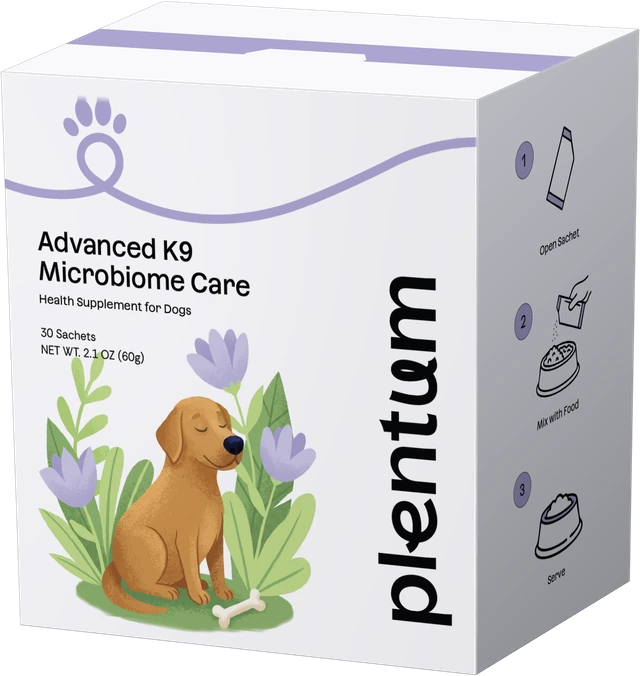
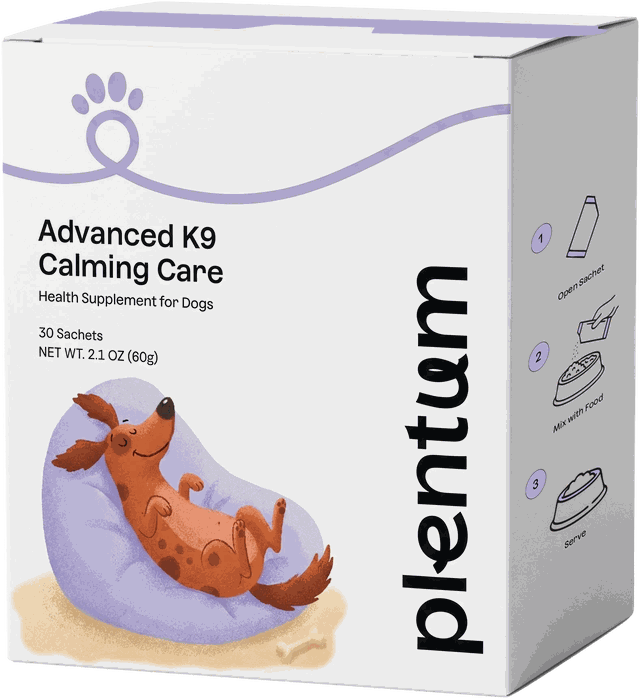
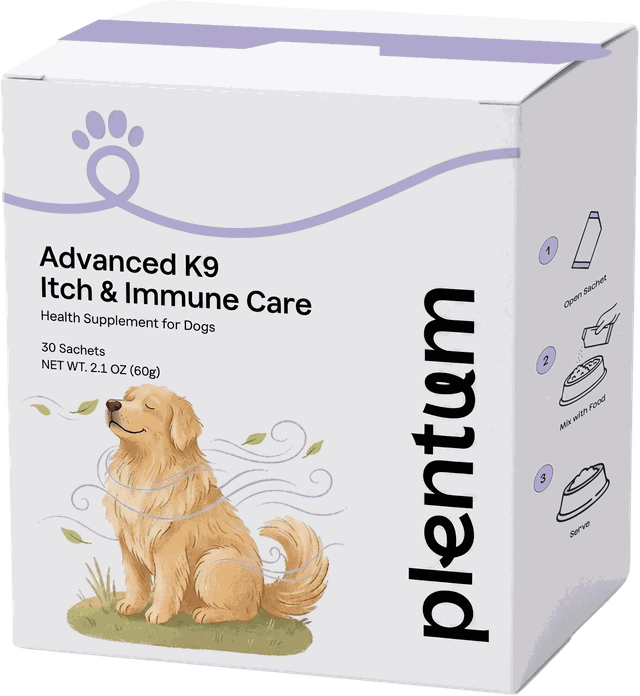
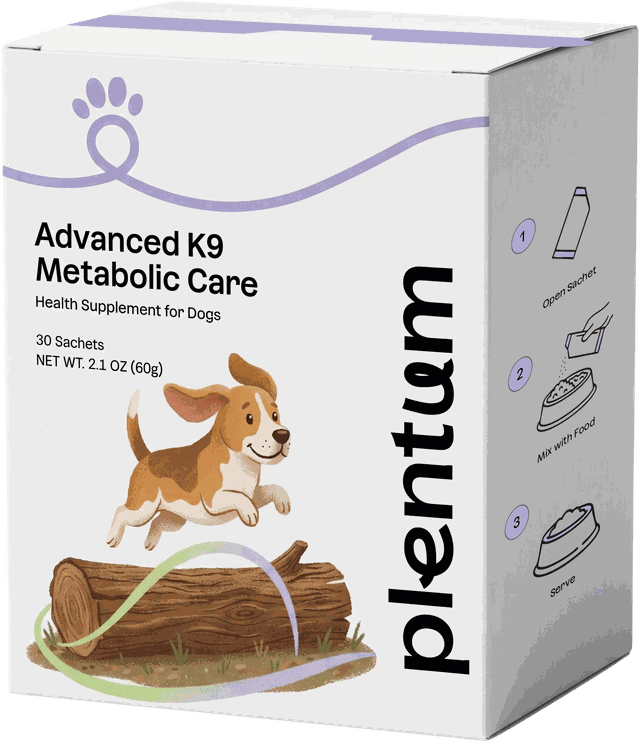
Plentum discusses daily support through postbiotic plus prebiotic nutrition context. It should not be described as a probiotic.
Evidence Map
| Research area | What the evidence can support | What to check before using it |
|---|---|---|
| Label basics | Clear labels name active ingredients, amounts, serving instructions, cautions, and contact information. | Avoid vague blends and pages that hide practical details. |
| Quality programs | Supplement quality systems can include audit programs, lot controls, and adverse-event reporting. | Look for real quality signals rather than decorative badges. |
| Claim discipline | Pet supplement copy should avoid disease-style promises and respect veterinary care boundaries. | Prefer support language with clear limits. |
Practical Takeaways
- This is the safest hub for evaluating all pet supplement categories.
- Public research should stay focused on science, label quality, and pet-care usefulness.
- Plentum’s strongest trust signal is disciplined label and claim language.
Veterinary boundary: Persistent diarrhea, vomiting, blood in stool, appetite change, weight loss, pain, sudden behavior change, dental pain, lameness, medication use, pregnancy, nursing, puppies, kittens, senior pets, or pets with known health conditions should be discussed with a veterinarian.
How to Use This Research
Use this page to ask better questions about ingredient class, serving size, label clarity, quality controls, storage, and daily routine fit. A strong supplement page should make the decision easier without making medical promises.