




Can Dogs Eat Salmon? Benefits, Raw Fish Danger and Safe Preparation

Cooked salmon is one of the best foods for dogs — omega-3 rich and packed with protein. Raw salmon can carry a fatal parasite. Learn safe preparation, bone removal, and serving sizes.

can dogs eat salmon — Plentum


Quick Answer: Yes, cooked salmon is one of the most beneficial foods you can share with your dog. Packed with omega-3 fatty acids, high-quality protein, and essential vitamins. Raw salmon is dangerous — it can carry a parasite causing potentially fatal Salmon Poisoning Disease. Always cook salmon fully.

Why Salmon Is Exceptional for Dogs

Among all foods you can add to your dog's diet, salmon stands out as one of the most nutritionally impactful. It is the primary dietary source of long-chain omega-3 fatty acids: EPA (eicosapentaenoic acid) and DHA (docosahexaenoic acid) — found in high concentrations in cold-water fish and documented to provide significant health benefits for dogs in multiple peer-reviewed studies.

Health Benefits of Salmon for Dogs

Skin and coat health — omega-3 fatty acids reduce inflammatory responses in the skin, support the natural oil layer that keeps coats shiny, and reduce shedding and dry, flaky skin. Dogs with seasonal allergies or skin sensitivities often show significant improvement with regular omega-3 supplementation. See our dog allergy supplement guide for more on dietary approaches to skin health.

Joint health — EPA and DHA have anti-inflammatory effects that support joint comfort and mobility, particularly in older dogs or breeds prone to joint issues. Clinical research has demonstrated improvements in mobility in arthritic dogs supplemented with omega-3 fatty acids.

Brain and cognitive function — DHA is a structural component of brain tissue, essential for normal brain development and function. Particularly important in puppies during development and in senior dogs facing cognitive aging.

Heart health — omega-3 fatty acids support healthy heart rhythm, healthy triglyceride levels, and cardiovascular function.

Beyond omega-3s: high-quality complete protein, vitamin B12, vitamin D, selenium (antioxidant and thyroid health), and potassium.

Raw Salmon: A Real Danger

Never give dogs raw salmon. Raw Pacific salmon can carry a parasite that causes Salmon Poisoning Disease (SPD) — potentially fatal without treatment.

Raw salmon can carry a fluke (parasitic flatworm) called Nanophyetus salmincola. This fluke can be infected with Neorickettsia helminthoeca, which causes Salmon Poisoning Disease. SPD is severe and potentially fatal. Symptoms appear 5-7 days after ingestion: vomiting, diarrhea (often bloody), lethargy, high fever, swollen lymph nodes. Without treatment, SPD has a high mortality rate. With prompt antibiotic treatment, most dogs recover fully.

Fully cooking salmon to an internal temperature of 145F (63C) kills both the fluke and the associated organism. Smoked salmon is also problematic — cold-smoked salmon is not cooked to a safe temperature and most commercial smoked salmon contains very high sodium levels.

How to Prepare Salmon for Dogs

Best preparation: Plain baked, poached, or steamed salmon with no seasonings. Lemon, dill, garlic butter, and other common salmon preparations are off-limits for dogs.

Remove all bones: Pin bones in salmon are small and numerous. Run your finger along the flesh and remove them with tweezers. A bone lodged in your dog's throat or GI tract is a veterinary emergency.

Serving size: Small dogs (under 25 lbs) — 1-2 oz; medium dogs (25-50 lbs) — 2-4 oz; large dogs (50+ lbs) — 4-6 oz per serving. Once or twice a week is ideal.

Salmon and Your Dog's Gut Health

The anti-inflammatory effects of salmon's omega-3 fatty acids extend to the gut. Omega-3s help maintain the integrity of the gut barrier and modulate the inflammatory environment in the intestinal tract, supporting overall digestive health and comfort.

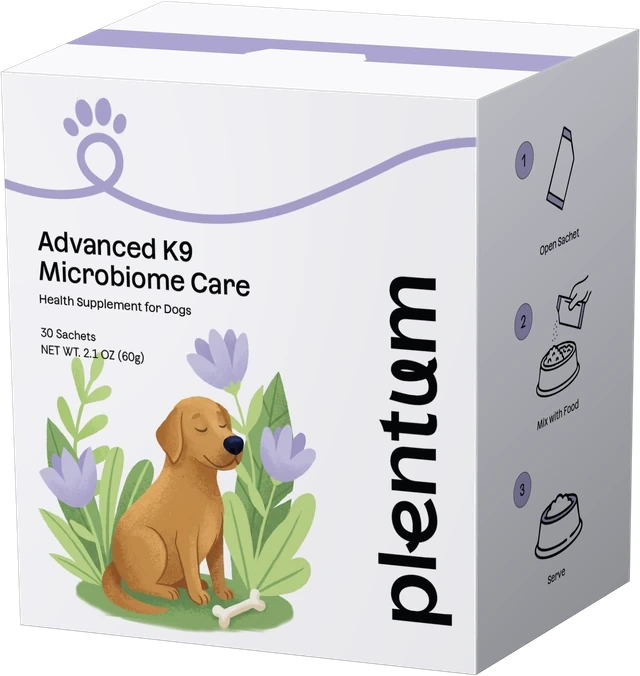
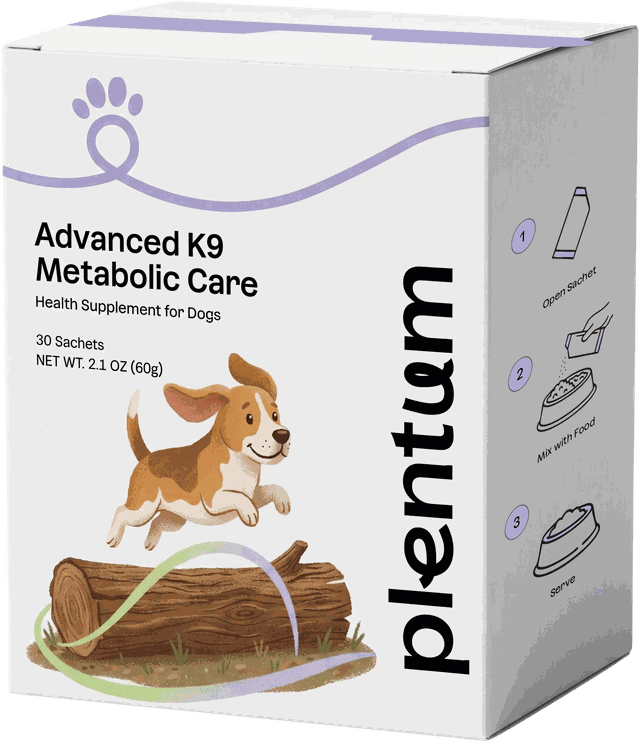
For complete gut health support, combine the anti-inflammatory omega-3s from salmon with a daily probiotic sachet like Plentum's Advanced K9 Microbiome Care, which provides canine-specific probiotics, prebiotic fiber, and a proprietary postbiotic blend. Rated 5★ by 5,185+ dog parents. Read our dog gut health guide.

Frequently Asked Questions

Can dogs eat raw salmon?

No. Raw salmon can contain Neorickettsia helminthoeca, the organism responsible for Salmon Poisoning Disease (SPD) — a potentially fatal condition in dogs. Always fully cook salmon before giving it to your dog. Smoked salmon is also problematic due to high sodium content.

How often can I give my dog salmon?

Once or twice a week is an excellent frequency for cooked, plain salmon as a treat or food topper. Regular salmon consumption supports skin health, coat quality, joint health, and brain function through sustained omega-3 provision.

Can dogs eat canned salmon?

Plain canned salmon (in water, no added salt) is safe for dogs. It is convenient and already cooked. Avoid canned salmon packed in oil or with added salt, sauces, or seasonings.

What is the difference between salmon oil and feeding salmon directly?

Salmon oil provides concentrated omega-3 fatty acids without the fish protein. Whole cooked salmon provides both omega-3s and high-quality protein. Both are beneficial; whole salmon adds texture and palatability as a treat.

Can puppies eat salmon?

Yes, cooked salmon is excellent for puppies. DHA is particularly important for brain and eye development. Introduce small amounts of fully cooked, plain salmon after 8 weeks of age and monitor for any allergic response.

This article is for educational purposes only. If your dog has eaten raw salmon and develops symptoms consistent with Salmon Poisoning Disease, contact your veterinarian immediately.

Support your dog's health with Advanced K9 Microbiome Care — the postbiotic supplement trusted by 5,185+ dog parents. One sachet a day.

Plentum supplements are not intended to diagnose, treat, cure, or prevent any disease. Consult your veterinarian before starting any new supplement regimen.

Your Next Read Awaits