









Watermelon is about 92% water, which explains why dogs lose their composure over a cold cube on a hot day. Share it, with one condition: every seed and all of the rind come out first.
A few small cubes make a good treat after a long walk. If your dog has a health condition, check with your vet before making it a habit.
- The red flesh of watermelon is a safe, hydrating treat for most dogs when it is served plain.
- Remove every seed, or choose seedless watermelon, to lower the risk of a blockage.
- Always take off the rind. It is tough, fibrous and hard for dogs to digest.
What to remove before serving
Remove the seeds first. Black seeds can build up in the intestinal tract and cause a blockage, particularly in small dogs. Pick out every one you see, and don't assume the white ones are harmless. They're still seeds.
Then remove the rind. It's tough, very hard for dogs to digest, and can cause vomiting, diarrhea or, in severe cases, an intestinal obstruction.
Cut the flesh completely away and don't leave a thin strip of green behind. Wash the outside of the melon before you cut, so whatever is on the skin doesn't ride the knife into the flesh.

Is watermelon safe for dogs?
The red flesh is safe for most dogs, and in hot weather it's one of the most hydrating treats you can hand over. It's cold, juicy and comes with no added salt or sugar.
Seedless is the easy route: buy a seedless melon, cut away the rind and serve the flesh. With a regular watermelon, you're the seed filter.
How much watermelon can dogs eat?
Portion size matters more than most owners expect. Use this as a starting point and adjust for your dog's age, body condition and daily food.
| Dog Size | Safe Amount | Frequency |
|---|---|---|
| Small (under 25 lbs) | 1–2 small cubes | A few times per week |
| Medium (25–50 lbs) | 3–4 cubes | A few times per week |
| Large (50–100 lbs) | ½ cup cubed | A few times per week |
| Giant (100+ lbs) | ¾ cup cubed | A few times per week |
Mostly water or not, too much at once can cause diarrhea, because the fiber and natural sugar add up fast. Start with a single cube, watch your dog's stool for a day, and only then give more.

A few times a week is plenty, and it counts toward the treat allowance.
How to serve watermelon
Cut the flesh into bite-sized cubes. Serve it fresh, or frozen for a cooling treat.
Skip watermelon-flavored products with artificial sweeteners, and don't add salt, sugar or spices.
For a summer project, blend the flesh with a little water and freeze it in ice cube trays. Keep the cubes small so your dog eats them slowly.
What watermelon offers besides water
- Hydration, and plenty of dogs find it more appealing than plain water on a warm day.
- Lycopene, the antioxidant that gives watermelon its red color.
- Vitamin A, needed for normal vision, healthy skin, and immune function.
- Vitamin C, an antioxidant that plays a part in normal immune function.
- Low calories, about 46 calories per cup, so it fits a treat plan, even for dogs watching their weight.
Watermelon adds water and a little variety, but it can't stand in for complete, balanced dog food.
Watermelon and your dog's gut
Watermelon brings some gentle fiber and a lot of water. Both can support normal digestion when the fruit is part of a balanced diet.
It also contains citrulline, an amino acid researchers find interesting, though the evidence in dogs is limited. That's a nice bonus, not a reason to hand over extra.
Where supplements fit
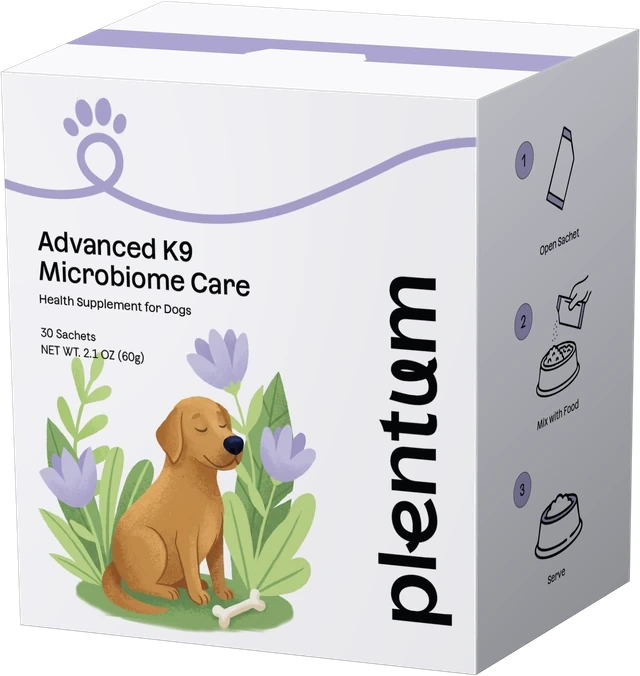
A supplement never replaces fresh water or a balanced diet. Some owners add a daily one to their dog's routine, which is a separate decision from the watermelon. If your dog takes medication or follows a prescribed diet, run anything new past your vet.
Veterinary reference
The WSAVA Global Nutrition Guidelines are the shared feeding reference vet teams use. Your vet can apply them to your dog's history.
Frequently asked questions
Can dogs eat watermelon seeds?
No, black seeds can build up and cause a blockage, especially in small dogs, so pick them out first.
Is seedless watermelon safer for dogs?
It takes the seed problem off the table, which is the one owners miss most often. The rind still has to go.
How much watermelon can my dog eat?
Small dogs under 25 lbs can have one or two small cubes, and giant dogs up to three-quarters of a cup cubed.
Can watermelon upset my dog's stomach?
Yes, if the portion is too big. Loose stools are the usual result, so stop if vomiting or diarrhea shows up.