





If your dog's stomach has been off and there's a human probiotic sitting in your cabinet, it's tempting to scoop some out. In most cases, though, a product built for dogs is the better fit. Dogs and people share some bacterial groups, but a dog's gut has a shorter intestine for its body size, a more acidic stomach and faster transit. Before you buy, look for named strains and canine data.
Three things to know about canine-native strains
- "Canine-native" and "canine-sourced" describe different things, and a good label says which one applies.
- Human probiotic strains can be safe for dogs, but safety and effectiveness are different standards.
- Persistent loose stools, blood, vomiting or weight change need a veterinary check before any supplement.
How a dog's gut differs from yours
Your dog's digestive tract runs on a carnivore's blueprint. Next to yours, it has a shorter intestine for its size, a stomach that stays more acidic between meals, and food that moves through faster. The microbes lean toward species that ferment protein and fat, and the fiber-fermenting crowd that runs the human colon plays a much smaller part.
Studies comparing the two species find that the phyla Firmicutes and Bacteroidetes dominate in both. Down at the species level, they split. Dog guts can hold high amounts of Fusobacterium, Clostridiales and Peptostreptococcaceae, which are minor or absent in healthy adult humans.
The Bifidobacterium-rich communities common in human probiotics fill a much smaller niche in the typical dog gut. That's worth remembering when you wonder whether a human probiotic can do much in a dog.
A probiotic only helps if its strains survive the trip, attach to the intestinal lining and get along with the bacteria already living there. A strain tuned for a human gut can hit real barriers in a dog: acid, attachment and competition from the residents.
For a wider look at what a well-working dog gut looks like, read Dog Gut Health: Why Your Pup’s Digestion Matters. It covers diet, stress and routine, which shape the gut before any supplement comes into it.

What "canine-native" and "canine-sourced" mean
Labels use these two terms, sometimes interchangeably. They're not the same thing, and knowing the difference makes a label much easier to read.
Canine-sourced strains
A canine-sourced strain was first isolated from the gut of a healthy dog. Its genetics, surface proteins and metabolism were shaped by a long history in canine intestines, so giving it to a dog is a bit like sending it home.
The label tells you where the culture came from. It doesn't tell you how the strain performs in a dog today, so look for evidence too.
Canine-native strains
"Canine-native" is slightly broader. It usually means strains that naturally live in the dog gut, whether or not the commercial isolate came directly from a dog. Such a strain is known to cope with canine gut conditions, including the pH range, bile salt levels and mucin makeup of the dog's intestine.
A strain can be canine-native without being canine-sourced, if its species colonizes dogs well and has been tested in canine models. The distinction matters most when you weigh the evidence: a strain tested only in people hasn't been shown to work in dogs, even if its species lives in both microbiomes.

Three ways a human probiotic can miss
Human-market probiotics are formulated, tested and encapsulated for human bodies. Any one of these mismatches can cut down what a strain does in a dog.
The strain may not grip a dog's gut
A Lactobacillus acidophilus strain in a human supplement was probably isolated from human intestinal or vaginal tissue. Its surface adhesins, the molecular hooks that grip the gut lining, are shaped by human mucin glycoproteins. Canine mucins are built differently, so the strain may bind less well in a dog.
Dog stomach acid is sharper
Dogs generally have a more acidic stomach than people at rest. Resting pH is often 1 to 2.5 in dogs, compared with roughly 1.5 to 3.5 in people, though it varies between individuals.
Human-market strains are selected and tested for survival at human stomach pH. Nothing guarantees the same strain tolerates a dog's sharper acid, which is why canine data matters.
The dose is timed for a slower gut
Human probiotic servings are built around human transit time. Dogs move food through the intestine faster, so the window for colonization is shorter, and a dose timed for a slower system may pass through before it does much.
Delivery format matters too, since powder, capsule and coating choices should suit a dog's gut.
None of this means a human probiotic will hurt your dog, and most are considered safe for dogs. Safe and effective are different bars, though, and a product built for canine biology is the better pick for gut support.
Best Dog Probiotics 2026: 5 Tested Picks That Actually Work looks at which products meet this bar and how each was judged.

Strains that show up in both
A few strains appear in human and dog products. That doesn't mean each has been proven in both, so read each claim in context.
Enterococcus faecium SF68 is one of the better-studied strains in veterinary settings. It has been used in human and canine work, and it's reported to colonize the dog gut more reliably than many Lactobacillus strains.
Bacillus coagulans is a spore-forming species. Spores tolerate the broad pH range across mammalian digestive tracts, which is why it shows up in both human and dog supplements.

Reading the label in 2026
One clear sign of quality is whether a brand names more than the genus and species. Two strains of one species can behave very differently. Lactobacillus acidophilus LA-5 isn't the same product as Lactobacillus acidophilus NCFM, for example. A good label also shows whether that exact strain has peer-reviewed canine data.
A label that says only "Lactobacillus acidophilus 500 million CFU" with no strain ID can't be judged for canine-native status. Ask the maker for more detail before you buy.
What to look for:
- Strain names on the label, such as Lactobacillus rhamnosus GG or Bifidobacterium animalis AHC7
- A certificate of analysis (COA) the maker will share on request
- Canine trial data you can actually read, not just human studies cited by analogy
Human vs canine-native probiotics
This table is a simplified guide for reading labels and asking questions, not a full scientific review.
| Factor | Human-market probiotic | Canine-native probiotic |
|---|---|---|
| Strain origin | Human GI or dairy isolate | Isolated from healthy dogs or validated in canine models |
| Gastric acid tolerance | Validated at human pH (1.5–3.5) | Tested against canine pH (often 1–2.5) |
| Adhesion to host mucin | Optimized for human mucin structure | Adhesins shaped by canine mucin chemistry |
| Efficacy evidence | Human trials; canine data rare or absent | Canine trials or validated canine challenge studies |
| Safety for dogs | Generally safe; not harmful | Safe and biologically appropriate |
| Dose design | Calibrated for human transit time (~48–72 h) | Calibrated for canine transit (~12–30 h) |
| Regulatory standard | Human supplement (DSHEA / EU NHP) | Animal supplement (FDA-CVM oversight) |
For most owners, the evidence and strain origin rows matter most, because they show whether the claims rest on dog data.
Five supplements, each aimed at a different need
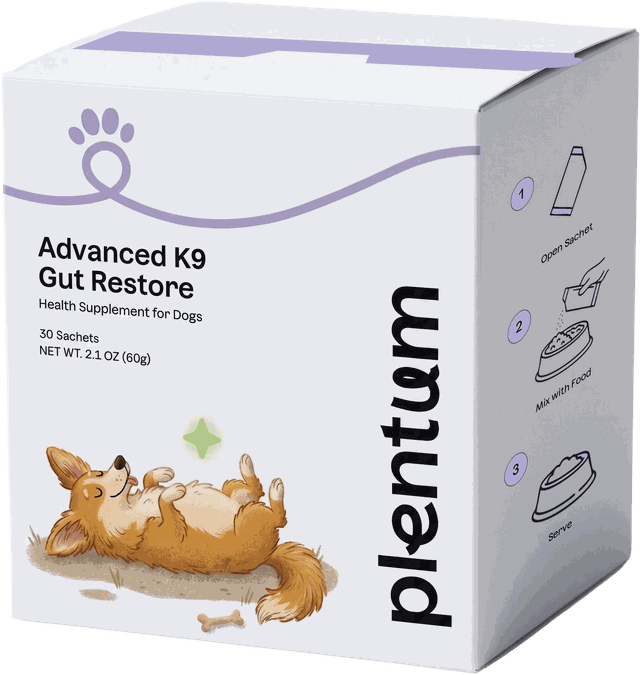
- Gut RestoreFits this guide It supports normal bowel function and healthy stool consistency, and helps maintain a balanced gut. From $1.50/day
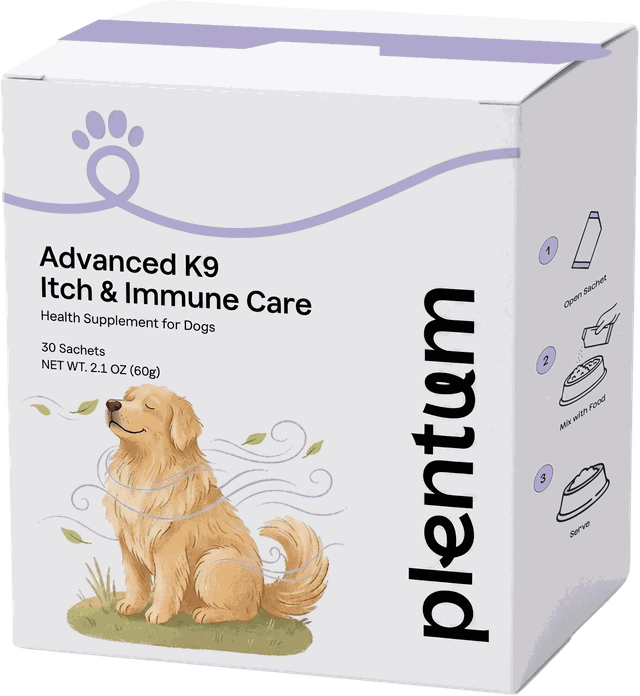
- Itch & Immune Care It supports a normal immune response to environmental and seasonal triggers, and helps maintain a healthy coat. From $1.50/day
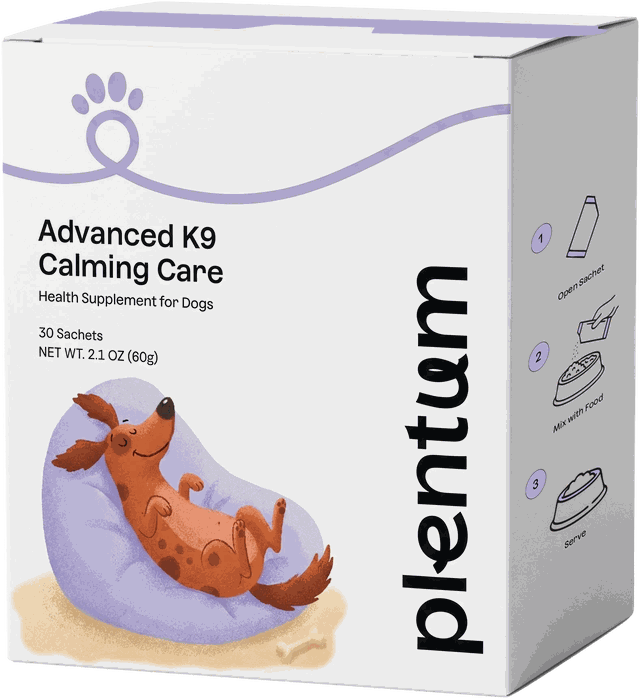
- Calming Care It supports a calm, relaxed demeanor during occasional situational stress such as storms, travel, or vet visits. From $1.50/day
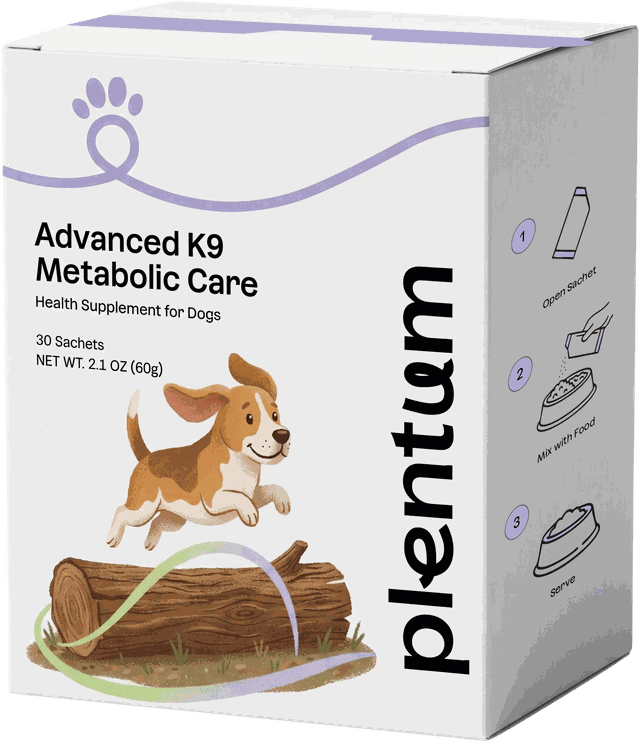
- Metabolic Care It supports healthy weight management alongside measured portions and daily exercise. From $1.50/day
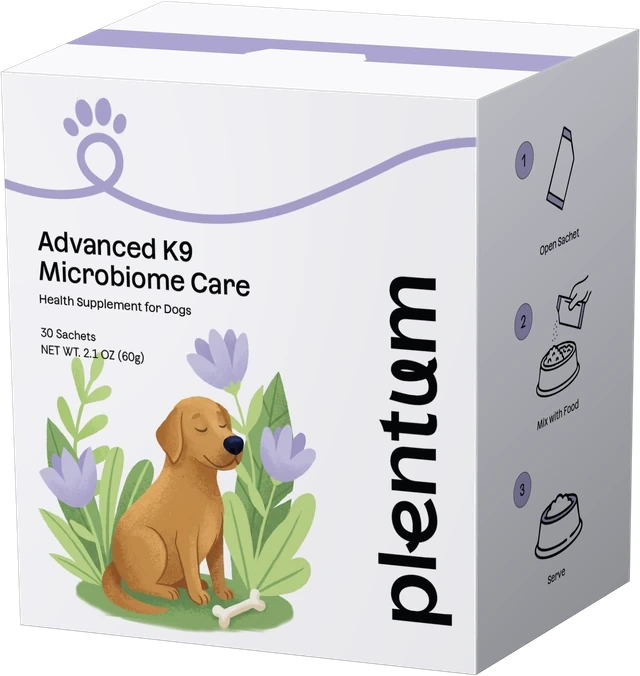
- Microbiome Care It’s a daily powder with a postbiotic and prebiotic foundation, plus colostrum and omega-3, to support gut, oral, skin, and coat health. From $1.17/day
Where postbiotics fit
Unlike live probiotics, postbiotics don't need to survive stomach acid, colonize the gut or compete with the resident microbiome. They deliver bioactive compounds such as short-chain fatty acids, cell wall fragments and signaling molecules directly, whatever the dog's gut community looks like.
That could matter in a few situations. A dog who just finished antibiotics may have a disrupted gut where colonization is harder. Dogs with sensitive digestion, and older dogs whose microbiomes may be less receptive to new strains, may also suit a product that doesn't rely on colonizing.
Postbiotics don't replace a complete, balanced diet or a vet's care for a diagnosed condition. Think of them as one option in a wider plan your vet can review.
How to choose
Ask for canine strain evidence
The most useful filter is whether the brand can point to canine trial data for its main strains. Studies in other animals and in people are good background, but they aren't dog evidence.
Consider your dog's current gut status
A dog with a stable microbiome may do well on a live canine-native probiotic alongside prebiotics. A dog who recently finished antibiotics, or shows signs of gut disruption, may be better served by a layered approach: a postbiotic first to support the gut environment, then live strains once the gut is more receptive. Your vet can help you choose the order.
Read the label with a skeptical eye
Vague claims like "billions of CFU from naturally sourced cultures" are marketing. Look for the strain, the dose at the point of use, the storage instructions and the maker's contact details.
Talk to your vet about ongoing concerns
Persistent loose stools, blood in the stool, big weight changes or chronic vomiting need a vet exam before any supplement. Conditions like inflammatory bowel disease need a diagnosis and a management plan from your vet.
Breed considerations
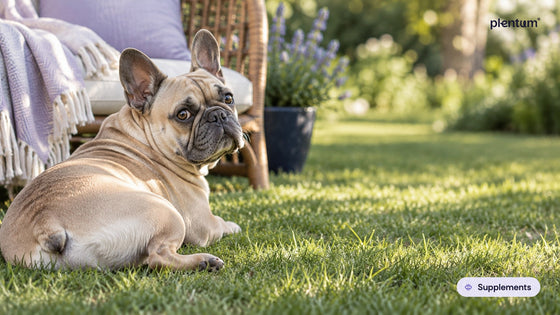
Gut patterns may vary a bit by breed. Short-nosed breeds like the French Bulldog are sometimes reported to have more gut sensitivity, though the evidence is limited. If you have one, give your vet the full history.
Where supplements fit
A probiotic or postbiotic sits on top of a sound routine. Fresh water, a consistent diet, regular exercise and a calm home do most of the everyday work.
Primary veterinary reference
Use this owner guide alongside the WSAVA Global Nutrition Guidelines and the advice of the vet who looks after your dog. Your vet can apply them to your dog's history.
Frequently asked questions
Is a human probiotic the best probiotic for dogs?
In most cases a product built for dogs is the better fit. A human probiotic may be safe for a dog, but the dog gut differs in acidity, transit time and species makeup. A canine-native product with named strains and canine data is easier to judge.
What does canine-native mean on a probiotic label?
It usually means a strain that naturally lives in the dog gut, or is known to cope with canine gut conditions. It doesn't always mean the culture was taken from a dog, so look for a named strain and canine trial data.
Can I give my dog a human probiotic?
Many human probiotics are considered safe for dogs, but safe isn't the same as effective. Ask your vet before you start anything new, especially if your dog has a health condition or takes medication, and change one thing at a time.
Are dog-specific supplements just overpriced versions of human ones?
Sometimes, especially for plain single-ingredient products, so be skeptical of a markup that only comes from a dog on the label. What can justify the cost is a strain chosen for dogs, a serving sized by weight and no added sugars or flavors. Compare the amounts per serving on each label.
Are postbiotics a better choice after antibiotics?
They can be an option because they don't need to colonize the gut. A dog who has finished antibiotics may still have a disrupted gut, so your vet may suggest a postbiotic first and live strains later. The right order depends on your dog, so ask before you decide.