




What Makes a Dog's Skin Barrier Strong (and What Weakens It)

A plain-language guide to canine skin barrier structure, lipids, hydration, stressors, and inside-out nutritional support for your dog.


Your dog's skin does more than hold everything together. It is a living, layered system that keeps moisture in, irritants out, and the immune system calibrated. When it works well, you probably never think about it. When it starts to break down, you see it quickly: dull coat, flaking, relentless scratching, or skin that feels rough and tight to the touch.

Understanding what the skin barrier actually is — and what pushes it toward failure — gives you a real framework for supporting your dog's skin from the inside and the outside. This article walks through the science in plain language, so you can make informed decisions rather than chasing products that treat symptoms without addressing the cause.


The Architecture of Canine Skin: A Layered Defense

Think of your dog's skin as a layered fortress rather than a single wall. Each layer has a different job, and the barrier function you care about most lives at the outermost zone, called the stratum corneum.

The Stratum Corneum: Bricks and Mortar

The stratum corneum is made up of flattened, protein-rich cells called corneocytes — these are the "bricks." Surrounding them is a carefully composed mixture of lipids (fats): ceramides, cholesterol, and free fatty acids. This lipid mixture is the "mortar."

The ratio of these lipids matters. When the mortar is intact, it forms a near-impermeable seal that:

  • Prevents water from evaporating out of the skin (called transepidermal water loss, or TEWL)
  • Blocks environmental irritants, allergens, and microbes from penetrating inward
  • Regulates the pH of the skin surface, which keeps beneficial microorganisms in balance

Dogs naturally have a slightly more alkaline skin pH than humans (closer to 7, versus the human range of 4.5–5.5). This difference is important: it shapes which microbes thrive on the surface and how tolerant the skin is to disruption.

Deeper Layers: Where the Skin Builds Itself

Below the stratum corneum, the living layers of the epidermis are constantly producing new cells that migrate upward, mature, flatten, and eventually become the corneocytes that form the barrier. This renewal cycle takes roughly three to four weeks in a healthy dog. When the cycle is disrupted — by inflammation, poor nutrition, or environmental stress — you get incomplete or fragile barrier cells that cannot do their job properly.

The dermis beneath the epidermis provides structural support through collagen and elastin, houses hair follicles and sebaceous (oil) glands, and delivers nutrients via blood vessels. The sebaceous glands secrete sebum, a waxy oil that coats the hair shaft and contributes additional lipids to the surface barrier.


The Role of Lipids and Hydration in Barrier Strength

Why Ceramides Are Central

Of the lipids in the stratum corneum, ceramides are the most structurally important. They make up roughly half of the lipid content by weight. Ceramides are not simply passive filler — they align in ordered bilayers that create the physical seal against water loss. When ceramide levels drop or their structure is disrupted, gaps form in the mortar, and the barrier becomes leaky in both directions.

Several factors affect ceramide production:

  • Essential fatty acid availability: Linoleic acid (an omega-6 fatty acid) is a direct precursor to certain ceramide classes. Dogs cannot synthesize it and must obtain it from diet.
  • Inflammation: Ongoing skin inflammation triggers enzymes that break down ceramide faster than it can be replaced.
  • Breed genetics: Breeds like West Highland White Terriers and Golden Retrievers may have inherent differences in lipid composition that affect barrier resilience.

Transepidermal Water Loss (TEWL): The Leakiness Metric

Veterinary dermatologists often measure TEWL as a proxy for barrier integrity. A healthy barrier holds water inside the skin, keeping the tissue plump, supple, and well-hydrated. A compromised barrier allows water to escape freely, leaving the skin dry and more reactive to environmental triggers.

Once TEWL increases, a self-reinforcing cycle can begin: drier skin is less able to maintain the lipid structure needed for sealing, so it loses more water, which leads to more dryness. Breaking this cycle requires addressing both hydration and lipid support simultaneously.

Fatty Acids and the Inside-Out Picture

Omega-3 and omega-6 fatty acids support the barrier through several mechanisms. Omega-3s — particularly EPA and DHA found in marine sources — help modulate the inflammatory signals that can degrade ceramide. Omega-6 fatty acids, especially linoleic acid, provide the raw materials for ceramide synthesis. For a deeper look at how these fats differ by source, the article on plant-based vs. marine omega-3s for dogs covers the practical implications in detail.

Many veterinarians suggest that the ratio of omega-6 to omega-3 in the diet matters as much as the absolute amounts. A diet heavily skewed toward omega-6 (common in many commercial dry foods) without sufficient omega-3 to balance it can tilt the skin's inflammatory baseline in an unfavorable direction.


Factors That Stress the Skin Barrier

Knowing what weakens the barrier is as important as knowing what builds it. Several common factors, some obvious and some easy to overlook, put the stratum corneum under sustained pressure.

Over-Bathing and Harsh Shampoos

Bathing removes dirt and excess oil, but it also strips some of the lipid mortar from the stratum corneum. Surfactants in shampoos (the ingredients that create lather) work by dissolving fats — which is exactly what you want for cleaning, but also means they temporarily reduce the lipid seal.

In a dog with a healthy barrier, the lipid layer replenishes within 24–48 hours after bathing. In a dog with compromised skin, recovery is slower, and frequent bathing can keep the barrier in a persistently weakened state.

General guidance from veterinary dermatologists:

  • For healthy dogs, bathing every 4–6 weeks is typical unless there is a specific medical reason for more frequent bathing
  • Use shampoos formulated with a pH appropriate for dogs (near neutral, not the acidic formulas designed for human skin)
  • Rinse thoroughly — residue from shampoos is more disruptive than the water itself
  • Avoid human shampoos, dish soap, or any product not specifically formulated for canine skin

Dry Air and Environmental Humidity

The stratum corneum relies partly on ambient humidity to maintain its own moisture content. In very dry environments — heated indoor air in winter is a common example — water evaporates from the skin surface faster than normal. Over time, this can reduce the flexibility of the corneocyte layer, lead to micro-cracking, and increase TEWL.

Dogs with shorter coats, single-layer coats, or thinner skin (such as small breeds or hairless breeds) tend to notice the effects of dry air more acutely. Using a humidifier in rooms where a dog spends most of its time can reduce the environmental load on the barrier, particularly during winter months in dry climates.

Nutritional Deficiencies

The skin barrier is metabolically active. Building and renewing the stratum corneum requires a steady supply of:

  • Protein: Corneocytes are built from keratin, a fibrous protein. Dogs eating low-protein diets, or diets with poor protein digestibility, may not have sufficient amino acids for normal skin cell turnover.
  • Zinc: Zinc is required for dozens of enzymatic processes in the skin, including the production of ceramide and the normal maturation of epidermal cells. Zinc-deficiency dermatosis is a recognized condition in dogs, particularly in certain Arctic breeds.
  • Vitamin A: Supports normal cell differentiation in the epidermis. Too little vitamin A disrupts the orderly progression of cells from basal layer to stratum corneum.
  • Vitamin E: An antioxidant that protects skin cell membranes from oxidative damage, especially relevant in dogs exposed to UV light or high levels of dietary polyunsaturated fats.
  • Essential fatty acids (linoleic acid, alpha-linolenic acid): As noted above, these are direct structural inputs to the lipid barrier.

When choosing a diet or supplement, look at the full nutritional profile rather than a single highlighted ingredient. The article on how to choose a vitamin and mineral supplement for your dog provides a practical framework for evaluating what a product actually delivers.

Chronic Inflammation and Allergies

Skin inflammation and barrier weakness are closely intertwined. Inflammation degrades ceramide, disrupts the pH balance, and accelerates cell turnover in ways that produce immature, less effective corneocytes. At the same time, a weakened barrier allows allergens to penetrate more easily, which triggers more inflammation — a cycle that can be difficult to interrupt.

Environmental allergens (pollen, dust mites, mold), food sensitivities, and contact irritants can all initiate or sustain this cycle. The connection between gut function and skin inflammation adds another layer of complexity: the gut is involved in regulating systemic inflammatory tone, and disruptions to gut health can show up at the skin surface. The article on the link between gut health and skin conditions in dogs explores this connection further.

Parasites and Secondary Infections

Fleas, mites (sarcoptic and demodectic mange), and other parasites physically damage the skin and trigger intense local inflammation. The scratching and biting that follows causes further mechanical disruption to the stratum corneum. Bacterial and yeast overgrowth can follow in areas where the barrier has been compromised, because the altered surface pH and reduced antimicrobial peptide function create a more hospitable environment for opportunistic microbes.

If your dog is scratching intensely, has visible skin lesions, or develops a skin odor that is new, a veterinary examination is the right starting point — these are signs that need professional assessment rather than home management alone.

Breed-Specific Vulnerability

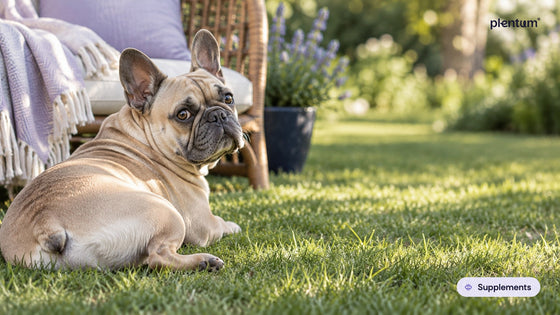
Some breeds carry inherited differences in skin barrier function. Bulldogs, French Bulldogs, and other brachycephalic breeds tend to have more skin folds that trap moisture and create favorable conditions for microbial overgrowth. West Highland White Terriers are prone to Malassezia dermatitis. Labrador Retrievers and Golden Retrievers have higher rates of atopic dermatitis linked in part to ceramide abnormalities. Knowing your breed's common skin vulnerabilities allows you to be proactive rather than reactive.


Comparing Barrier Stressors at a Glance

Stressor Primary Mechanism of Damage Most Affected Dogs Practical Mitigation
Over-bathing / harsh shampoos Lipid stripping, pH disruption Any breed bathed frequently Extend intervals; use dog-specific pH-balanced products
Dry indoor air Elevated TEWL, micro-cracking Short-coated, small breeds; dogs in dry climates Humidifier in main living areas during winter
Essential fatty acid deficiency Reduced ceramide synthesis Dogs on low-fat or low-quality diets Diet review; omega-3/6 balance assessment
Zinc deficiency Disrupted cell maturation Huskies, Malamutes; dogs with absorption issues Dietary zinc assessment; vet guidance if deficiency suspected
Chronic inflammation / atopy Ceramide degradation, allergen penetration Atopic breeds (WHTerriers, Labs, Goldens) Allergen reduction; anti-inflammatory nutritional support; vet evaluation
Parasites / secondary infection Mechanical disruption; pH shift Any unprotected dog Regular parasite control; prompt veterinary attention for lesions

The Inside-Out Support Picture

There is a tendency to think of skin health as a topical problem — something you treat with creams, sprays, or medicated shampoos. These tools have their place, but a strong skin barrier is built from the inside, through what your dog eats and how their body manages inflammation.

Diet as the Foundation

A complete and balanced diet that delivers adequate protein, essential fatty acids, zinc, vitamins A and E, and biotin gives the skin what it needs for normal turnover and lipid production. Deficiencies in any of these nutrients, even subtle ones, can show up at the skin surface over time.

Dogs with known food sensitivities may benefit from a diet trial under veterinary guidance. Identifying and eliminating a food trigger removes a major source of ongoing skin inflammation and allows the barrier to stabilize. For thoughts on evaluating diet quality for overall digestive and skin health, the article on what to look for in dog food for gut health is a useful reference.

The Gut-Skin Connection

The gut and the skin are more connected than they appear. The gut houses a large portion of the body's immune cells, and the signals that emerge from the gut influence systemic inflammation — including at the skin level. When gut microbial balance is disrupted, inflammatory signaling can shift in ways that make the skin more reactive.

Supporting gut health through diet, appropriate fiber sources, and well-chosen supplements can complement what you are doing topically for skin health. Many veterinarians take an integrated approach that considers both the skin and the gut when managing chronic skin conditions. The article on how probiotics help dogs with skin conditions and allergies covers some of this terrain if you want to explore the gut-skin link further.

Where Supplements Fit

Supplements can support and maintain healthy skin barrier function when diet alone is not filling the gap — whether due to the dog's individual needs, breed predispositions, or life stage. The most evidence-supported categories for skin barrier support include:

  • Omega-3 fatty acids (EPA and DHA): Help modulate the inflammatory pathways that degrade ceramide, and complement the omega-6 fatty acids involved in ceramide production. For a broad overview of omega-3 considerations for dogs, see the article on omega-3 for dogs: why it matters and what to look for.
  • Zinc (in appropriate form and dose): Often included in comprehensive skin-supporting supplements; important not to over-supplement without veterinary guidance.
  • Vitamin E: Provides antioxidant protection for cell membranes, particularly relevant for skin exposed to UV radiation or dogs with elevated oxidative stress.
  • Biotin: A B-vitamin involved in fatty acid synthesis and cell proliferation; deficiency is associated with poor coat and skin quality.

When evaluating any supplement, look for transparent labeling, quality ingredient sourcing, and realistic claims. Supplements in this category support and maintain healthy skin function — they complement a good diet and appropriate veterinary care. If your dog has significant or worsening skin issues, talk to your veterinarian before starting new supplements, to rule out underlying conditions that require specific treatment.

Topical Support: When It Helps

Topical approaches — moisturizers, barrier-supporting sprays, leave-in conditioners formulated for dogs — can provide adjunct support, particularly in low-humidity environments or in the recovery phase after a skin flare. Look for formulations that include ceramides, glycerin, or other humectants. Avoid products with alcohol, synthetic fragrances, or astringents, which can further disrupt the barrier.

For significant dryness, cracking, or skin breakdown, a veterinary-grade topical may be more appropriate than an over-the-counter product. Your veterinarian can assess whether the skin surface needs a protective barrier, an antimicrobial component, or targeted treatment.


Practical Checklist: Supporting Your Dog's Skin Barrier

  • ☐ Review diet for complete protein, essential fatty acids (especially linoleic acid and omega-3s), zinc, and vitamins A and E
  • ☐ Limit bathing to appropriate frequency (every 4–6 weeks for most dogs); use dog-specific pH-balanced shampoos
  • ☐ Rinse shampoo thoroughly — residue is more disruptive than water alone
  • ☐ Monitor humidity in living areas; use a humidifier during dry winter months if needed
  • ☐ Keep up-to-date with parasite prevention to reduce mechanical barrier disruption
  • ☐ Note seasonal patterns — if your dog's skin worsens in certain seasons, environmental allergen exposure may be a factor
  • ☐ Support gut health alongside skin health — the two systems influence each other
  • ☐ If scratching is intense, skin lesions are visible, or a new odor has developed, book a veterinary appointment rather than managing it at home

When to Talk to Your Veterinarian

Many dogs experience occasional dry skin or a dull coat, especially with seasonal changes, and these often respond to dietary adjustments and environmental management. However, some signs warrant professional evaluation:

  • Persistent scratching, licking, or biting at specific areas that does not improve within a few weeks
  • Visible redness, thickening, darkening, or lichenification (a leathery texture) of the skin
  • Hair loss in patches or diffuse thinning
  • Any skin lesion that is weeping, crusting, or growing
  • Recurring ear infections alongside skin issues (often a sign of underlying atopy or food sensitivity)
  • Skin issues that started shortly after a diet change or a new product introduction

A veterinary dermatologist can perform skin scrapings, cytology, allergy testing, and other diagnostics that go far beyond what is possible at home. Starting there with persistent or severe issues is time-efficient and prevents the frustration of cycling through products that address the wrong cause.


Summary: A Strong Barrier Is Built Consistently

The canine skin barrier is not a single ingredient or a single intervention — it is the cumulative result of the right building blocks (lipids, proteins, vitamins, minerals), the right environment (appropriate humidity, minimal chemical disruption), and a well-regulated internal inflammatory state. Supporting it requires thinking about the whole dog: what they eat, how you bathe them, where they live, and how well their gut and immune system are functioning.

Research in this area is ongoing, and our understanding of the connections between nutrition, the gut microbiome, and skin barrier function continues to evolve. What is already clear is that the inside-out approach — starting with diet and internal support before reaching for topical solutions — tends to produce more durable results.

These statements have not been evaluated by the Food and Drug Administration. This product is not intended to diagnose, treat, cure, or prevent any disease.


Frequently Asked Questions

What is the skin barrier in dogs, and why does it matter?

The skin barrier refers primarily to the stratum corneum — the outermost layer of the skin — which is made up of protein-rich cells (corneocytes) held together by a lipid mixture of ceramides, cholesterol, and free fatty acids. This structure prevents water from evaporating out of the skin, blocks irritants and allergens from penetrating inward, and maintains the surface pH that keeps microbial balance in check. When the barrier is strong, the skin stays hydrated, supple, and resilient. When it is compromised, dogs can experience dryness, itching, increased sensitivity to environmental triggers, and a greater risk of secondary skin infections.

What causes a dog's skin barrier to weaken?

Several factors can stress or degrade the skin barrier. Over-bathing with harsh or poorly formulated shampoos strips the lipid mortar between skin cells. Dry indoor air — particularly in winter — increases transepidermal water loss and can lead to micro-cracking. Nutritional deficiencies in essential fatty acids, zinc, vitamins A and E, or protein impair the skin's ability to build and renew its barrier layer. Chronic skin inflammation, as seen in atopic dermatitis or food sensitivities, degrades ceramide faster than it can be replaced. Parasites and secondary infections add further mechanical and microbial stress. Breed genetics also play a role — some breeds have inherent differences in lipid composition that make their barriers more vulnerable.

Can diet and supplements support a dog's skin barrier?

Diet provides the foundational building blocks for skin barrier function: essential fatty acids (especially linoleic acid and omega-3s), zinc, biotin, and vitamins A and E are all involved in the production and maintenance of the lipid barrier and normal skin cell turnover. A complete and balanced diet addresses many of these needs, and supplements can help maintain healthy skin function where dietary gaps exist or where a dog's individual needs are higher — for example, in breeds predisposed to atopic skin conditions. Supplements in this area support and complement healthy skin function; they are not a substitute for veterinary care in dogs with significant or worsening skin issues. Talk to your veterinarian before starting supplements if your dog has ongoing skin concerns.

How does gut health affect a dog's skin barrier?

The gut and skin are connected through shared immune and inflammatory pathways. The gut houses a substantial proportion of the body's immune cells, and the microbial balance within the gut influences systemic inflammatory signaling. When gut microbial balance is disrupted, the resulting shift in inflammatory tone can affect skin reactivity and barrier resilience. Many veterinarians now consider gut health as part of a comprehensive approach to managing chronic skin conditions. Supporting gut health through diet quality, appropriate fiber sources, and gut-supporting supplements can complement what is being done to address skin issues directly — though the two approaches work best together, not as alternatives to each other.

Regulatory Notice These statements have not been evaluated by the Food and Drug Administration. This product is not intended to diagnose, treat, cure, or prevent any disease.

Leave a comment

Please note, comments need to be approved before they are published.

Your Next Read Awaits