





You run your hand down your dog's back and the fur feels coarse. Maybe it's dull, or it's coming out in clumps on the couch. Most people switch shampoos first. The better place to start is the bowl, and what happens to the food after your dog swallows it.
See what matters most for coat quality: the nutrients in the food, how well digestion gets them to the hair, and a brushing routine you'll actually keep up.
Two points on coat health and nutrition:
- A healthy coat is the visible result of good nutrition and healthy digestion working together.
- Protein, healthy fats, zinc and vitamins all play a part in building strong hair.
Why the coat shows what's happening inside
Hair follicles burn a lot of energy, and they compete with every other organ for the nutrients your dog absorbs. When the body is under stress from illness, a poor diet, chronic inflammation or weak digestion, coat growth is the first thing it cuts back.
That's why two dogs of the same breed, eating the same commercial food, can look so different. One has a thick, glossy coat and the other a dull, coarse one. Genetics plays a part. So does the gut: how thoroughly your dog breaks down protein, absorbs fat-soluble vitamins, and passes nutrients through the intestinal lining into the blood.
So fixing a coat means two jobs. Put the right nutrients in the bowl, then keep digestion working so your dog can use them.

Protein is what hair is made of
Hair is almost entirely keratin, a structural protein. Without enough dietary protein, and the right amino acids in it, your dog can't make good keratin. You'll see it as weak hair that breaks easily and grows back slowly after normal shedding.
What to look for on the label
Not all protein is equal. Digestibility and a complete set of amino acids matter most.
- Named animal proteins first. Chicken, salmon, beef, lamb or turkey as the first ingredient points to a protein-forward formula. Vague terms like "meat meal" or "poultry by-product" are less reliable.
- More than one protein source. Different meats supply different amino acids, so a food with chicken and fish tends to cover more ground than a single-protein formula.
- Digestibility counts for more than the percentage. A food with 30% protein that's 85% digestible delivers more usable amino acids than one with 35% protein at 65% digestibility. Bags rarely list digestibility, so you're left judging the brand's disclosure and how carefully the food is made.
Two amino acids to know
- Methionine is a sulfur-containing amino acid that becomes part of the keratin structure. Dogs short on it can show a dry, lackluster coat and slow regrowth.
- Cystine works with methionine to build keratin. Both come from quality animal proteins, and plant-heavy diets tend to be lower in them.
If the coat stays dull even though total protein looks fine, check whether the food's amino acid profile is complete, not just the gram count.
Fats: omega-6, omega-3 and the ratio between them
Essential fatty acids (EFAs) are fats the body can't make, so they have to come from food. For the coat, the two groups that matter are omega-6 and omega-3, and the balance between them shapes how the skin and hair do.
Omega-6 fatty acids
Linoleic acid is the main omega-6 EFA for dogs. There's plenty of it in chicken fat, sunflower oil and safflower oil, and it helps maintain the skin's lipid barrier, the waxy layer that keeps moisture in and irritants out.
When your dog gets too little linoleic acid, that barrier weakens. You might see:
- Dry, flaky skin with dandruff-like scaling
- More water loss through the skin
- A dull, rough coat texture
- More minor skin irritation
Most quality commercial dog foods contain enough omega-6. The more common problem is the ratio, since too much omega-6 relative to omega-3 can push the body toward a more inflammatory baseline.
Omega-3 fatty acids
Omega-3s, especially EPA and DHA from fish and other marine sources, are the other side of the balance. Despite what some marketing suggests, they don't make a coat shiny on their own, but they do help the skin keep its barrier working.
Getting the ratio right
Many dry kibbles lean heavily on omega-6, because their main fat sources (chicken fat, corn oil, and soybean oil) are rich in it. Adding a fish oil, or choosing a food with a better-balanced fat profile, is one of the most practical things you can do for the coat.
Many vets suggest a ratio of 5:1 to 10:1 (omega-6 to omega-3).
Vitamins and minerals that back it up
Beyond protein and fat, a handful of vitamins and minerals play supporting roles. Even small shortfalls can keep a coat from looking its best.
Zinc
Zinc is directly involved in making keratin and in regulating the skin's oil glands. Some breeds, including Siberian Huskies, Alaskan Malamutes and Bull Terriers, seem prone to poor zinc absorption and may need more than standard dietary amounts.
Biotin (vitamin B7)
Biotin supports fatty acid metabolism and is often linked with coat quality. True biotin deficiency is fairly rare in dogs eating a complete diet. One catch: avidin, a protein in raw egg whites, binds biotin and can block its absorption. Cooked eggs don't have this problem.
Vitamin E
Vitamin E is a fat-soluble antioxidant that helps protect the skin's fats from oxidative damage. Because it's fat-soluble, your dog needs enough dietary fat to absorb it, which is one reason very low-fat diets can affect the coat indirectly.
Vitamin A
Vitamin A helps with normal skin cell turnover, and a deficiency can cause a rough, scaly coat. Fat-soluble vitamins build up in the body, though, so too much preformed vitamin A (not beta-carotene) can be toxic.
Check the water bowl
Dogs who stay mildly dehydrated for long stretches often show it first in the skin and coat. It's more common than most owners realize, especially in dogs fed kibble. The skin loses some elasticity, the coat can look dry and dull, and you may see mild flakiness.
Kibble holds very little moisture, while fresh, raw and wet diets hold far more. A dog on dry food alone has to drink to make up the difference, and many don't drink enough, especially if the bowl is stale or hard to reach.
Easy ways to get more water in
- Use a wide, clean bowl and refresh the water at least twice a day. Dogs are more likely to drink fresh water.
- If your dog is reluctant to drink, a pet fountain can help. Moving water appeals to the prey-drive instinct.
- A small splash of low-sodium broth in the bowl can encourage drinking. Check first that it contains no onion or garlic.
- Mixing some wet food into kibble adds moisture without a full diet change.
- Check urine color. Pale yellow suggests good hydration. Dark yellow or orange deserves a closer look.
The gut decides what the coat gets
Most coat advice skips this part. The nutrients in the bowl only help if your dog's digestive system can pull them out and absorb them. A dog with an irritated intestinal lining, an imbalance of gut bacteria or chronic loose stools may absorb only a fraction of what's in an excellent food.
The same absorption problems that show up in the skin also cut the supply to the hair follicles. You can read more in The Link Between Gut Health and Skin Conditions in 2026.
A few things can reduce how much your dog absorbs:
- Dysbiosis, an imbalance of gut bacteria, can make fat digestion less efficient and affect how much of some B vitamins the gut produces.
- Leaky gut, or increased intestinal permeability, means the gut lining is compromised. There's less surface absorbing nutrients, and the junctions between cells become less selective.
- Chronic low-grade inflammation pulls energy and nutrients away from non-essential jobs, including hair growth.
- Rapid gut transit, as with chronic loose stools, means food passes through too quickly to be absorbed.
If you've upgraded your dog's food and the coat still looks poor, digestion is the next place to look. Your vet can help rule out underlying conditions and suggest suitable support.
Where supplements fit
Supplements don't replace a good base diet, fresh water or a clear look at digestion. They can be one added layer for some dogs. Start any new product on an ordinary day so you can watch how your dog responds, and change one thing at a time so you know what made the difference.
Ask your vet if your dog has a health condition or takes medication.
How often to brush and bathe
No amount of good food makes up for a matted, unbrushed coat. Brushing spreads the skin's natural oil (sebum) along the hair shaft, and that oil gives a healthy coat its sheen. Skip it and the oil builds up at the skin while the ends of the coat stay dry and dull.
Grooming frequency by coat type
| Coat type | Examples | Brushing frequency | Bath frequency |
|---|---|---|---|
| Short / smooth | Labrador, Beagle, Boxer | Once a week | Every 4–6 weeks |
| Medium / double coat | Golden Retriever, Border Collie, Aussie | 2–3 times per week | Every 4–6 weeks |
| Long / silky | Shih Tzu, Afghan Hound, Yorkshire Terrier | Daily or every other day | Every 2–4 weeks |
| Curly / wavy | Poodle, Doodles, Portuguese Water Dog | Daily (mat prevention) | Every 3–6 weeks |
| Wire / rough | Terriers, Schnauzers | 2–3 times per week | Every 4–6 weeks |
Don't overdo the baths. Too many strip the skin's natural oils and can make dryness worse. Use a gentle, pH-balanced dog shampoo: dog skin is more alkaline than ours, and human shampoos can disrupt the skin barrier. If your dog has a specific skin condition, your vet may recommend a medicated shampoo.
Shedding season or something else?
All dogs shed to some degree. Double-coated breeds have a predictable "coat blow", a heavy shed triggered by changes in daylight. It usually happens about twice a year, typically in spring and fall. A well-fed dog still sheds hard then, and it doesn't mean anything's wrong.
Shedding that goes on all year, comes with itching, redness or odor, or ramps up suddenly with no seasonal reason is different. Thyroid disorders, adrenal conditions and other whole-body issues can all change the coat, and a vet checkup with basic bloodwork is the most direct way to rule them out.
During coat blow, the skin barrier may benefit from a little extra omega-3. A good bristle brush or deshedding tool, used more often, clears the loose hair so the new coat comes in cleanly.
A daily routine you can keep
Don't expect a new coat by next week. Hair grows slowly, and each new hair shaft depends on the nutrition around its follicle while it forms. Most dogs who get a meaningful nutritional improvement start to show coat changes within 6–12 weeks, sometimes sooner if the starting point was poor.
Morning
- Serve the main meal with fresh water in a clean bowl.
- If you add a fish oil supplement, give it with a meal for better fat absorption.
- Take a quick look for new skin changes, redness or signs of scratching overnight.
Evening
- Brush for 5 minutes for short coats, or 10–15 minutes for longer coats. Doing it every day matters more than doing it long.
- Check the ears, paws and the base of the tail, where early skin problems often show up first.
Weekly
- Feel the coat with your hands. Is it softer or coarser than last week? Note any trend.
- Check that the food isn't close to its expiration date. Oxidized fats in old kibble lose nutritional value and can add to oxidative stress.
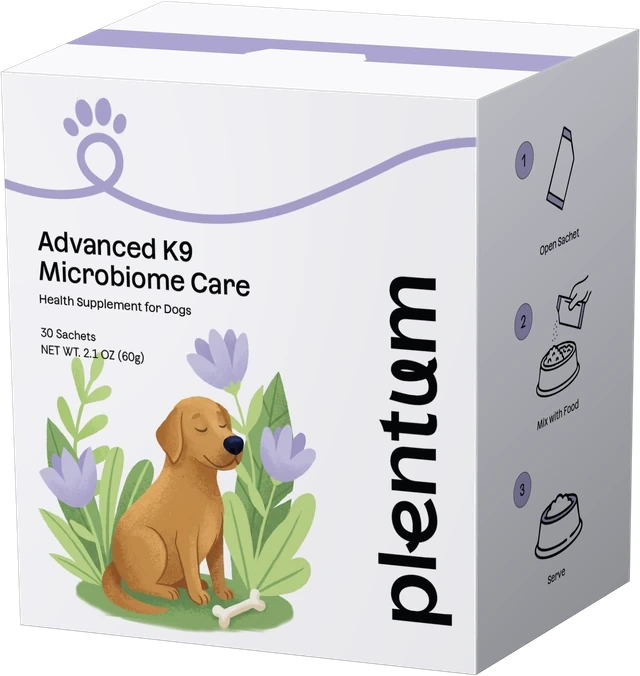
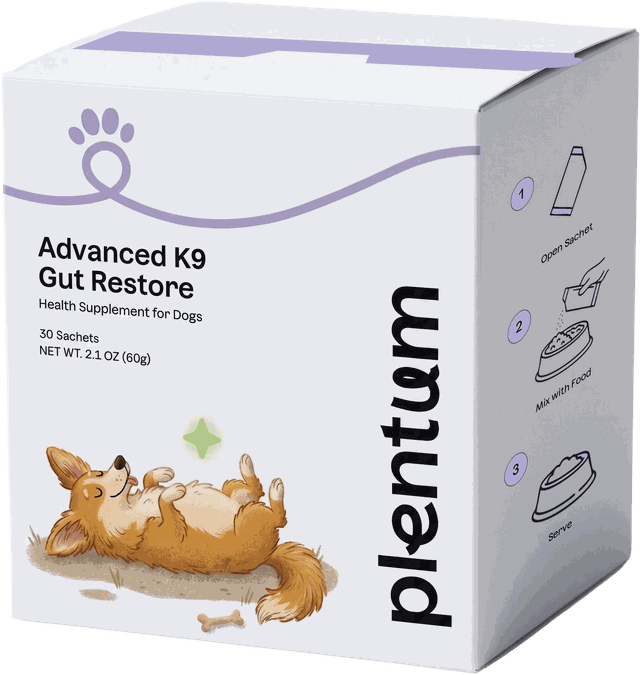
- If your dog takes a gut-support supplement, give it every day as the label directs. Steady use matters more than a bigger scoop.
For help picking a supplement that suits your dog, read How to Choose a Vitamin & Mineral Supplement for Your Dog before you buy anything new.
Your coat checklist
- A named animal protein is the first ingredient in the food
- The diet includes a documented source of omega-3 fatty acids (fish, fish oil or algae oil)
- Your dog drinks enough water each day and has light-colored urine
- No chronic loose stools or digestive upsets
- Grooming matches the coat type (see the table above)
- The shampoo is pH-balanced and made for dogs
- The food is within its best-by date and stored sealed, dry and cool
- Shedding stays seasonal, with no year-round or patchy loss
Use this guide alongside the WSAVA Global Nutrition Guidelines and the advice of the vet who manages your dog's care.
If you want to know what keeps a dog's skin barrier strong and what weakens it, the skin barrier explainer walks through it. The omega-3 label guide goes into the difference between EPA and DHA and what to look for on an omega-3 label.
Frequently asked questions
What should my dog eat for a healthier coat?
Protein from named animal sources, healthy fats with a good omega-6 to omega-3 balance, zinc and fresh water all matter. Vitamin E and biotin play supporting roles. A complete diet usually covers these, so check the food label before you add anything.
Can a dull coat mean a digestion problem?
It can. If the gut doesn't absorb nutrients well, the coat may not get what it needs even when the food is good. Loose stools, gas or a dull coat that doesn't improve are worth bringing up with your vet.
How long until I see a difference?
Most dogs show visible coat changes within 6 to 12 weeks of a meaningful nutritional improvement. Hair grows slowly, so jot down what you notice each week and look for the trend.