








Quick answer: A digestive enzyme supplement can help a dog whose pancreas or stomach is not making enough enzymes to break down food, but a vet has to confirm that first. For most cases of diarrhea, enzymes are not the answer. Inflammation, dysbiosis, dietary sensitivity and parasites are more common causes. Vomiting, blood in the stool, lethargy or diarrhea lasting more than 48 hours need a vet first, not a supplement.
Key takeaways
- Digestive enzymes help when the pancreas or gut is not producing enough, confirmed by bloodwork or a supervised trial.
- Most diarrhea comes from dysbiosis, inflammation or dietary issues rather than an enzyme shortfall.
- Pancreatitis and unexplained chronic diarrhea need a veterinary diagnosis first. Do not self-treat with enzymes.
- Enzymes and postbiotics do different jobs, and some dogs may benefit from attention to both, as advised by a vet.
- Dental health, parasite control and food quality all influence whether enzymes can actually help.
- Puppies, senior dogs and dogs with blood in the stool need prompt veterinary care, not supplements alone.
What Digestive Enzymes Actually Do
Digestive enzymes are proteins that break food into pieces the body can absorb. Protease handles protein, lipase breaks down fat and amylase tackles carbohydrates. The pancreas makes most of them, with smaller contributions from the stomach and the brush border of the small intestine.

When pancreatic production drops, supplementation may restore some of that digestive power. In theory, that sounds simple. In practice, the picture is often messier.
When Enzymes Are the Right Call
Classic signs of enzyme insufficiency include:
- Large volumes of pale, foul-smelling stool
- Weight loss despite a healthy appetite
- A dull, thinning coat
- Low trypsin-like immunoreactivity (TLI) on bloodwork
Without enzyme replacement, these dogs can starve while still eating. They fill up but absorb very little. A 2025 review in Animals by Tamura describes how nutritional management of chronic enteropathies depends on restoring digestion and absorption, and on supporting the gut barrier (Tamura, 2025). Exocrine pancreatic insufficiency (EPI) sits at the severe end of that spectrum.
Milder insufficiency also happens. Senior dogs, dogs recovering from pancreatitis and dogs on long-term medications that suppress pancreatic output can all be affected. Some of these dogs respond well to a supervised trial, and your vet should guide that trial.
When Enzymes Won't Help (and Might Hurt)
Most diarrhea cases are not enzyme problems. They are more often dysbiosis, inflammation or dietary sensitivity. Throwing enzymes at those problems is like putting premium fuel into a car with a clogged fuel filter. The fuel is fine. The delivery system is the problem.
Pancreatitis needs extra caution. Active inflammation plus extra enzymes can sometimes make a dog more uncomfortable, so get a diagnosis before supplementing.
A prospective study from the University of Zurich compared 26 dogs with suspected acute pancreatitis against 48 dogs with non-pancreatic acute gastrointestinal disease (Sidler et al., 2025). Diarrhea was significantly more frequent in the non-pancreatic group. In plain terms, most diarrhea is not caused by pancreatitis, so enzymes were not the answer in that group either.
Where supplements fit
Enzyme supplements have a role when a vet has confirmed a need. They are not a first step for every bout of diarrhea. Ask your vet before adding one to your dog's food, especially if your dog has a health condition or takes medication.
Supplement, not a medicine. Ask your vet if your dog has a health condition or takes medication.
The Enzyme and Postbiotic Combination Changing Canine Nutrition
Enzymes break food into absorbable pieces. Postbiotics are thought to support the gut lining and the microbiome's recovery. These are different jobs, and they can complement each other when a vet has decided that both are useful.
Do not grab a generic digestive enzyme off the shelf assuming all formulas are equal. Potency, source and inactive ingredients all matter. Your vet can help you choose a product with clear labeling.
Red Flags That Mean Skip the Supplements and Call the Vet
Some symptoms override everything else. If your dog shows any of these, go to a clinic first:
- Blood in the stool, bright red or black and tarry
- Vomiting combined with diarrhea
- Lethargy or refusal to move
- Pale or tacky gums
- A puppy under six months old with diarrhea
- Symptoms lasting more than 48 hours
Puppies can dehydrate quickly, and a small dog's reserves can run out fast. Do not wait it out.
How to Actually Use Digestive Enzymes Safely
If your vet confirms enzyme insufficiency or supports a trial, follow a simple plan.
Track everything. Keep a note of stool score, appetite, energy level and water intake. Bring the log to your vet visit. Objective data beats memory.
Pair with microbiome support where advised. Enzymes handle digestion, and postbiotics handle the gut environment. Many chronic cases need attention to both, though your vet decides which steps fit your dog. For the wider category, see The Rise of Natural Dog Supplements.
Do not overlook dental health. There is growing interest in the oral-gut axis, and bacteria from inflamed gums may travel to the gut and disturb its balance. If your dog's teeth are a problem, enzymes alone may not resolve the diarrhea. For more, read The Oral-Gut Axis in Dogs: Why Your Dog's Dental Health Affects Their Whole Body.
Compare the formulas
Five formulas, each built for one job
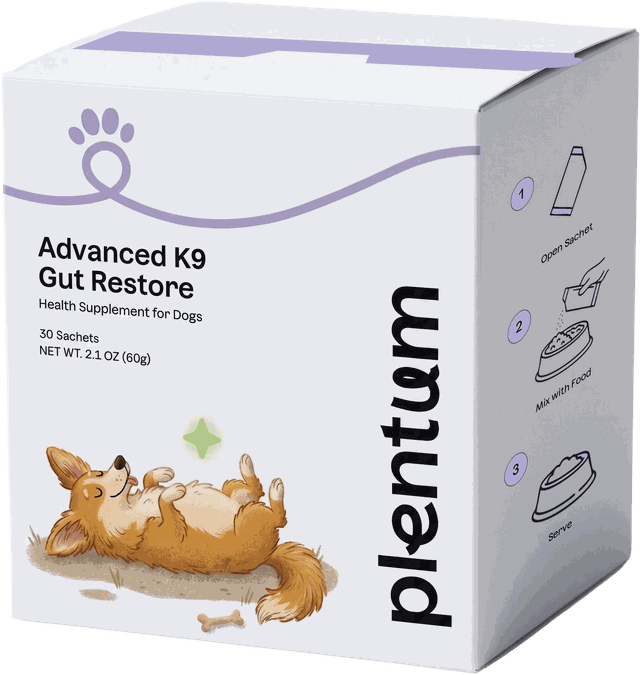
- Gut RestoreFits this guide Supports normal bowel function and healthy stool consistency, and helps maintain a balanced gut. From $1.50/day
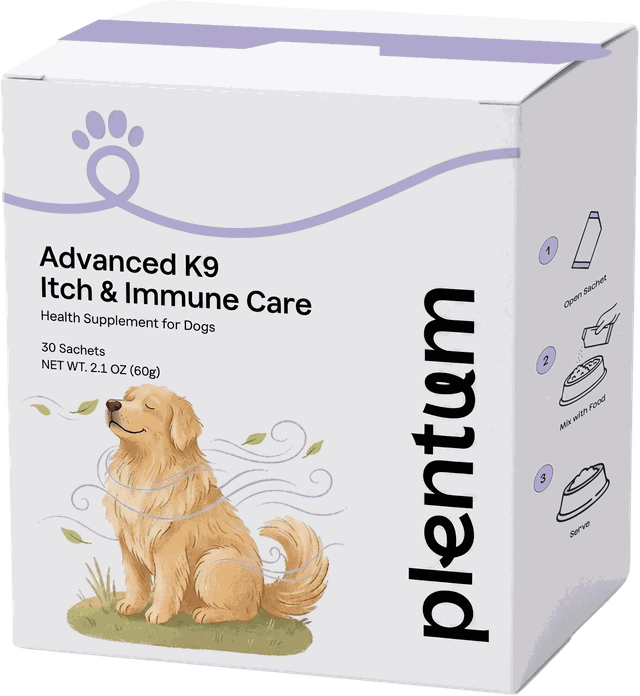
- Itch & Immune Care Supports a normal immune response to environmental and seasonal triggers, and helps maintain a healthy coat. From $1.50/day
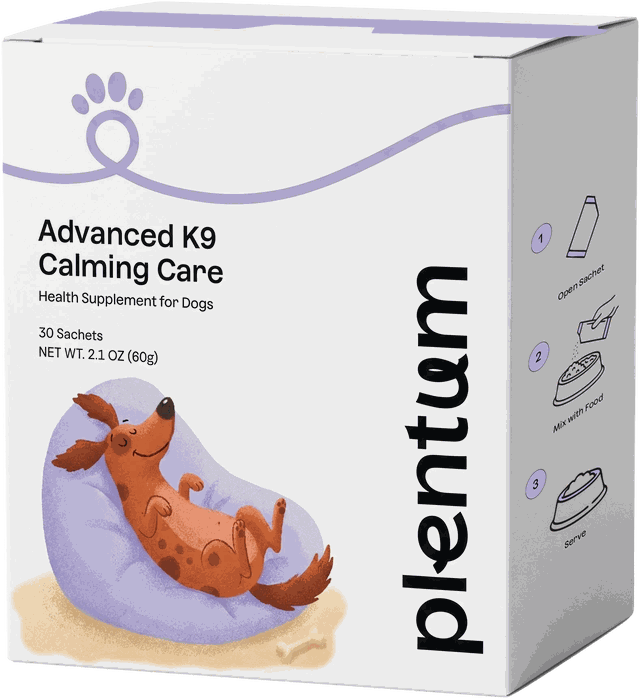
- Calming Care Supports a calm, relaxed demeanor during occasional situational stress such as storms, travel or vet visits. From $1.50/day
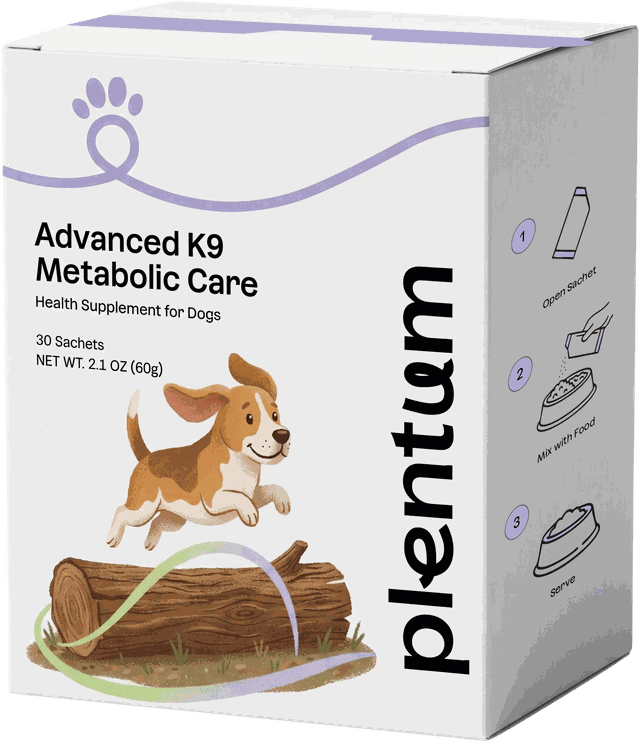
- Metabolic Care Supports proper weight management alongside portion control and exercise. From $1.50/day
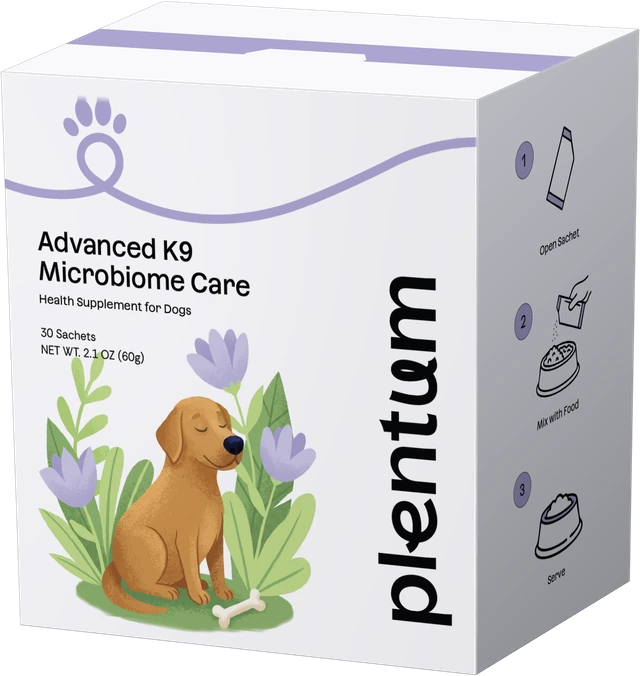
- Microbiome Care A daily powder with a postbiotic and prebiotic foundation, plus colostrum and omega-3, to support gut, oral, skin and coat health. From $1.17/day
Common Mistakes Dog Owners Make
Reaching for enzymes before ruling out parasites. A fecal test is quick and often inexpensive, so it is worth doing early.
Switching foods in the middle of diarrhea. Adding variables confuses the picture. Change one thing at a time so you know what worked.
Giving human enzyme supplements. Dosages differ, and so do inactive ingredients. Some products contain xylitol, which is dangerous for dogs. Check labels carefully, and see this breakdown of safe options before using food toppers or treats.
Stopping too soon. Gut recovery takes weeks, not days. Give an intervention at least a month before you judge it, unless your vet advises otherwise.
What About Hair Loss and Other Connected Symptoms?
A dull, thinning coat is one of the classic signs of poor absorption, because the body may not be getting enough nutrients to support the skin and coat. Hair loss has many possible causes, including skin conditions, parasites, hormonal issues and allergies. Do not assume that enzymes will fix it. Ask your vet for an exam, especially if hair loss comes with diarrhea or weight loss.
Frequently asked questions
Will adding a digestive enzyme supplement to my dog's food help when she has diarrhea?
Sometimes, but only when a vet has confirmed that enzymes are the missing piece. Most diarrhea comes from inflammation, dysbiosis or dietary sensitivity, which enzymes do not address. If your dog has blood in the stool, vomiting or lethargy, see a vet first.
How can digestive enzymes help dogs with diarrhea?
Enzymes help digest fat, protein and carbohydrates when the pancreas is not producing enough. They are most useful for confirmed insufficiency, such as EPI, rather than for every case of loose stool.
What are the signs that a dog may need enzyme support?
Large volumes of pale, foul-smelling stool, weight loss despite a healthy appetite, a dull coat and low TLI on bloodwork are classic signs. Your vet decides whether enzymes are the right next step.
Should I track my dog's stool while using enzymes?
Yes. Log stool score, appetite, energy and water intake, and bring the log to your vet. A dated record helps you judge whether a change is working, and it helps your vet make decisions.
Sources
- Tamura, 2025: Chronic enteropathy and vitamins in dogs
- Sidler et al., 2025: Clinical, laboratory and ultrasonographic findings in dogs with acutely presenting signs
Use these resources for general standards and background. Individual symptoms, diagnoses, medications and treatment decisions require a veterinarian who has examined your dog.


