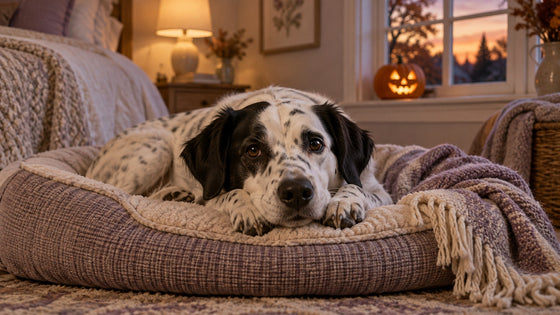






You're chopping carrots for dinner and your dog is parked at your feet, watching every cut. Good news: yes, dogs can eat carrots, raw or cooked. Wash them, cut them to suit your dog's size and serve them plain, with no butter, salt, sugar or seasoning. Keep them a modest snack and don't count on them for dental care.
- Plain carrots are generally safe for most dogs, served raw or cooked.
- Skip butter, salt, sugar and seasoning, because your dog does not need them.
- Too many carrots can still upset your dog's stomach, so keep portions small.
Why carrots make a handy treat
Carrots are an easy vegetable treat for many dogs. They're quick to prepare and lower in calories than most store-bought treats, so they work when you want something crunchy between meals. The AKC lists carrots among vegetables generally safe for dogs when they're served plain and cut to a suitable size.
For another food from the kitchen, read our guide to whether dogs can eat tomatoes.

| Question | What the source says | Source |
|---|---|---|
| Can dogs eat carrots? | PetMD describes carrots as generally safe for dogs when served plain and cut appropriately, while noting that too much can still cause stomach upset. | PetMD: Can dogs eat carrots? |
| What is the main safety issue? | AKC notes that carrots are generally safe, but whole carrots and carrot sticks should be cut into bite-size chunks to reduce choking risk. | AKC: Can dogs eat carrots? |
| How do carrots compare with other vegetables? | AKC includes carrots among vegetables dogs can eat, and separates them from hazardous foods such as onions and grapes. | AKC: Fruits and vegetables dogs can or cannot eat |
| Are carrots poisonous plants? | ASPCA lists carrot flower as non-toxic to dogs, cats, and horses. For pet dogs, the practical risk is usually preparation, portion size, toppings or choking, not carrot toxicity. | ASPCA: Carrot flower toxicity listing |
What's in a carrot
Beta-carotene is the main nutrient. Dogs convert it to vitamin A as needed, and vitamin A supports vision, immune function, skin health and cellular repair. The PetMD guide on carrots for dogs explains why that conversion is one reason carrots show up in so many homemade dog treat recipes.

A single medium carrot also delivers vitamin K1, which supports blood clotting and bone health, and biotin, which supports healthy skin and coat. Those add to a diet, but carrots aren't a complete meal, so a treat should stay a small part of your dog's daily food.
Raw carrots: crunchy, but not dental care
Many dogs love chewing raw carrots, and it keeps them busy for a while.
The cleaning power is overstated, though. Don't rely on raw carrots to remove plaque or replace brushing, professional dental care or advice from your vet. The crunch is real, and the cleaning effect is small.

Cooked carrots: softer, with more usable beta-carotene
Cooking softens the cell walls and releases the beta-carotene in a more bioavailable form. Lightly steamed or boiled plain carrots, with no butter and no salt, may be easier to chew for older dogs or dogs with dental sensitivities.
You can stir a little mashed cooked carrot into food if it agrees with your dog's stomach. Let it cool fully first, and stop if your dog shows any sign of stomach upset.
How to serve carrots safely
For raw carrots, wash the carrot, then cut it to size. Baby carrots work for medium and large dogs. Halve or quarter them for small dogs, and cut large whole carrots into sticks or thin rounds.
For cooked carrots, steam or boil them with nothing added, then cool them fully before serving.
Frozen pieces can work as supervised chewing for some teething puppies. Keep the pieces small to reduce choking risk, and watch your puppy while they chew.
As starting portions, small dogs can have a few thin coins, medium dogs 1–2 baby carrot pieces, and large dogs a small handful of sticks. Keep all treats within your vet's calorie guidance, and introduce any new food slowly over 2–3 days.
For any other vegetable you plan to share, search our free Can my dog eat this? checker.
Carrots and your dog's gut
PetMD describes carrots as generally safe when served plain and cut appropriately, but notes that too much can still cause stomach upset. For the gut, keep portions small, introduce carrots slowly, and watch your dog's stools.
- Start with one thin slice or a single small piece and watch your dog for a day or two.
- Offer carrot as a treat, not as a meal replacement.
- Stop and call your vet if vomiting or diarrhea follows a new carrot treat.
Primary veterinary reference
Use this owner guide alongside the WSAVA Global Nutrition Guidelines and the advice of the vet who knows your dog.
Where supplements fit
Carrots are a food treat. They don't replace a complete diet or any supplement your vet recommends.
If you want to know which everyday foods are safe for dogs and which to keep off the plate, our food safety guide for dogs walks through it.
Frequently asked questions
Can dogs eat raw carrots?
Yes, most dogs can eat plain raw carrots once they're washed and cut to suit their size. Keep the portion small and skip any seasoning.
Are cooked carrots good for dogs?
For many dogs, yes, especially older dogs or dogs with dental sensitivities. Steam or boil them without butter or salt and let them cool fully. Add mashed carrot to food only in small amounts, and only if your dog's stomach handles it well.
Are carrots poisonous for dogs?
The ASPCA lists carrot flower as non-toxic to dogs. The practical risks are choking, large portions and toppings such as butter or seasoning. Cut them safely and keep portions small.
How much carrot is safe for a dog?
Start small: a few thin coins for small dogs, 1–2 baby carrot pieces for medium dogs, and a small handful of sticks for large dogs. Keep all treats within your vet's calorie guidance. Introduce any new food slowly over 2–3 days and watch how your dog responds.