





Quick answer: Rotational feeding means changing a dog's protein, recipe, texture or brand on purpose. It can help some dogs accept variety, and it can show which proteins agree with them. There is no requirement to rotate foods for a healthy microbiome, and frequent changes make digestive patterns harder to read. Change one thing at a time, record the response and check with your vet first if your dog has a digestive history.
Key takeaways
- Rotational feeding means changing the protein, recipe, texture or brand on purpose.
- It can help some dogs accept variety, but it is not required for a healthy microbiome.
- Frequent changes make it hard to tell which food caused a stool or skin change.
- Puppies, seniors and dogs on prescription diets need a slower plan, ideally built with a vet.
- Change one variable at a time and record stool, appetite, itching and weight.

What rotational feeding actually means
Rotational feeding means changing something about the diet on purpose. It could be the protein, the recipe, the brand, the texture or the topper. Most people do it hoping to add variety or widen the range of ingredients their dog tolerates.
The idea sounds sensible, and for some dogs it is. The reasons owners give for rotating are not always the same as the reasons a vet would give, so it helps to know your reason before you start. A clear reason makes it easier to judge whether the plan is working.
What it got right, and what it got very wrong
A planned rotation can help some dogs accept variety. It can also help you learn which proteins agree with your dog. Done carefully, it is useful information.
The problems start when rotation is casual. Common examples include:
- Soft stool after several swaps. You cannot tell which change caused it.
- Itching, ear gunk or paw licking after a food change. The cause is hard to pin down for the same reason.
- Recurring diarrhea or vomiting. Casual rotation delays the answer your dog actually needs.
Rotation is a tool. Used without a plan, it can hide the cause of the problem it was meant to solve.
How to rotate without wrecking digestion
If your dog has a history of soft stool, take smaller steps and hold each step for longer before you move on. Smaller steps make it easier to see how your dog responds to each food.
Do not rotate during travel, after illness, during medication changes or when symptoms are already active, unless your vet is running the plan.
Introduce each new food gradually, and keep treats, chews, supplements and meal timing as steady as you can during the change.
Where supplements fit
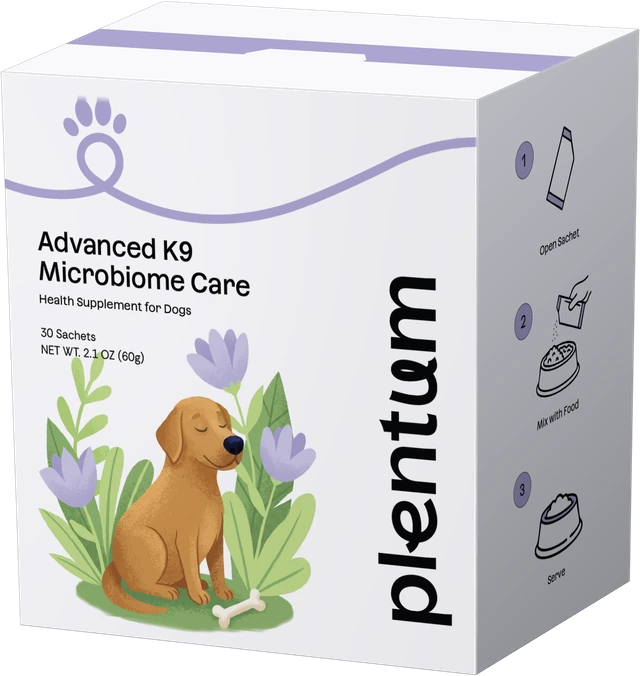
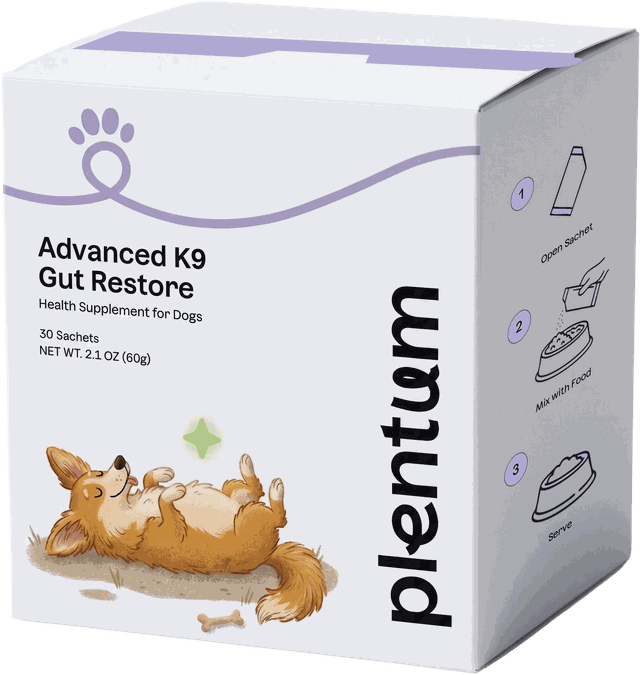
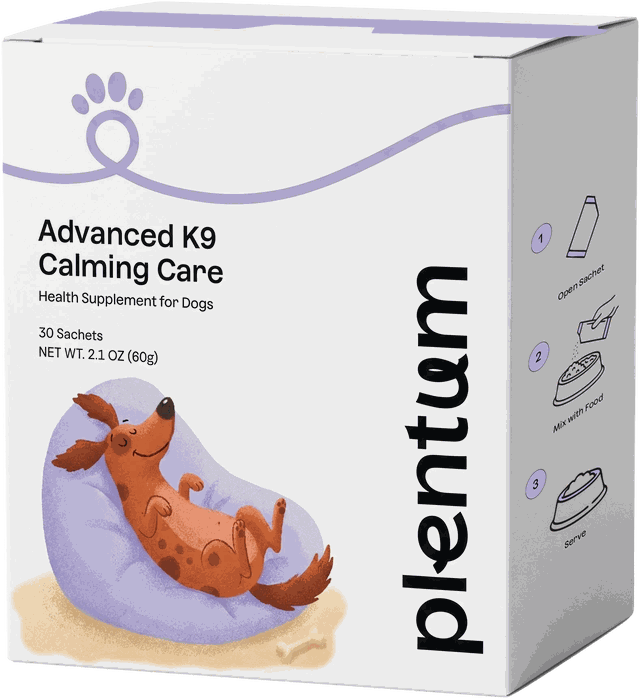
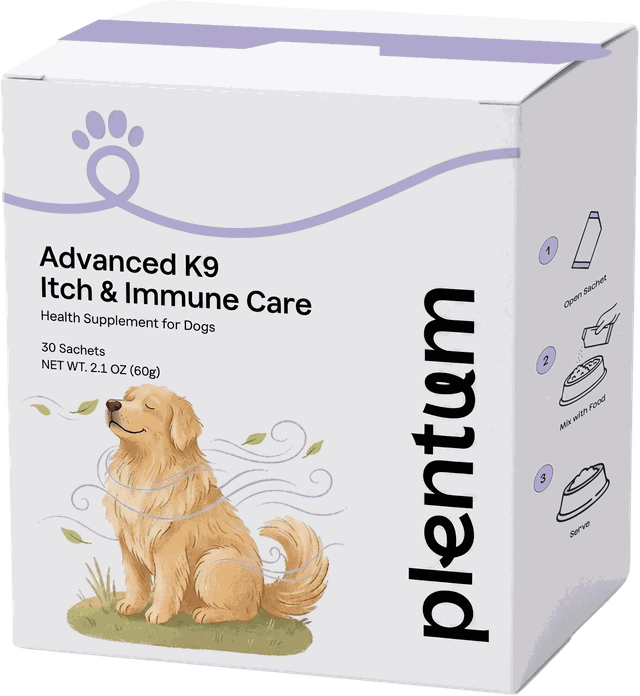
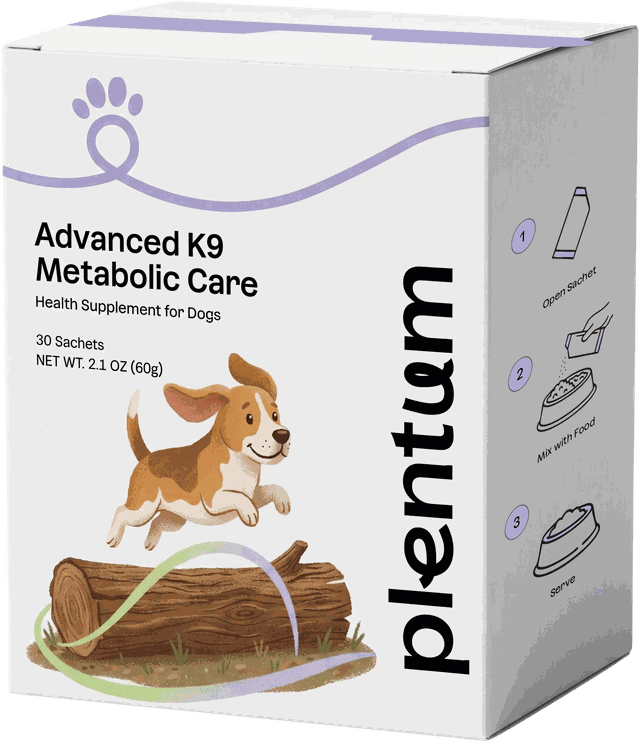
A supplement is not a substitute for a sound diet, and it does not remove the need to rotate carefully. It is one layer among several, alongside diet, routine and regular vet checks.
Supplement, not a medicine. Ask your vet if your dog has a health condition or takes medication.
Dogs who should never rotate casually
Some dogs need more care before any change. These include:
- Puppies.
- Seniors.
- Dogs with a history of pancreatitis.
- Dogs on prescription diets.
- Dogs with inflammatory bowel disease.
- Dogs with serious food allergies.
These dogs may still need diet changes, but the plan should be tighter, slower and ideally built with your vet. Sometimes the most gut-friendly plan is the one your dog already handles well.
Rotation is a feeding strategy, not a requirement
Rotational feeding means changing a protein, recipe, texture or complete diet on a planned schedule. Some healthy dogs tolerate variety, while others do better with consistency. There is no requirement to rotate foods to build a healthy microbiome, and frequent changes can make digestive patterns harder to interpret.
Before rotating, confirm that each main food is complete and balanced for your dog's life stage. Compare calorie density so portions stay appropriate, and review fat, fibre, protein sources and any ingredients your dog must avoid. Treats and toppers should not turn the plan into an unbalanced mixed diet.
Change one variable and record the response
Introduce a new food gradually unless your veterinarian directs otherwise. Keep treats, chews, supplements and meal timing stable, so the effect of the single change can be assessed.
Record stool form and frequency, vomiting, gas, appetite, comfort, itching, ear signs and weight. A dated record helps owners and veterinarians judge trends instead of isolated days.
Primary veterinary reference
Use this owner guide alongside the WSAVA Global Nutrition Guidelines and the advice of the veterinarian managing your dog.
Frequently asked questions
What is the main takeaway about rotational feeding and the microbiome?
Rotational feeding means changing a protein, recipe, texture or complete diet on a planned schedule. Some healthy dogs tolerate variety, while others do better with consistency. There is no requirement to rotate foods to build a healthy microbiome.
How should I change my dog's food when rotating?
Introduce each new food gradually unless your vet directs otherwise. Keep treats, chews, supplements and meal times steady during the change. Record stool, appetite, itching and weight so you can see the effect of the single change.
Which dogs should not rotate foods casually?
Puppies, seniors, dogs with a pancreatitis history, dogs on prescription diets, dogs with inflammatory bowel disease and dogs with serious food allergies should follow a tighter, slower plan built with their vet.
Do I need to track anything when I change food?
Yes. Keep a dated record of stool form and frequency, vomiting, gas, appetite, comfort, itching, ear signs and weight. A dated record helps owners and veterinarians judge trends instead of isolated days.