






Your dog's stool has been off for a few days, and the bag in the pantry says "digestive care" on the front. So does half the aisle at the pet store. No single brand suits every dog's digestion, so you'll get further comparing formulas than reading brand rankings.
Read the label, switch slowly, keep treats steady and write down what you see. If there's blood, black stool, pain or weight loss, call your vet before you buy a new bag.
Three points on dog food and digestion:
- A brand name does not tell you how a food will suit your dog's digestion. The label and the formula do.
- Change foods gradually, and keep treats, chews and toppers steady so the food is the main variable.
- Blood, black stool, pain, weight loss or refusal to eat call for a veterinary assessment.
What to read on the bag
Words like "sensitive," "natural" or "gut health" on the front don't define a clinical diet, and they don't show that a formula will sit well with your dog. When you see them, flip the bag over.
On the back, look for these:
- The nutritional adequacy statement, which says the food is complete and balanced for the life stage it's made for.
- Calorie density, meaning calories per cup or sachet, so you can match the amount to your dog.
- Named protein and carbohydrate sources, so you can compare them with past reactions.
- Fiber types. Different fibers ferment differently, and the label should say which ones are in there.
- Fat level, feeding directions and manufacturer contact information.
Who makes the food matters as much as what's printed on it. Look for access to qualified nutrition expertise, clear nutrient and calorie information, ingredient traceability, finished product testing and a process for handling reports of adverse events. If the label doesn't answer your feeding question, call the company.
How to switch foods and tell if it worked
When a change makes sense, transition gradually unless your vet says otherwise. Keep treats, chews, toppers and supplements the same so the food is the only thing that changes. Change everything at once and you won't know what made the difference.
Keep a dated log of stool form and frequency, vomiting, gas, appetite, comfort, weight and any skin or ear signs. Go over it weekly with your vet instead of judging the food from one good day or one bad meal.
A diagnostic diet trial needs strict ingredient control, because a few flavored treats can make the result impossible to read. Prescription gastrointestinal diets aren't interchangeable, either. Some are highly digestible, some adjust fat or fiber, and others use hydrolyzed or novel proteins. Your vet picks one based on the diagnosis and what they're watching for.
When a new food isn't the answer
One owner's dog, Bentley, stopped eating his breakfast. The day before his appointment, blood appeared. We don't know how his case ended, so we won't guess at an outcome.
A new food can be part of the plan later, but the exam comes first.
If you're keeping notes, write down the date appetite changed, the date any blood appeared and the date of the appointment. Those three dates often tell the vet more than a general description of the week.
Where supplements fit
A supplement is a separate decision from the food. Add one only after the food plan is settled, and log it as its own change. It won't make a poor diet suitable or stand in for a vet visit.
If you're comparing options, bring the label to your appointment and ask how it fits the food you feed and any medication your dog takes.
A reference worth bookmarking
The WSAVA Global Nutrition Guidelines cover nutrition from the veterinary side. It's a good place to check any claim you read on a bag.
Frequently asked questions
Is there one brand that's best for sensitive stomachs?
No, digestion varies from dog to dog, so a brand that works for your neighbor's dog may not work for yours. Compare the labels, then try one food at a time and keep a dated log.
How do I know if I can trust a dog food company?
Look at what the company can show you: clear ingredient information, nutrition experts who'll answer questions and a way to report problems. If a label makes a claim you can't check, ask the company and your vet before you rely on it.
What should I look for on the label?
Start with the nutritional adequacy statement and the life stage it covers. Then read the protein and carbohydrate sources, fiber types, calorie density and feeding directions.
How long should I give a new food before judging it?
Switch gradually, then look at your log over several days instead of judging one meal. Keep treats the same during the trial.
Sources
Five supplements, each aimed at a different need
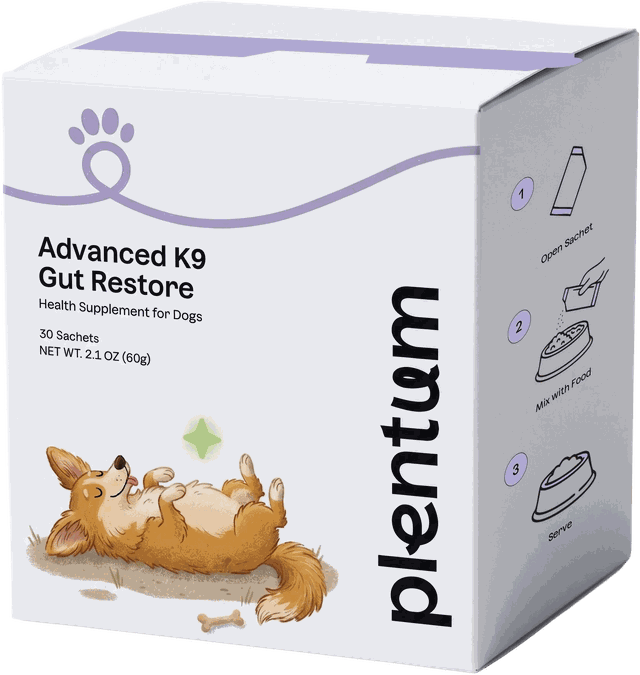
- Gut RestoreFits this guide It supports normal bowel function and healthy stool consistency, and helps maintain a balanced gut. From $1.50/day
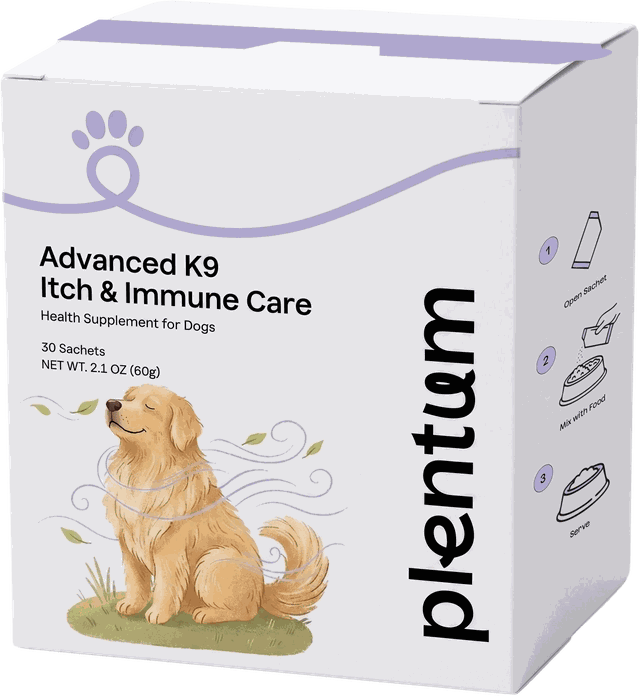
- Itch & Immune Care It supports a normal immune response to environmental and seasonal triggers, and helps maintain a healthy coat. From $1.50/day
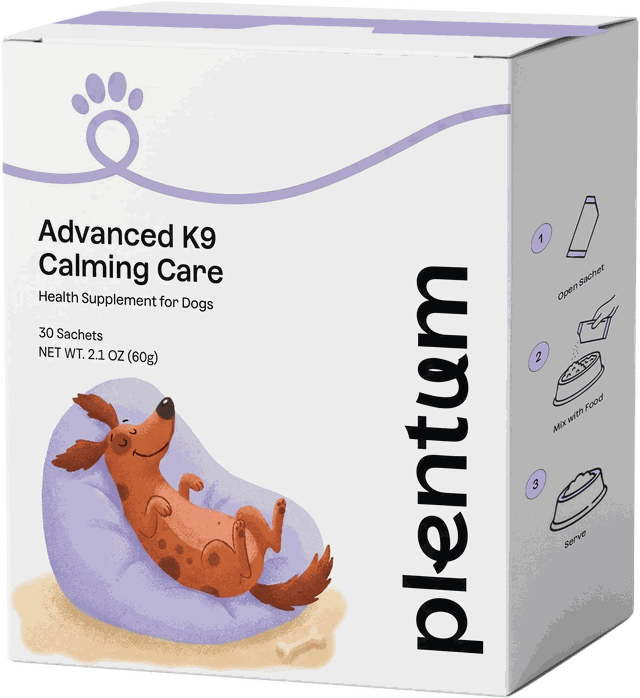
- Calming Care It supports a calm, relaxed demeanor during occasional situational stress such as storms, travel, or vet visits. From $1.50/day
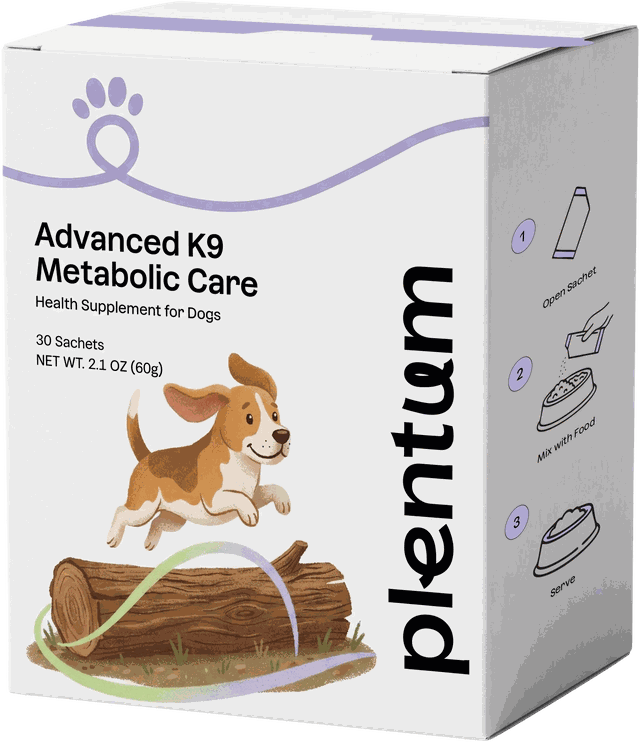
- Metabolic Care It supports healthy weight management alongside measured portions and daily exercise. From $1.50/day
- Microbiome Care It’s a daily powder with a postbiotic and prebiotic foundation, plus colostrum and omega-3, to support gut, oral, skin, and coat health. From $1.17/day