






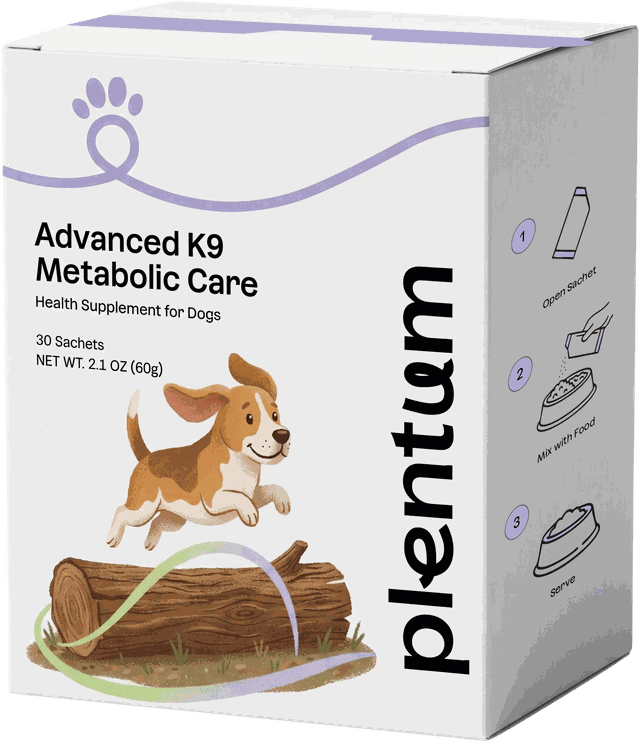


Quick answer: Digestive health in a Cavalier King Charles Spaniel depends on more than food. Many digestive signs in this breed are linked to diet, stress, pain or medication, and some overlap with nervous-system conditions. Watch for soft stools, reduced appetite, vomiting or black stools, and call your vet when a sign persists or gets worse. A steady routine, a food your dog tolerates and a vet who knows your dog's history give you the best start.
Key takeaways
- Digestive issues in Cavaliers can connect with neurological conditions, so do not look at the gut in isolation.
- Many GI symptoms come from chronic pain or medication side effects rather than primary gut disease.
- Postbiotics are compounds made by bacteria, and they do not need live cultures to be useful in principle.
- Powder supplements can be easier than chews for a picky Cavalier, but the label should guide your choice.
- Consistency, a symptom journal and regular vet visits do more for digestion than switching products often.

The Neurological-Gut Connection Most Owners Miss
Cavaliers are known for neurological conditions, including syringomyelia, episodic collapse, epilepsy and myoclonus. Those conditions can look a lot like digestive trouble, which is one reason the gut is easy to overlook.
A 2005 review in the Journal of Small Animal Practice described how these syndromes often overlap in their signs, which makes them tricky to diagnose (Rusbridge, 2005).
So what gets overlooked? Often, the gut. Before you add a digestive product, it is worth asking whether the stomach problem is a symptom of something else.
Myoclonus is one example. A 2022 retrospective study in the Journal of Veterinary Internal Medicine looked at 39 older Cavaliers with myoclonic episodes. The mean age of onset was 8.38 years, and roughly a third of those dogs also had seizure activity (Rotter et al., 2022).
Many of these dogs were taking anti-epileptic drugs, which can cause gastrointestinal side effects. Some of their "digestive problems" were linked to treatment rather than to the gut itself.
The takeaway is simple. Do not chase gut symptoms in isolation. Ask your vet about the whole dog, and do not change anti-epileptic or pain medication on your own.
Common Digestive Issues in Cavaliers (And How They Show Up)
Cavaliers do not have a unique digestive system, but they do show a few patterns worth knowing.
Watching your dog feel uncomfortable without knowing why is hard. Many of these patterns can be tracked, and most can be discussed with your vet. Advice from breeders, friends and the internet can pull in different directions, so use this guide as a starting point and let your vet make the final call.
- Intermittent soft stools. Often linked to diet, but sometimes to stress. Cavaliers are sensitive dogs, and a thunderstorm, a new baby or a change in routine can all show up in the gut.
- Medication-related GI upset. Many older Cavaliers take anti-epileptic or pain medication. These can cause nausea, reduced appetite or soft stools. Giving a medication with food sometimes helps, but check with your vet first.
- Reduced appetite from chronic pain. Pain can take away appetite. Treating the pain often brings the appetite back, so ask your vet to look at comfort as well as the stomach.
Postbiotics: The Quiet Hero of the Cavalier Gut
You have probably heard of probiotics. Those are live bacteria. Postbiotics are different. They are the beneficial compounds that bacteria produce, such as short-chain fatty acids, enzymes and peptides. The idea is that the useful material can work without live bacteria needing to settle in.
Why does this matter for Cavaliers? Postbiotics do not rely on live cultures, so storage can be simpler. Their stability depends on how the product is made, so read the label rather than assume. Some owners also look at postbiotics for dogs with sensitive guts, although the evidence for that is still early.
For a deeper dive on how postbiotics differ from other approaches, read The Role of Postbiotics in Supporting Your Dog's Digestive Health.
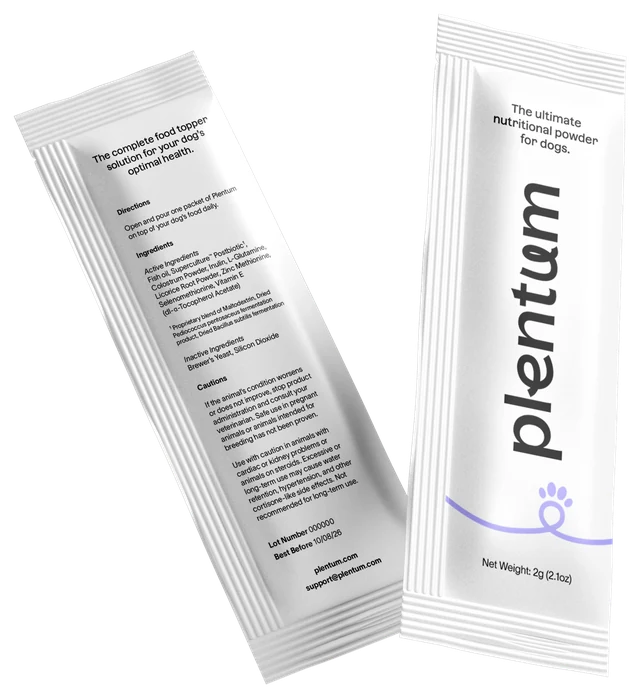
If you are wondering whether a powder or a chew suits your dog better, Powder vs Chew Dog Supplements: How to Compare Formats is worth a read. Cavaliers can be picky eaters, and many owners find that powder mixed into wet food is easier to manage than a chew the dog refuses.
Where supplements fit
A supplement is one part of a daily routine. It does not replace a steady diet, regular vet checks or the plan your vet has set for another condition.
Supplement, not a medicine. Ask your vet if your dog has a health condition or takes medication.
Building a Daily Routine That Actually Works
- Feed a consistent diet. Changing proteins slowly is sometimes needed, but avoid switching brands every month. Cavalier guts tend to do better with predictable meals.
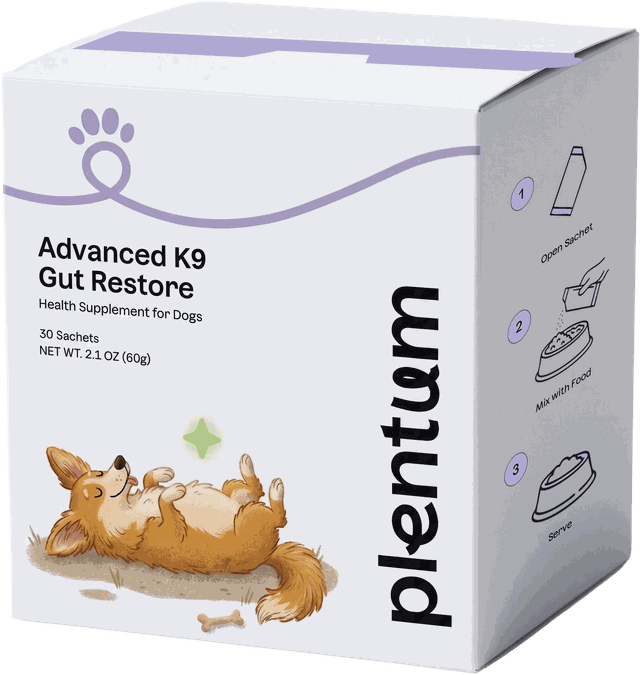
- Consider a daily gut-support routine if your vet agrees. Think of it like brushing teeth: a regular habit, not a rescue after a flare.
- Watch the treats. Fatty table scraps upset many Cavalier stomachs, and so do rich chews. Plain cooked chicken, or a small piece of watermelon on a hot day, is usually a better choice. Remove the seeds first.
- Keep a symptom journal. It sounds fussy, but it works. Note stool quality, appetite and behaviour, and patterns tend to show up quickly.
- Book regular vet check-ins. Older Cavaliers often need bloodwork twice a year. Kidney and liver values can shift quietly, and catching changes early gives you more options.
When to Worry (The Red Flags)
Some signs mean you should call the vet today. These are not wait-and-see moments, because Cavaliers can decline faster than they look. The list below sets out the signs to act on.
Final Thoughts
One last thing. If your Cavalier takes anti-epileptic or pain medication, do not stop it to fix the stomach. That is almost always the wrong move. Work with your vet to find a plan that supports both the medication and the gut. That is the real win.
Frequently asked questions
What digestive problems are common in Cavalier King Charles Spaniels?
Common patterns include intermittent soft stools, medication-related upset and reduced appetite from pain. Some digestive signs overlap with neurological conditions, so the gut is not always the whole story. Track the signs and share the record with your vet.
Why does the gut matter for a Cavalier with a neurological condition?
Some Cavaliers with neurological conditions also take anti-epileptic drugs, and those drugs can upset the stomach. Pain can also reduce appetite. Look at the whole dog, not only the stool, and ask your vet about any change in medication or routine.
Are postbiotics different from probiotics?
Yes. Probiotics are live bacteria, while postbiotics are compounds the bacteria produce. Postbiotics do not rely on live cultures, so storage can be simpler, but the label should still tell you how to store the product. The evidence is promising but not yet conclusive.
When should I call my vet about my Cavalier's digestion?
Call your vet the same day if you see blood in the stool or vomit, black stools, repeated vomiting, a refusal to eat for more than 24 hours, sudden weight loss or lethargy with bloating. Do not wait to see whether a supplement helps first.


