
Quick answer: Your dog's breath smells like fish most often because of dental disease, where bacteria on the teeth and gums give off sulfur compounds. Anal gland problems, gut imbalance, a fish-based diet, kidney disease and oral tumors are other causes. A new, sudden or persistent fish smell is worth a vet visit.
Key takeaways
- Dental disease is the most common cause of fishy dog breath, and anal glands are the second.
- A strong, persistent fishy or rotten smell is not normal, especially when it is new.
- Gut imbalance, kidney disease, a fish-based diet, oral tumors and eating feces can also cause it.
- Check the rear end, start a dental routine and review the diet. Most dogs improve over 2-4 weeks with consistent care.
- Sudden onset, lumps, bleeding or signs of kidney disease need the vet first.
Is fishy dog breath normal?
Some doggy odor is normal. What's not fine is a strong, persistent fishy or rotten smell. Especially if it's new. That odor is almost always sulfur compounds — bacteria either in the mouth, the gut, or as a byproduct of something deeper going on.
What does it mean when your dog's breath smells like fish? Usually it means bacteria are making sulfur compounds. Whether your dog breath smells like dead fish or your dog breath stinks like fish, the cause is worth finding. So if your dog's breath smells like fish all the time, treat it as a signal and not as a quirk. A fishy smell from your dog's mouth, sudden fishy dog breath or dog breath that smells like sulfur all point to bacteria and the compounds they make. The seven causes below show where to look.

7 causes of fishy dog breath
The #1 cause of fishy dog breath is dental disease — periodontal bacteria pump out sulfur compounds. The #2 cause is anal glands (dogs lick their hindquarters and the bacteria transfer straight to the mouth). Both are addressable: a veterinary dental evaluation plus daily oral support for one; anal gland expression and hygiene guidance for the other. If the smell won't quit after that, see your vet to rule out kidney disease or diabetes.
What causes a dog's breath to smell like fish? These seven are the usual suspects, from most to least common. A bad breath problem with a fish smell can have more than one cause at once.
1. Dental disease (most common)
Periodontal disease is the heavyweight champion of fishy breath. By age three, a large share of dogs show early signs. Plaque hardens into tartar. Bacteria move into the pockets between gums and teeth. Those bacteria produce sulfur compounds, and that is where the smell comes from.
Watch for:
- Yellow or brown buildup on teeth
- Red or swollen gums
- Reluctance to chew hard food or toys
- Excess drooling
- Pawing at the mouth
What to do: book a professional cleaning. At home, brush 3-4 times a week with dog-specific toothpaste (human toothpaste is toxic, and fluoride isn't safe for dogs). Dental chews and water additives help between cleanings.
2. Anal gland issues
Dogs lick and bite at the rear when their anal glands bother them. The fishy smell then moves to the mouth and the fur. Watch for:
- Scooting their bottom across the floor
- Licking or biting at the rear
- Swelling near the anus
- Fishy smell on breath and fur
What to do: your vet or groomer can manually express the glands. For recurring issues, more dietary fiber helps the glands empty naturally during bowel movements. Some dogs need expression every 4-6 weeks.
3. Gut dysbiosis (microbiome imbalance)
Your dog's gut health can show up in their breath. When the bacterial balance in the digestive tract shifts toward harmful species, a condition called dysbiosis, foul-smelling gases can travel up through the esophagus. The result is bad breath that brushing alone does not fix. Our guide Dog Bad Breath That Won't Go Away: What Actually Works goes deeper.
Triggers include high-carb processed food, recent antibiotic use, chronic stress, and food intolerances. It is usually paired with gas, loose stools, or unusual bowel habits.
4. Kidney disease
A fishy or ammonia smell can signal kidney trouble. Failing kidneys let waste products, including urea, build up in the bloodstream. This is called uremia, and it produces a distinctive metallic-fishy odor.
This is more common in older dogs and it's serious. Other signs include:
- Increased thirst and urination
- Weight loss
- Decreased appetite
- Lethargy
- Vomiting
What to do: if your senior dog's breath changes and any of these show up, get blood work and a urinalysis done. Earlier evaluation gives you more options.
5. Fish-based diet
Sometimes the obvious answer is the right one. If your dog eats a salmon or whitefish formula, or you supplement with fish oil, their breath may genuinely smell like fish because of the food.
What to do: if the smell started when you switched foods or added a supplement, that's probably it, and it is harmless. Try a non-fish protein, or mix fish oil into kibble instead of giving it straight (less oral contact means less breath impact).
6. Oral tumors
Rare, but worth knowing. Both benign and malignant growths in the mouth can create pockets where bacteria breed, or the tissue itself becomes necrotic and produces a foul odor.
Watch for visible lumps, mouth bleeding, dropping food, facial swelling, or flinching when you touch the mouth area.
What to do: any lump, mass, or unexplained bleeding needs a vet visit today. Many oral tumors are treatable if caught early.
7. Coprophagia (eating feces)
Reasons dogs do it: nutritional deficiencies, enzyme deficiency, boredom or anxiety, learned puppy behavior, or underlying medical conditions.
What to do: clean the yard, block litter box access, and make sure the diet is complete. If you cook for your dog, our supplements guide for homemade dog food explains how to cover the gaps. Ask your vet whether digestive enzymes or a gut health supplement are worth trying. If it persists, talk to your vet about a behavioral workup.
What if it is a puppy?
If your puppy's breath smells like fish, the same causes apply: a fish-based food, anal gland trouble, or eating feces. A puppy that is also lethargic, off its food or vomiting needs a vet visit, because young dogs get sick quickly.
The oral-gut connection: why breath reflects digestive health
The mouth and gut share a connected microbiome. Oral bacteria travel down to the gut. Gut problems, such as the ones covered in Pancreatitis in Dogs and Gut Health: What Owners Should Know, can show up as oral symptoms. They're not separate problems. They're one system.
How to fix fishy dog breath: action plan
- Rule out serious causes. New, sudden fishy breath with other symptoms (thirst changes, weight loss, lethargy, bleeding)? Vet first. Don't guess.
- Check the rear end. Look for scooting or rear-licking. If you see it, get the glands expressed professionally.
- Start a dental routine. Brush 3-4 times a week. Book a cleaning if there's visible tartar. Use selection-focused dental chews as backup, not the whole plan.
- Evaluate the diet. Choose high-quality, species-appropriate food. Cut processed treats. If you're using fish-based food, ask whether that's the smell's source.
- Monitor and maintain. Most dogs see improvement over 2-4 weeks with consistent care. Persistent odor after that means back to the vet.
Where supplements fit
Brushing, professional cleanings and dental checks do the heavy lifting for breath caused by dental disease. A supplement is only a small add-on to that routine.
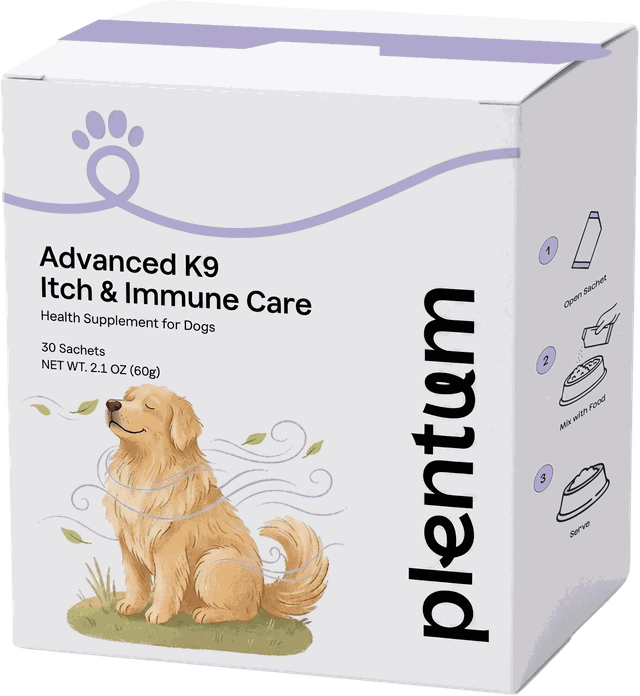
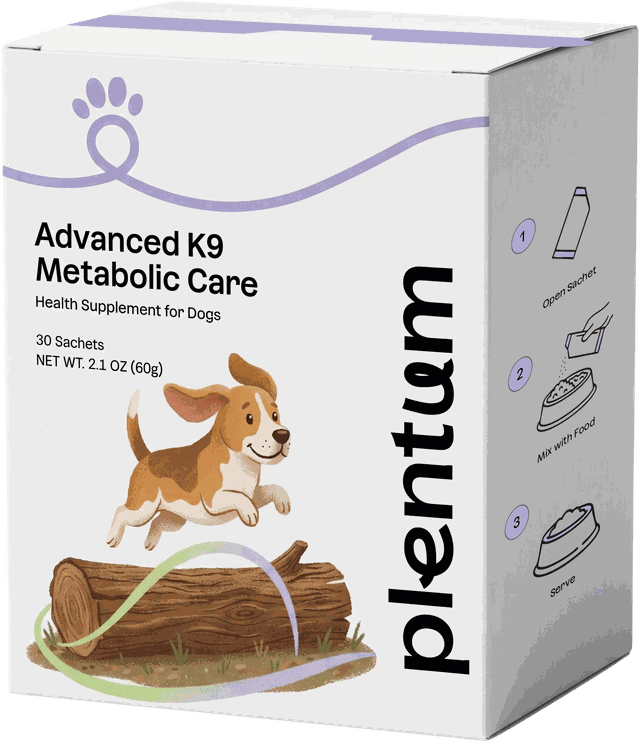
Microbiome Care includes a canine oral health postbiotic (125 mg per sachet) as part of a daily routine; it does not replace brushing or dental checks.
Supplement, not a medicine. Ask your vet if your dog has a health condition or takes medication.
Primary veterinary reference
Use this owner guide alongside the WSAVA Global Nutrition Guidelines and the advice of the veterinarian managing the individual animal.
Frequently asked questions
Why does my dog's breath smell like fish?
The most common cause is dental disease, where periodontal bacteria make sulfur compounds. The second most common is the anal glands, because dogs lick the rear and carry the smell to the mouth. A fish-based diet, gut imbalance, kidney disease, oral tumors and eating feces are other causes.
Why does my dog's mouth smell like fish all of a sudden?
A new, strong fishy smell needs attention. Check for scooting, red gums, lumps or bleeding in the mouth, and changes in thirst or weight. If the smell came with vomiting, lethargy or appetite loss, see your vet first.
Why does my puppy's breath smell like fish?
The same causes apply as in adult dogs, including a fish-based food, anal gland trouble and eating feces. A puppy that is also lethargic, off its food or vomiting should be seen by a vet.
Why does my dog's breath smell like rotten fish?
A rotten fish smell usually means bacteria are making sulfur compounds in the mouth or the gut. Dental disease is the most likely source. If brushing and a cleaning do not help within about 4 weeks, ask your vet to rule out kidney disease or diabetes.
How to fix fishy dog breath?
Rule out serious causes with your vet first. Then have the anal glands checked, start brushing 3-4 times a week and review the diet. Most dogs improve over 2-4 weeks with consistent care.
Sources
Supplement, not a medicine. Ask your vet if your dog has a health condition or takes medication. These statements have not been evaluated by the Food and Drug Administration. This product is not intended to diagnose, treat, cure, or prevent any disease.