



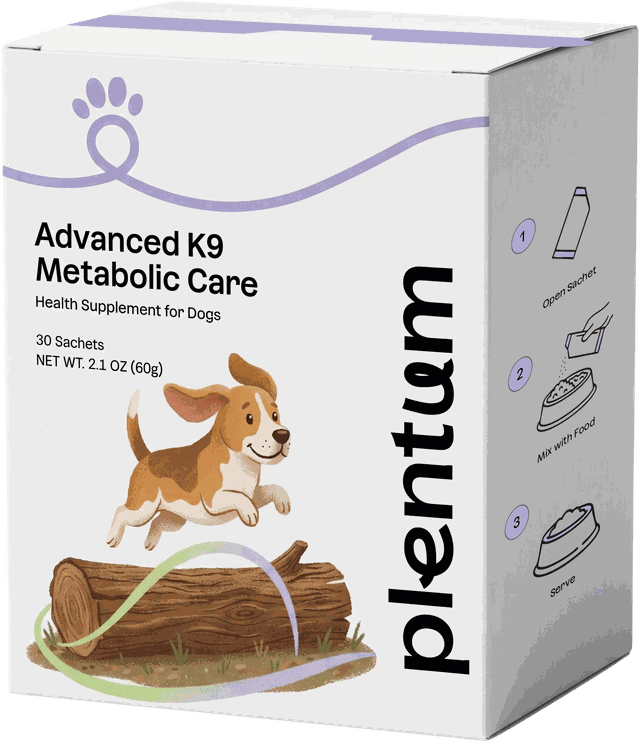

Your heart breaks when you witness your dog's decline in mobility. Your dog used to run after balls with complete enthusiasm until he now faces challenges when trying to get up from rest. The internet search for dog joint supplements leads to thousands of products which promise extraordinary results but most lack scientific evidence.
The scientific field of canine joint health has made significant advancements in recent times. The veterinary field now uses advanced research to identify better targeted solutions for dog joint health instead of depending on traditional ingredients. The guide helps you identify essential components in dog joint supplements and demonstrates which ingredients prove effective through scientific research.
What Ingredients Actually Work for Dog Joint Health?
The industry used to base its standards on glucosamine and chondroitin as the primary ingredients. Research conducted during the last few years has proven that better solutions exist for canine joint health. Your dog needs ingredients which target the core causes of joint problems through inflammation and immune system response instead of providing basic structural elements.
1. Omega-3 Fatty Acids (The Anti-Inflammatory Powerhouse)
The "gold standard" for modern joint care exists in Omega-3 fatty acids for dogs which contain EPA and DHA compounds found in fish oil. Omega-3 fatty acids operate at a cellular level to provide pain relief that standard painkillers cannot match. The anti-inflammatory properties of Omega-3 fatty acids enable them to replace pro-inflammatory fats in cell membranes which reduces systemic inflammation that causes joint pain.
The Catch: Dosage matters immensely. The majority of dog joint supplements contain minimal amounts of fish oil. Research indicates that dogs need a daily dose of 100 mg/kg body weight to achieve therapeutic benefits. The product label should display exact amounts of EPA and DHA instead of showing total fish oil content.
2. UC-II Undenatured Type II Collagen (The Immune Modulator)
This product stands apart from standard collagen supplements. The immune system learns to stop attacking joint cartilage through a process called "oral tolerance" when consuming Undenatured Type II Collagen (UC-II). The immune system tissues in the gut recognize UC-II when ingested which teaches them to stop attacking the cartilage that makes up your dog's joints. The immune system response to UC-II matches anti-inflammatory drug effects but without their negative side effects according to clinical studies. The product delivers advanced dog joint health benefits through its specific mechanism of action.
3. Eggshell Membrane (The Fast Actor)
Your dog needs immediate pain relief because his current discomfort requires instant attention. The emerging compound Eggshell membrane shows rapid results in pain relief. The scientific evidence shows that pain reduction in dogs becomes noticeable within one week of treatment. The natural composition of collagen and elastin and glycosaminoglycans in Eggshell membrane makes it an effective joint supplement for dogs.
What About Glucosamine and Chondroitin?
The most popular search terms include these two ingredients but veterinary experts now question their effectiveness. The main problem with these ingredients is their poor absorption rate by the body. Research shows that dogs only absorb 12% of glucosamine hydrochloride when they consume it.
The supplements provide structural support to dogs joints but they do not offer sufficient therapy for dogs experiencing active joint pain. The support level of glucosamine and chondroitin stands at "Level 1" while Omega-3s and UC-II perform as the primary therapeutic agents.
How Do I Choose the Best Dog Joint Supplement?
The evaluation of dog joint supplement labels demands thorough examination. The following checklist helps you select safe and effective dog joint supplements.
-
Look for the NASC Seal: The NASC Quality Seal stands as an essential requirement for any dog joint supplement. The manufacturer demonstrates their commitment to safety through successful facility inspections and product testing (NASC, 2025).
-
Avoid "Fairy Dusting": The practice of "Fairy Dusting" occurs when manufacturers add Green Lipped Mussel to their products but use such small amounts that the ingredient becomes ineffective.
-
Watch for Fillers: Your dog joint supplement should contain only pure ingredients without any artificial colors or preservatives like BHA/BHT.
When Should I Start Giving Joint Supplements?
The cost of prevention remains lower than treatment expenses while providing less discomfort. The need for joint supplements does not require your dog to develop a limp.
-
Large Breeds: Start early. German Shepherds and Labs along with other breeds should receive joint support starting at 12 months of age.
-
Active Dogs: Working dogs who participate in agility activities need additional nutritional support because their joints experience extreme stress.
-
Seniors: The ideal time to begin senior dog joint supplement administration should occur before their physical decline starts.
Quick Tip: Dosage is Key
The correct dosage amount depends on your dog's weight. The nutritional needs of Great Danes differ completely from those of Chihuahuas. When you are unsure about the correct dosage you should ask your veterinarian for help.
Conclusion
The selection of the best dog joint supplement depends on scientific understanding rather than attractive packaging. The selection process requires scientific understanding. Your dog will receive actual pain relief through NASC-sealed products which contain Omega-3s and UC-II as their active ingredients. Plentum supports veterinary-backed formulations which help dogs maintain their activity level and happiness throughout their entire life with their owner.
Frequently Asked Questions
1. What is the most effective joint supplement for dogs?
The most effective dog joint supplements contain Omega-3 fatty acids (EPA/DHA) and Undenatured Type II Collagen (UC-II) at therapeutic levels because these ingredients demonstrate superior clinical evidence than glucosamine.
2. Do vets recommend glucosamine for dogs?
Veterinarians continue to endorse glucosamine treatment but they often prescribe it together with other therapeutic approaches. Research indicates that Omega-3s and Eggshell Membrane provide better pain relief and absorption than traditional glucosamine supplements.
3. Can I give my dog human joint supplements?
It is not safe to give your dog human joint supplements because they contain xylitol and have incorrect dosage levels for canine weights.
4. How long does it take for joint supplements to work?
The time needed for joint supplements to work depends on their specific ingredients. The pain-relieving effects of Eggshell membrane become noticeable within one week but Glucosamine and Omega-3s need four to six weeks to produce noticeable benefits.
5. Are there side effects to dog joint supplements?
The use of dog joint supplements leads to rare side effects which include occasional digestive issues resulting in diarrhea. The NASC seal on products ensures both safety and contamination protection for your dog.
References:
- Canine Arthritis Resources and Education. (2025). Overview of Omega 3 Fatty Acids for OA. https://caninearthritis.org/article/overview-of-omega-3-fatty-acids-for-oa/
- PubMed. (2005). Efficacy and safety of glycosylated undenatured type-II collagen (UC-II). https://pubmed.ncbi.nlm.nih.gov/16050819/
- PubMed Central. (2025). Effectiveness of NEM® brand eggshell membrane. https://pmc.ncbi.nlm.nih.gov/articles/PMC6044796/
- Auburn Vet Med. (2018). The Facts and Opinions on Joint Supplements. https://www.vetmed.auburn.edu/wp-content/uploads/2018/09/Facts-and-Opinions-on-Joint-Supplements.pdf
- NASC. (2025). National Animal Supplement Council. https://www.nasc.cc/