


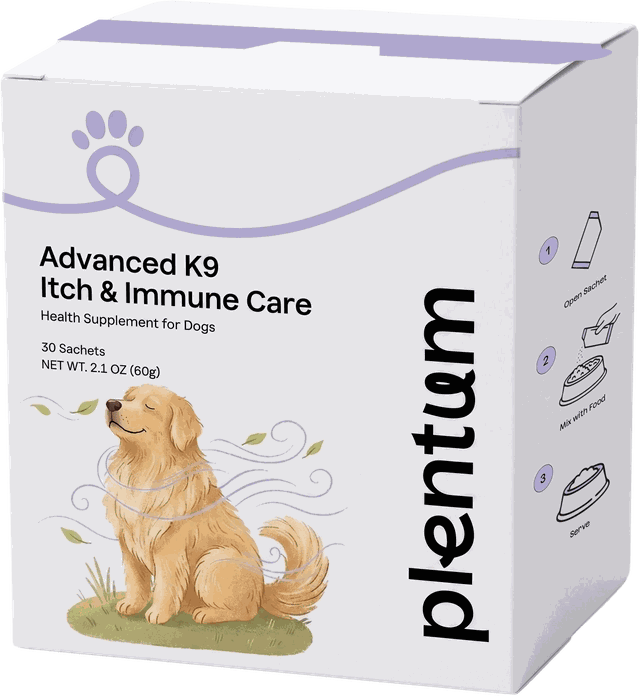

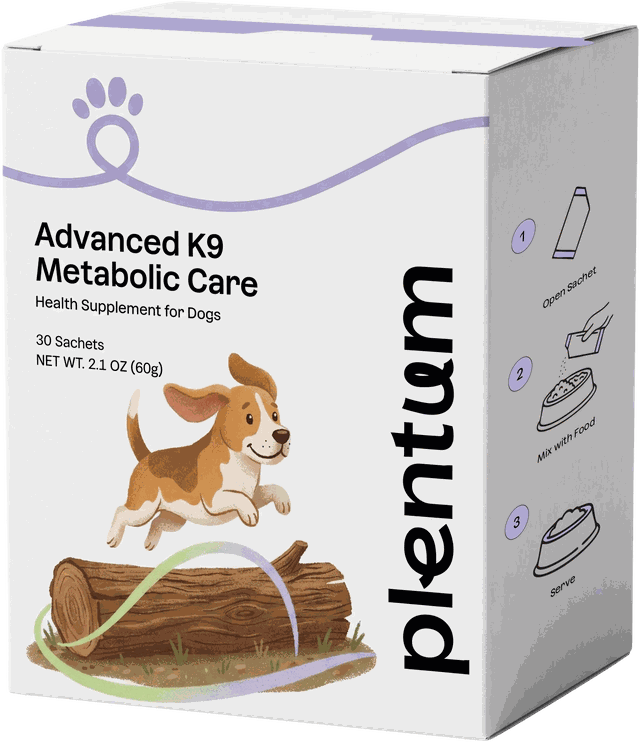


A certificate of analysis (CoA) is a lab report for one batch of a supplement.
To read it well, match the lot number on the report to the lot on your bag, check which tests the report covers.
A CoA shows what a lab measured, not how a dog will respond.
What is a certificate of analysis?
A CoA records lab results for one production batch, which the industry usually calls a lot.
Two bags from different lots can test differently, so a report for one lot does not describe the whole product line.
Find the lot number printed on your bag before you ask for a report.
Which sections should you check?
Reports differ in the tests they cover.
Use this table as a checklist while you read.
| Section | What it should show | Question to ask |
|---|---|---|
| Lot and date | Lot number and test or manufacture date | Does it match my bag? |
| Potency | Colony-forming units (CFU) per serving | When was the count measured? |
| Contamination | Microbial test results | Are actual results listed? |
| Testing lab | Name of the lab that ran the tests | Can you verify the lab? |
Why does the CFU count need a date?
Probiotic bacteria can lose viability as a product ages, so the useful number is the one guaranteed through the expiration date.
A count given only at manufacture tells you less about the bag in your cupboard.
Check the expiration-date guarantee on the label.
What can a certificate of analysis prove?
A CoA records specific test results for one lot.
It cannot show that your dog will feel better, and it does not confirm that a product suits your dog's health needs.
Research on probiotics in companion animals is still developing.
See this review of probiotics and the gut microbiome in companion animals.
Treat a clean report as one part of your choice.
What are the red flags on a report?
- No lot number, or a lot number that does not match your bag
- No test or manufacture date
- No way to reach the brand about the report
How do you ask a brand for one?
Write to customer support with the lot number from your bag, and ask for the CoA for that lot.
A brand that tests its products should be able to explain how to request it.
If the reply is slow or unclear, put that question to the brand before you buy again.
Save the lot number and expiration date with the report.
How Plentum fits
Every Plentum lot is lab-tested, and our quality testing page explains how we test.
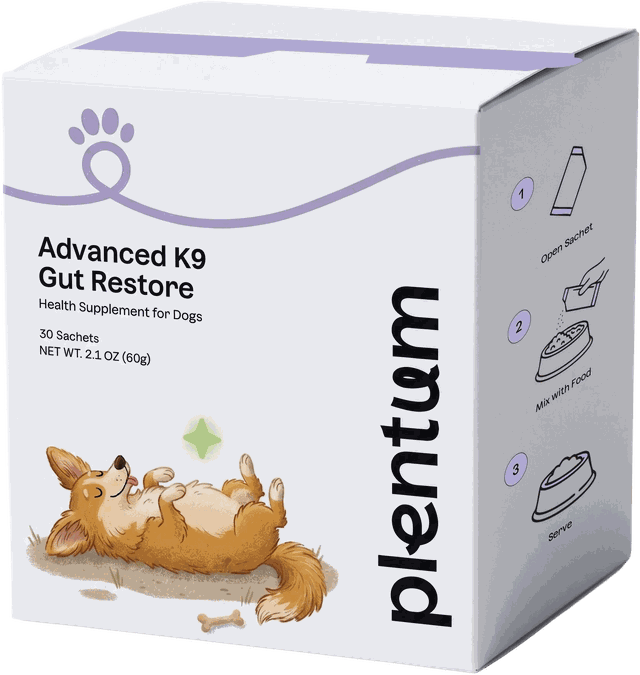
Plentum Advanced K9 Gut Restore provides 10 billion CFU, including S. boulardii.
It is a daily supplement, and you can start with a half dose for the first 3 days.
Give it 2 to 4 weeks of daily use before you judge it.
When should you call the vet?
A supplement is a daily add-on, not a substitute for a vet exam.
Call your vet if your dog has any of these signs:
- Blood in stool or vomit
- Repeated vomiting or diarrhea
- Lethargy or weakness
- Refusal to eat or drink
- Pain, a swollen belly, or straining
- Symptoms in a puppy or senior dog
The dog probiotics and supplements guide covers the category.
For more detail, read what to look for in a dog probiotic.
See probiotics for dogs with diarrhea for that specific use.
Sources
- ISAPP: Decoding a probiotic product label
- PubMed: Probiotics and the gut microbiome in companion animals (review)
- Plentum quality testing page
Frequently asked questions
Is a certificate of analysis a test on my dog?
No.
A CoA tests a batch of the supplement, not your dog.
It shows what the product contained when the lab tested it.
Where do I find the lot number?
Look for it printed on the bag or container, usually near the expiration date.
Write it down before you contact the brand.
Should I ask for a CoA from a well-known brand?
Yes.
Any brand should be able to match a lot to its report, whatever its size or reputation.
Does a clean CoA mean a supplement works?
Not on its own.
A CoA confirms what was tested and found in one lot.
Whether a supplement suits your dog is a separate question for your vet.