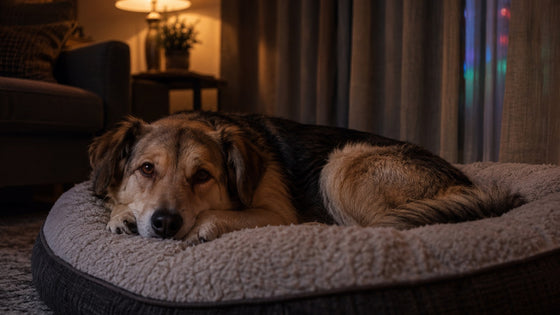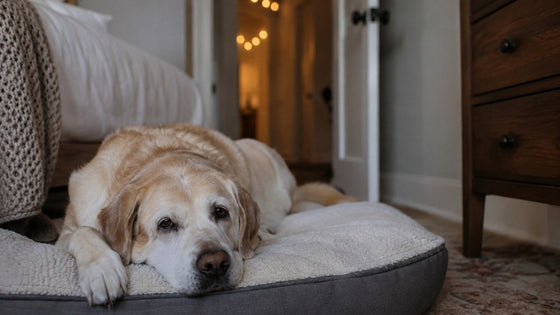










Panting, drooling, or restlessness on a long drive can involve nausea, fear, or both. Ask your vet about repeated vomiting.
Build comfortable practice rides gradually rather than pushing through distress.
Is it fear, motion sickness, or both?
Fear and motion sickness can overlap.
These observations are clues for a vet conversation, rather than a diagnosis from behavior alone.
| What you see | Points more toward |
|---|---|
| Drooling, lip licking, and yawning that build with the miles | Motion sickness |
| Vomiting or retching | Motion sickness |
| Shaking, pacing, whining, and refusing to get in the car | Fear |
| Panting and clinging to you before the engine starts | Fear |
| Fine on short trips, worse as the drive stretches on | Often both |
VCA notes that carsickness is common in young dogs.
A dog who has felt sick during travel may also become fearful.
Tell your vet about repeated nausea or vomiting so they can plan appropriate care.
Build up to long car rides
Begin with the easiest step your dog is comfortable with and progress only while they remain relaxed.
There is no fixed four-week deadline; shorten or stop a session if your dog becomes distressed.

| Step | Try | Move on when |
|---|---|---|
| Parked car | Brief time together, engine off | Your dog stays comfortable. |
| Engine running | A brief stationary session | They remain relaxed. |
| Short drive | A quiet trip to a familiar place | They stay comfortable throughout. |
| Longer journey | Increase gradually, with breaks | They tolerate the previous step. |
Keep the car comfortably cool and secure your dog in a suitable crate or vehicle harness.
Bring familiar bedding, and offer food toys or chews only during supervised stops if appropriate.
The day of the trip
Give your dog a familiar walk and a toilet break before loading the car.
Pack their regular food, water bowl, bedding, waste bags, and leash.
Clip the leash on before opening the car door.
At each stop, offer a short walk, a toilet break, and water.
Never leave your dog alone in a parked car. The cabin can heat quickly, even in mild weather.
Stops, food, and the stomach on the road
Plan regular stops for water, toilet breaks, and a short walk. Stop sooner if your dog is uncomfortable.
If they get carsick, ask your vet about meal timing. Avoid changing food or withholding meals without guidance.
Travel and unfamiliar guests can unsettle your dog’s stomach.
Keep food familiar, since new food and rich snacks can also cause loose stool.
Offer a small portion of your dog’s regular food at rest stops. Bring familiar drinking water when practical.
Contact a local clinic for ongoing diarrhea, refusing water, or unusual tiredness.
Where a calming supplement fits
Daily calming support fits alongside practice and a familiar routine.
Follow the product’s label rather than guessing about travel-day use.
Mix Calming Care into food according to its label. Motion sickness and severe fear need a vet's plan.
Ask your vet before use with prescription medication, especially a monoamine oxidase inhibitor (MAOI).
Safe use in pregnant or breeding dogs has not been established.
Use Match my dog or the supplement comparison to explore options.
For planning, see our guides to stressful events, travel essentials, and calm daily routines.
Practice drives do the heavy lifting, while added support fits dogs who still struggle on the road.
| Option | How it works | Best fit |
|---|---|---|
| Practice drives alone | Build ride length slowly with fun destinations | Fits mild unease that improves each week |
| Practice plus daily calming support | Pair training with daily support for relaxed behavior | Fits dogs who stay unsettled on longer rides |
| Vet motion-sickness care | Your vet checks nausea and prescribes care as needed | Fits drooling, retching, or vomiting in the car |
For travel planning, see our storm-and-travel calming guide.
Frequently asked questions
Should I keep driving if my dog becomes distressed?
Stop safely when possible and give your dog a break. Use easier practice sessions before attempting another long journey.
How can I tell fear from carsickness?
Fear and motion sickness can overlap. Note whether signs begin before the engine starts or develop during travel.
Discuss drooling, retching, or vomiting with your vet.
How long should the practice plan take?
Use your dog's comfort as the guide.
Repeat an easy step before increasing duration; a calendar is not a reason to push through distress.
What if my dog has vomiting or diarrhea on the trip?
Seek local veterinary advice, especially if signs repeat, your dog will not drink, or they seem weak.
Urgent signs need immediate care.
Sources
- VCA Animal Hospitals. Motion sickness in dogs. VCA Animal Hospitals
- American Kennel Club. Expert advice. AKC
- ASPCA. Travel safety tips. ASPCA
- Efficacy of maropitant for preventing vomiting associated with motion sickness in dogs. PubMed 17906225
- Efficacy and safety of maropitant, a selective neurokinin 1 receptor antagonist, in two randomized clinical trials for prevention of vomiting due to motion sickness in dogs. PubMed 19000275