








Quick answer: If you are asking why is my poodle not eating, rule out medical causes first: oral pain, ear problems, Addison's disease, kidney or liver trouble, infection and breed-specific immune or hormone issues. Stress and routine changes can also switch off appetite for a day or two. If your poodle skips two meals, is a puppy or senior, or has other symptoms, call your vet.
Key takeaways
- Poodles have breed-specific vulnerabilities (immunodeficiency, atypical Cushing's, ototoxicity risk) that can masquerade as simple inappetence.
- Postbiotics support gut balance and may help restore normal eating behavior when the root cause is digestive disruption.
- If your poodle skips more than two meals, shows other symptoms, or is a puppy or senior, call your vet.
- Never assume it's behavioral without ruling out the medical stuff first.

Medical causes that should top your worry list
Cracked teeth, abscesses, inflamed gums — poodles crowd in their mouths, and oral pain kills appetite faster than anything. Watch for drooling, pawing at the face, or a sudden switch to soft food only.
Then there's the heavy stuff. Systemic illness. Kidney trouble. Liver disease. Cancer. Infections.
A 2020 case report in the Journal of Comparative Pathology documented a 1-year-7-month-old toy poodle with disseminated Pneumocystis infection who presented with respiratory distress, weight loss, and melena (dark, tarry stools indicating GI bleeding).
That's an extreme case. But it proves a point: poodles can mask serious illness until appetite is the only outward signal.
Immune-mediated issues hit poodles harder than many breeds. That same Pneumocystis case showed depletion of immunoglobulin A and G in lymphoid tissue — a sign of underlying immunodeficiency.
Not every poodle has a broken immune system. Far from it. But breed-specific vulnerabilities are real, and your vet should know poodles are on the list.
Behavioral and environmental reasons (the less scary stuff)
Sometimes a poodle won't eat because life got weird.
Stress, anxiety, and routine disruption can shut down appetite within hours. A thunderstorm. A house full of guests. A boarding stay. Even a new collar can throw some dogs off their feed for a day or two.
Heat plays a role too. Many dogs eat less when it is hot, so check that your poodle has shade, fresh water and a cool place to rest.
And yes — some poodles are just picky. They've trained you. Even so, a picky eater should still be eating something every day, so rule out the medical causes before you settle on this explanation.
Where supplements fit
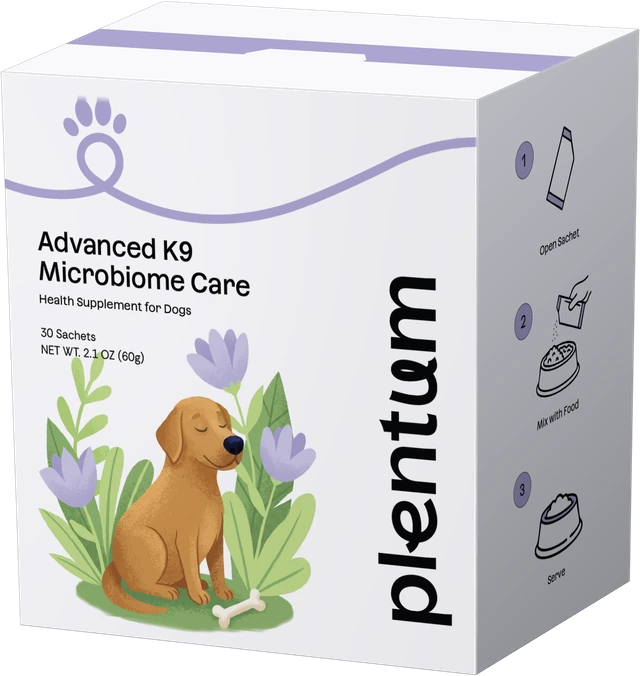
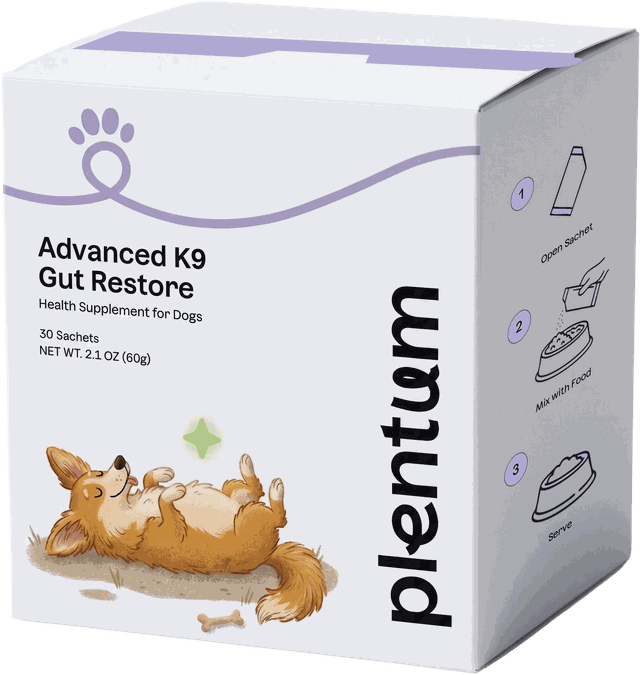
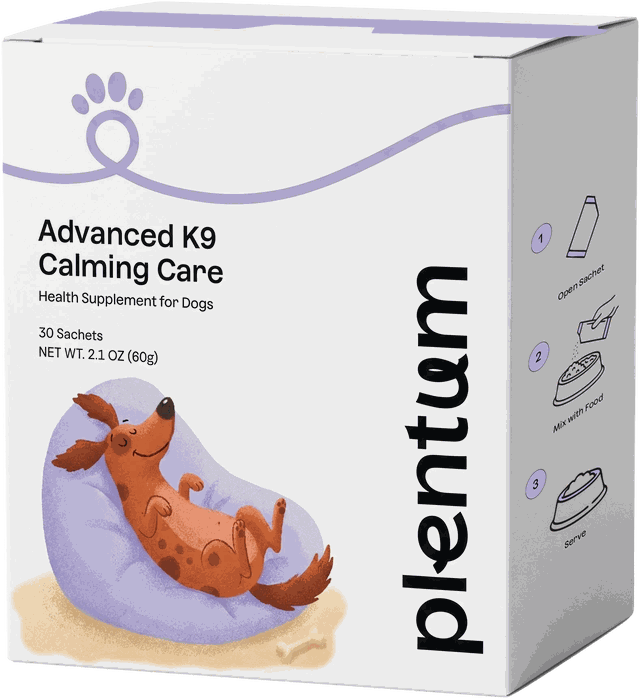
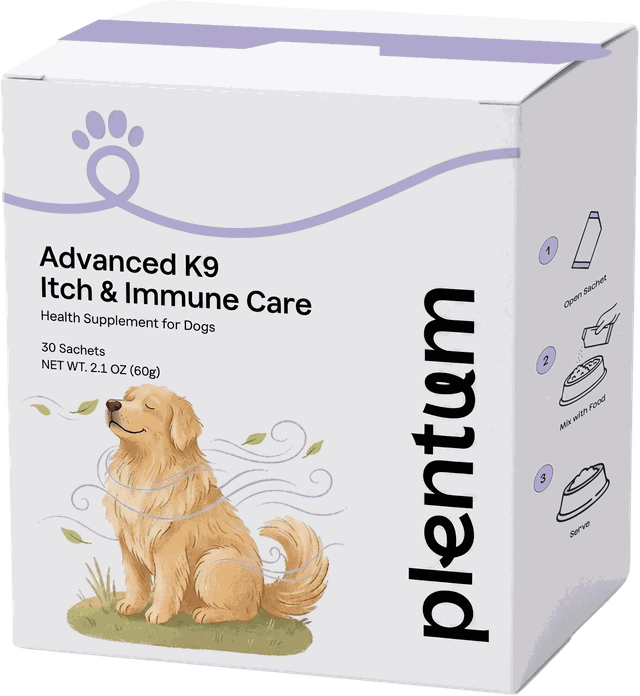
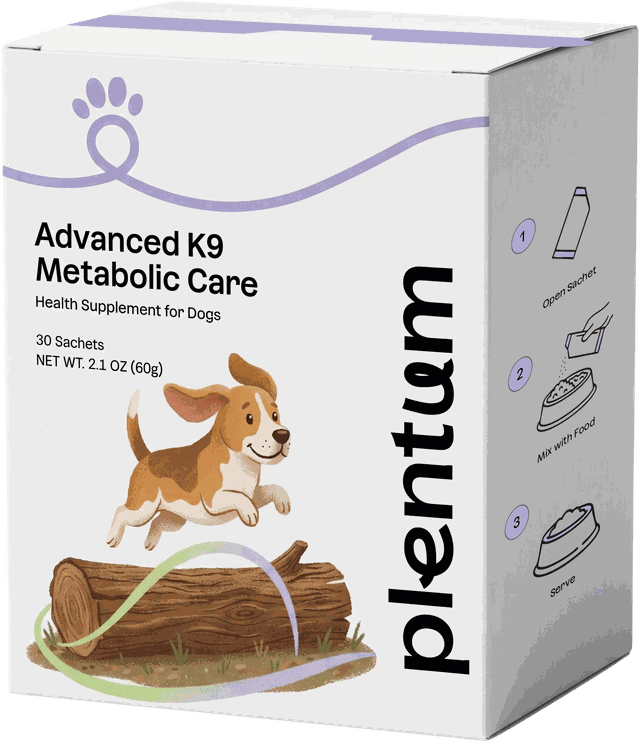
A supplement is never the answer to a poodle that has stopped eating. Your vet comes first, because loss of appetite can be the only outward sign of a medical problem. Once your vet has ruled out or is managing the cause, some owners add a daily gut and metabolic support routine to a consistent feeding schedule. Introduce anything new on its own, so you can see how your dog responds.
Supplement, not a medicine. Ask your vet if your dog has a health condition or takes medication. Contains chitosan (shellfish).
The poodle-specific stuff most owners never hear about
A 2007 review in Clinical Techniques in Small Animal Practice specifically notes that miniature poodles can present with sex steroid imbalance, where the only obvious sign might be trunkal hair loss — not the textbook "drink and pee a lot" picture.
Appetite changes sneak in alongside.
Ear problems and hearing risk
Ear problems are another sneaky trigger. Poodles get ear infections constantly, thanks to those gorgeous hairy ear canals. Treatment often involves topical medications.
A 2022 German analysis in Tierarztliche Praxis looked at hearing loss reports following topical otic treatments and found that Miniature Poodles were among the most frequently affected breeds, alongside West Highland White Terriers, Dalmatians, and French Bulldogs.
Ear pain or vestibular discomfort kills appetite. If your poodle is mid-treatment and stops eating, that's a connection worth raising with your vet.
Addison's disease
Addison's disease also shows up in poodles more than the average breed. It's an endocrine disorder where the adrenal glands don't produce enough cortisol.
Appetite loss is one of the core signs, alongside lethargy, vomiting, and that vague "just not himself" look. If your poodle has a waxing-waning appetite and occasional GI upset that never quite resolves, ask your vet about an ACTH stimulation test.
What you can actually do at home (before you panic)
Step one: don't immediately switch foods. That creates a rotation problem. Wait and watch for 12–24 hours before making changes.
Step two: check the basics. Is the water bowl fresh? Is the food stale? Has anything changed in the house? Sometimes the answer is embarrassingly simple.
Step three: warm the food slightly. A few seconds in the microwave — 10–15 seconds per cup — releases aroma. Poodles respond to smell first.
Step four: try a topper:
- Low-sodium bone broth (no onion or garlic)
- A spoonful of plain canned pumpkin (not pie filling)
- A sprinkle of parmesan cheese
- Plain boiled chicken, skinless and boneless
Offer small amounts, and stop if your poodle vomits or shows any other symptom. A topper is a way to tempt a mildly off-colour dog, not a substitute for a vet visit when something more serious may be going on.
When gut health is the missing piece
Here's something worth sitting with: a huge chunk of appetite regulation happens in the gut. Not the brain — the gut.
The microbiome, the lining, the immune cells living right there in the intestinal wall all communicate with appetite centers. When that ecosystem is off — after antibiotics, after stress, after a bout of GI upset — appetite often drops.
Unlike probiotics (live bacteria) or prebiotics (food for bacteria), postbiotics are the beneficial compounds bacteria produce.
They're stable, they're well-tolerated, and emerging research on postbiotics for dogs points to possible benefits for gut barrier integrity and immune balance. The evidence is still early.
If your poodle's appetite dip has a digestive flavor — soft stools, gassiness, that general "tummy seems off" vibe — gut support could be the missing link. Talk to your vet about it first.
Red flags that mean "call your vet now"
Skip two meals in a row? Call. Puppy or senior poodle skipping meals? Call. Any of these alongside appetite loss? Call immediately:
- Vomiting or diarrhea, especially with blood
- Lethargy or hiding
- Bloating or a distended belly
- Difficulty breathing
- Yellow gums or pale gums
- Inability to keep water down
- Sudden weight loss
Poodles can deteriorate faster than you'd expect when they're not eating, especially small ones.
Toy poodles in particular can hit hypoglycemic crisis within hours if they're not eating and they're already tiny. Don't wait it out.
Supporting recovery once the vet gives the all-clear
Once medical causes are ruled out or addressed, recovery is about rebuilding routine and gut health together. Stick to a consistent feeding schedule. Choose highly digestible food.
Skin and coat often reflect what's happening inside the gut, so if your poodle is recovering from a rough patch, don't be surprised if coat quality dips too.
Nutrition basics that support skin health — quality protein, omega fatty acids, and a balanced microbiome — also support appetite recovery.
The team at Plentum has a useful primer on Dog Coat Health: Nutrition Basics for a Shinier, Softer Coat worth bookmarking.
And if you're weighing gut support options, the postbiotic approach is worth a serious look, once your vet agrees.
Primary veterinary reference
Use this owner guide alongside the WSAVA Global Nutrition Guidelines and the advice of the veterinarian managing the individual animal.
Frequently asked questions
Why is my poodle not eating?
Common medical causes include oral pain, ear problems, Addison's disease, kidney or liver trouble and infection. Stress, heat and routine changes can also switch off appetite for a day or two. If your poodle skips more than two meals or shows any other symptom, call your vet.
Why won't my poodle eat when nothing seems wrong?
Sometimes a poodle won't eat because life got weird. A thunderstorm, house guests or a boarding stay can shut down appetite within hours. If it lasts beyond a day or two, rule out the medical causes with your vet.
How long can a poodle go without eating?
Call your vet if your poodle skips two meals in a row. Puppies, seniors and toy poodles should be seen sooner, because small dogs can deteriorate quickly and may develop dangerously low blood sugar within hours.
Can gut health affect my poodle's appetite?
Yes. Much of appetite regulation involves the gut, and appetite often drops after antibiotics, stress or a bout of GI upset. Ask your vet whether gut support, including postbiotics, makes sense once medical causes are ruled out.


