





These days your dog naps through the walk they used to wait at the door for. It's natural to wonder whether a vitamin would help.
Sometimes it will, but only when it fills a real gap: a diet that falls short, a dog who's eating less, or something your vet has flagged. A complete senior food often covers the basics already. Go carefully with vitamin D, which can be toxic in excess.
What worked at age 3 may not be enough later. A Lab or another large breed is usually a senior by 7, while a Chihuahua might not get there until 10. Around then, their metabolism slows and their body absorbs nutrients less well. Their joints, memory and immune system start to change too.
Two checks before choosing vitamins for a senior dog
- A complete senior dog food often covers the basics, so avoid stacking supplements blindly.
- Fat-soluble vitamins such as vitamin D can cause problems when the total intake is too high.
What vet guidelines say about senior vitamins
| Question | Evidence-based takeaway | Source |
|---|---|---|
| Do all senior dogs need vitamins? | AAHA senior-care guidance starts with assessment of body condition, nutrition review, mobility, cognition, dental status and individualized care. | AAHA Senior Care Guidelines for Dogs and Cats |
| How should nutrition be assessed? | WSAVA recommends a diet history, body and muscle condition scoring, label review and veterinary advice before changing a diet or adding products. | WSAVA Global Nutrition Guidelines |
| Can vitamins be overdone? | The Merck Veterinary Manual notes that complete diets generally meet vitamin and mineral needs, while imbalanced diets or excess intake can create deficiency or toxicity concerns. | Merck Veterinary Manual: Nutritional requirements of small animals |
| Which vitamin risk is easy to miss? | The FDA warns that too much vitamin D can be toxic for dogs, because the body doesn't clear the excess quickly the way it does a water-soluble vitamin. | FDA: Vitamin D toxicity in dogs |
What changes as your dog gets older
An older dog's gut doesn't work quite as hard as it used to, and the mix of bacteria living there gets less varied. Their antioxidant defenses weaken, and their body is slower to patch itself up. None of it lands all at once, and it varies a lot from dog to dog.
That's why a supplement should come after a look at what your dog already eats. A senior on a complete, balanced diet with no particular concern may need nothing extra. A dog who's picking at meals or dealing with an upset stomach may do well with one targeted addition.

The 7 vitamins and nutrients owners ask about most
1. Omega-3 fatty acids (EPA & DHA)
Omega-3s may support skin, coat, and cognitive health in some older dogs.
2. Probiotics
Some seniors start having softer stool, appetite swings or a disrupted microbiome. A multi-strain probiotic or synbiotic may support their digestive routine. If the problem sticks around, get your vet's read on it before you keep going with the same product.
3. Vitamin E
Vitamin E is a fat-soluble antioxidant that helps protect cell membranes. Any extra should fit the complete diet and your vet's plan, because fat-soluble vitamins can tip the overall balance of nutrients.
4. B-complex vitamins
B vitamins support energy metabolism and nerve function. If your senior has chronic GI disease, a poor appetite, weight loss or lab results that point that way, ask your vet about checking B12.
5. Coenzyme Q10 (CoQ10)
Your vet may mention CoQ10 as part of a senior wellness plan. It's no substitute for a diagnosis or treatment when the concern is the heart, energy or mobility.
6. Prebiotics & postbiotics
Prebiotics are fibers that feed beneficial gut bacteria, and postbiotics are the compounds those bacteria make. Either can be part of an older dog's gut routine. Judge them by what happens to stool, appetite and energy over several weeks.
7. Colostrum
Colostrum contains immunoglobulins and other bioactive compounds, but product quality and how your dog tolerates it both matter. It's a nice-to-have. If your dog has an immune or gut problem, that's a job for your vet.
One combined product or several bottles?
A shelf of separate bottles is hard to keep straight, and every extra one raises the odds of doubling up on the same nutrient. A combined product makes mornings easier, but it still has to fit your dog's food, medications and your vet's advice.
Whichever way you go, add up each nutrient across everything your dog eats and takes. The number on one label is only part of the total.
Signs it's time for a diet review
If you're seeing any of these, mention them at your next vet visit. Sometimes it's the food, and sometimes it's something that needs a closer look:
- Stiffness, or hesitating before jumping on the couch or climbing stairs
- A dull, dry or thinning coat
- More gas, soft stool or constipation than usual
- Less energy, or less interest in walks and play
- Confusion, getting lost in familiar places or a changed sleep schedule
Keep a dated note on your phone whenever you spot one. It makes the vet visit more useful, and later it shows you whether a change is doing anything.
Five supplements, each aimed at a different need
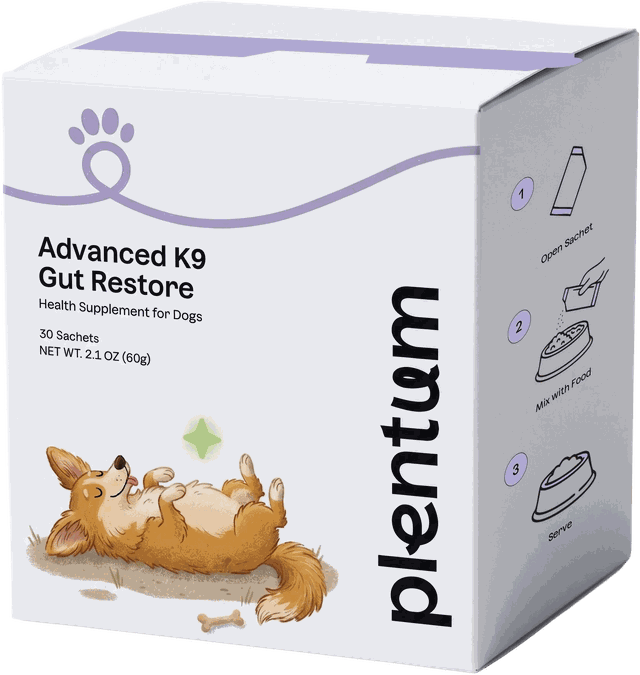
- Gut Restore It supports normal bowel function and healthy stool consistency, and helps maintain a balanced gut. From $1.50/day
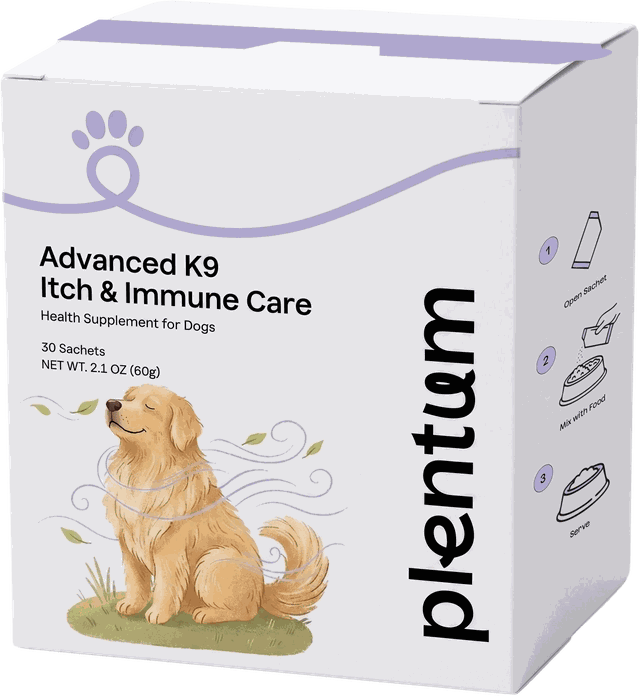
- Itch & Immune Care It supports a normal immune response to environmental and seasonal triggers, and helps maintain a healthy coat. From $1.50/day
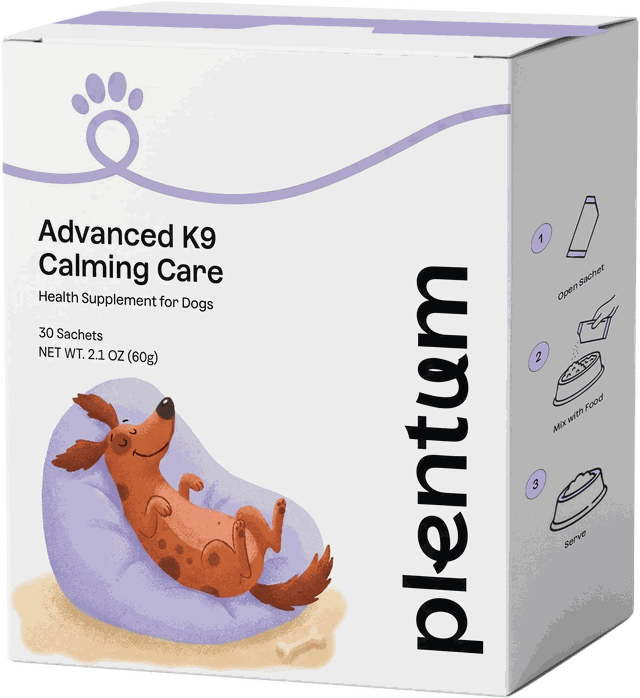
- Calming Care It supports a calm, relaxed demeanor during occasional situational stress such as storms, travel, or vet visits. From $1.50/day
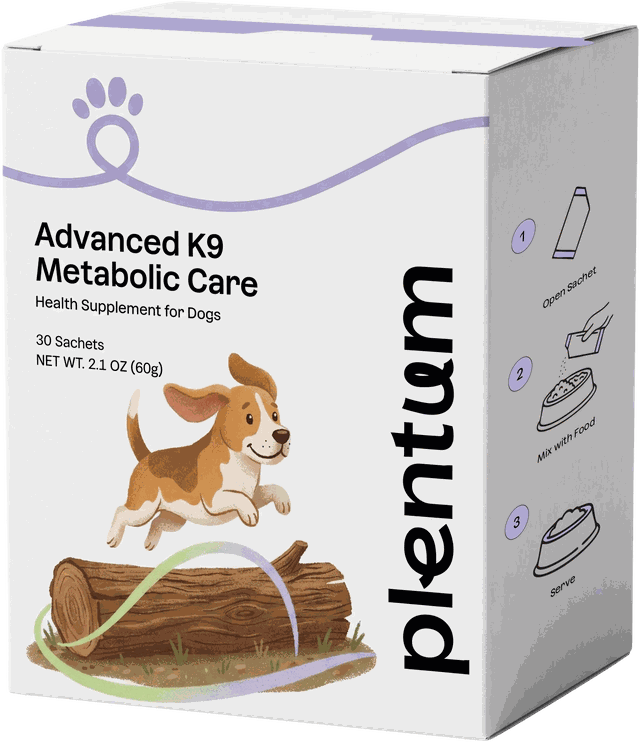
- Metabolic Care It supports healthy weight management alongside measured portions and daily exercise. From $1.50/day
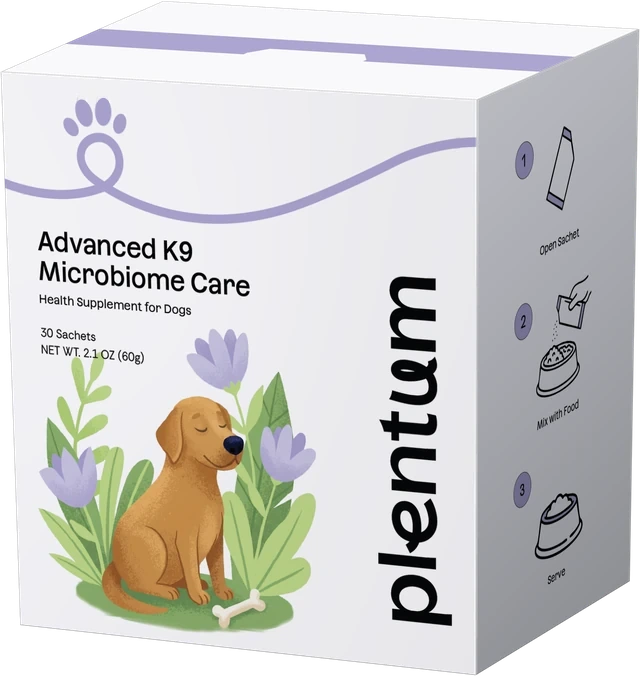
- Microbiome CareFits this guide It’s a daily powder with a postbiotic and prebiotic foundation, plus colostrum and omega-3, to support gut, oral, skin, and coat health. From $1.17/day
Where a supplement fits
For a lot of senior dogs, the most useful supplement is the one that fills a specific gap your vet has found. A combined daily product can suit a dog who needs a few small supports, as long as you check its label against the rest of the diet.
Frequently asked questions
How do I choose reliable dog vitamins for seniors?
Start with your vet's exam and a look at your dog's current diet. Pick a product whose label lists each nutrient and amount, make sure it doesn't overlap with their complete food or other supplements, and revisit the choice after a few months.
What vitamins and nutrients does a senior dog need most?
It depends on the dog, and a complete, balanced diet comes first. Some seniors benefit from omega-3s, probiotics, or specific B vitamins when a vet finds a gap, based on bloodwork, body condition, and symptoms.
Are multivitamin chews worth it for a senior dog right now?
They can help when a diet gap is confirmed, but most seniors on a complete food don't automatically need one. Doubling up on fat-soluble vitamins can cause problems, so check the totals.
Which dog supplements are specifically formulated for dogs over 7?
Plenty are marketed for older dogs, but age alone shouldn't decide. Large breeds age earlier than small breeds, and your dog's diet and health matter more than the age on the label, so compare the ingredient list with what your dog needs.