





The candy bag is torn, a pie plate is on the floor, and your dog looks pleased. Start by identifying what’s missing.
If chocolate, xylitol, raisins, or an unknown candy mix may have been eaten, contact a vet or poison control immediately.
ASPCA advises calling even when a pet looks normal. Some poisoning effects take time to appear.
Is canned pumpkin the same as pumpkin pie filling?
Check the ingredient list on the can. Plain canned pumpkin and pumpkin pie filling are different products, even when the pictures look similar.
| Product | What to check |
|---|---|
| Plain pumpkin purée | 100% pumpkin |
| Pumpkin pie filling | Sweeteners, spices, and other ingredients |
| Pie or seasonal baked goods | Full recipe, including chocolate or raisins |
AKC distinguishes pure pumpkin from pumpkin spice foods.
Plain pumpkin can be appropriate for dogs; rich, sweetened, or spiced desserts can upset digestion.
A pie filling doesn’t automatically contain xylitol. Read the actual label or recipe, including any sweetener added at home.
If your dog ate filling, keep that information for the vet. The ingredients, quantity, and your dog’s size help determine the response.
Don’t use pumpkin to manage a suspected toxic exposure at home. Follow the professional instructions you receive.
What if my dog ate raw pumpkin while we were carving?
Save a description of what was eaten, including whether it was fresh flesh, skin, stem, or an old carved pumpkin.
For planned feeding, AKC recommends roasted, peeled flesh or 100% pumpkin purée.
If raw pumpkin was already eaten, describe the amount and any symptoms when you call.
Discard old carved pumpkins before they develop mold. ASPCA warns that moldy pumpkins can cause tremors or seizures.
Which Halloween candy needs an urgent call?
The candy’s ingredients matter more than its wrapper color.
An assorted bag can contain several hazards, and the missing amount may be uncertain.
- Chocolate can cause poisoning. Risk depends on the type and amount eaten; darker chocolate generally carries more risk.
- Xylitol can cause dangerous low blood sugar and liver injury. It appears in some gum, candy, and baked goods.
- Raisins and grapes can damage dogs’ kidneys. Check chocolate-covered raisins and mixed snack bags.
These hazards are described in ASPCA’s guide to unsafe people foods. AKC also warns that xylitol products aren’t always labeled sugar-free.
A familiar brand name won’t answer whether this particular product is risky. Save the package so a professional can check the ingredients.
Don’t rely on a remembered “safe amount” of chocolate.
VCA’s chocolate guidance explains why the type and quantity change the assessment.
What if my dog ate the wrappers, too?
Tell the vet about wrappers, lollipop sticks, or other packaging, even if you don’t think the candy itself contained a toxic ingredient.
AKC warns that swallowed wrappers can lodge in the throat or intestinal tract. Their risk is separate from poisoning.
A dog who develops vomiting or abdominal discomfort after swallowing packaging needs veterinary advice.
Don’t wait for a wrapper to appear in stool.
Can a few table scraps cause a problem?
The full dish matters. Meat under gravy, a sauce-coated plate, and plain cooked food can have very different ingredients.
- Keep fatty meat trimmings, drippings, and greasy leftovers out of reach because they can cause digestive illness, including pancreatitis.
- Check sauces, stuffing, and seasoning mixes for onion or garlic, which can damage dogs’ red blood cells.
- Keep cooked bones out of reach because they can splinter and injure the digestive tract.
- Keep skewers and corn cobs away from dogs because they can cause a blockage.
ASPCA describes the risks of greasy leftovers and swallowed objects. Its people-food guide above covers onion and garlic.
Removing onion pieces doesn’t make a dish cooked with onion safe. Include the sauce or gravy in your description.
If your dog swallowed a cooked bone, AKC recommends contacting your vet. Tell the clinic about any pain or vomiting.
What should I have ready when I call?
You don’t need to reconstruct every detail before seeking help. Tell the professional what you know and what remains uncertain.
ASPCA explains what its specialists will ask. Save any case number and callback details you receive.
If your regular clinic is closed, use an emergency veterinary hospital or poison control.
A closed office doesn’t make a suspected exposure less urgent.
Don’t induce vomiting or give a home remedy unless a veterinary professional directs you.
ASPCA warns that these attempts can cause harm.
How do I keep food out of reach?
Before guests arrive, put candy and desserts in closed storage. Clear plates promptly, and secure the trash after cooking and candy sorting.
Give children and guests a designated dog treat they can offer with permission. That makes the house rule easier to follow.
Our Halloween safety guide covers the door, costumes, and decorations. For everyday food choices, see our gut-healthy foods guide.
If you’re considering pumpkin for a regular meal, our pumpkin guide provides background. Ask your vet about an amount appropriate for your dog.
Where everyday gut and oral support fits
Once any exposure has been assessed, return to the feeding and follow-up plan your vet recommends.
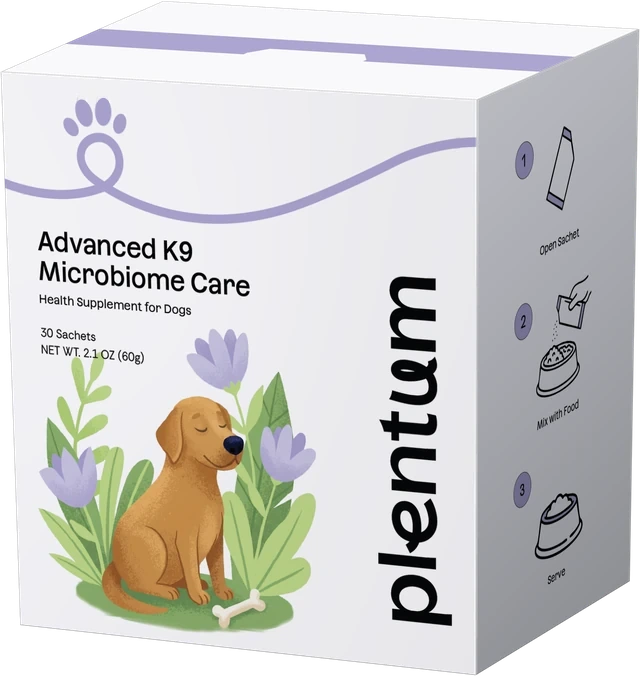
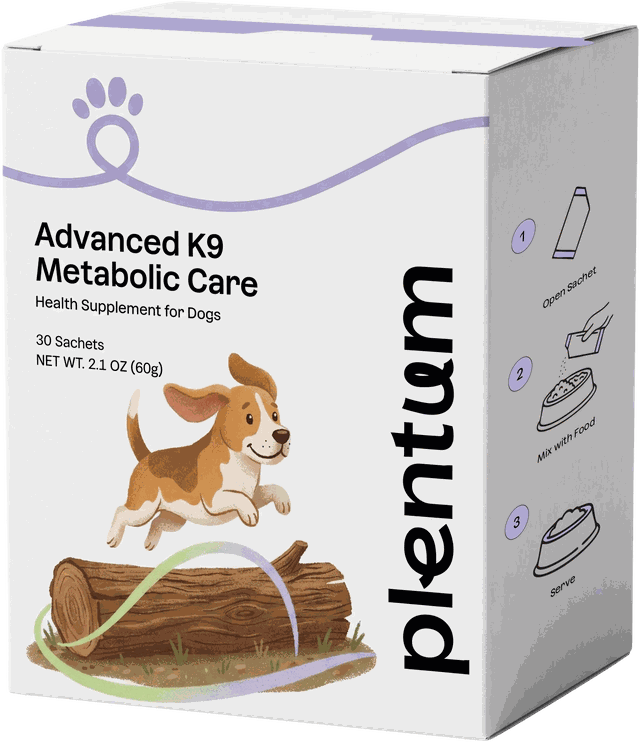
For everyday care, Advanced K9 Microbiome Care supports daily gut and oral health.
Use its oral support alongside regular brushing and dental care.
Give this daily supplement according to the weight-based label directions.
Keep emergency contact details somewhere everyone caring for your dog can find them.