








If your dog starts howling, note what happened just before the sound began. Dogs howl to communicate.
VCA lists high-pitched sounds, attention, and distress when left alone as triggers. Check whether it's a familiar response to a passing noise or a new howl with no clear trigger.
Why do dogs howl?
-
Answering a sound
Your dog may join in when they hear a siren, music, or another dog, as VCA explains. -
Keeping in touch
VCA describes howling as a way for dogs to communicate their location and find one another. -
Asking for attention
VCA says some dogs howl to communicate their need for attention. -
Being left alone
The VCA guide links howling during your absence to distress about the separation. -
Breed tendency
The AKC notes that some breeds are more likely to howl than others. -
Expressing discomfort
AKC guidance lists illness or pain as possible reasons for a change in your dog's usual vocal behavior.

Why does my dog howl at sirens?
VCA says many dogs howl at high-pitched sounds like sirens and music. A dog howling at a siren likely stops when the sound stops. If your dog keeps howling after the siren passes, note it in the log below.
Which dogs howl the most?
The AKC names Siberian Huskies, Chow Chows, and Basenjis among breeds that howl more often. Beagles and other hounds are also known for baying, a howl-like bark. Your own dog's usual behavior is still the best comparison when something changes.
How to tell what your dog's howl means
Copy this log and add a line each time your dog howls. The first two rows show how an entry might look. Check your dog's body language alongside the sound, using our guide to dog body language.
| Day | When it started | What happened just before | How long | What helped |
|---|---|---|---|---|
| Monday | During dinner | An ambulance passed | Until the siren faded | The street became quiet |
| Tuesday | After I left | I closed the front door | Unknown; I was away | Unknown; check next time |
How to help a dog who howls a lot
Choose an action that fits what you've observed. Keep a note of what you tried so you're comparing similar situations.
- Give your dog regular exercise and time to sniff on walks. Choose an outing that suits your dog.
- Close windows near street noise, or try gentle white noise in the room where your dog rests. Record whether your dog settles more easily.
- For attention-seeking howls, VCA recommends rewarding only quiet behavior. The AKC also suggests teaching a quiet cue or rewarding another behavior.
- Practice brief absences that your dog can handle comfortably, and build gradually. Read more about dogs who struggle when left alone before extending the time, and return to an easier step if your dog becomes distressed.
- VCA says dogs who struggle when left alone often respond to distractions such as chew toys, music, or television. Introduce a toy while you're home so you can check that your dog knows how to use it safely.
When howling needs a vet
Changed howling in an older dog can signal pain or illness. Nighttime vocalizing can accompany age-related changes in thinking, so see your vet.
| Usually everyday | Worth a vet call |
|---|---|
| A familiar pattern with an obvious trigger | No familiar explanation |
| Back to normal right after | Other behavior changes alongside the sound |
| An occasional voice you recognize | A marked increase from the usual pattern |
| Your dog settles comfortably | Extreme panic, self-injury, or escape attempts |
Questions owners ask
My dog started howling after we moved. Where do I start?
The AKC notes that lonely dogs may howl to request company. Start with short absences your dog can handle comfortably.
My dog keeps howling at night. What should I record?
Sounds outside or wanting company may explain nighttime howling, based on the triggers described by VCA and the AKC. Record what happened just before it began; for new or increased howling in an older dog, follow the vet guidance above.
Should I stop my dog from howling?
A familiar, occasional howl can be normal communication, as the AKC explains. If it disturbs neighbors, choose the action above that fits the trigger you've observed.
My puppy howls in the crate overnight. What can I do?
The AKC says lonely dogs often howl. Practice leaving your puppy alone for short periods they can handle comfortably.
My neighbors hear howling while I'm out. What should I ask them?
Howling during your absence can reflect distress when left alone, as VCA describes, though sounds can also set it off. Ask your neighbors when it starts and whether it continues or comes and goes, then add their observations to the log.
Related reading
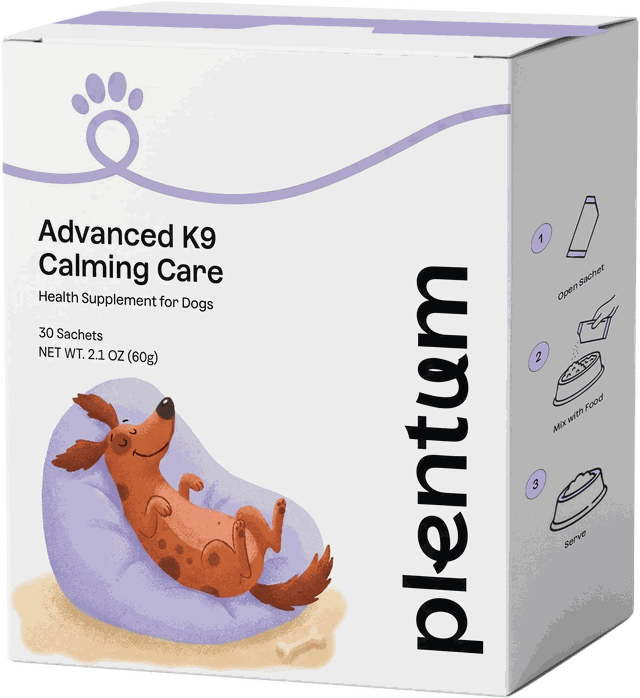
Shop the supplements You can compare our supplements if you’re looking at options for your dog’s routine. For practical steps with your dog, start with our training-first calm dog guide. If you’re exploring supplements for your dog, Match my dog takes you to our quiz.