




If each Halloween doorbell sends your dog running, prepare a familiar quiet room before visitors arrive.
Cover the bell with a polite sign, secure the front door, and keep candy out of reach.
These steps make the evening easier to manage before your dog is overwhelmed.
What does Halloween stress look like in a nervous dog?
Dogs may show subtle stress cues before barking or charging the door.
Our body language guide helps you notice them and offer quiet space early.
- Yawning when not tired, licking lips, or panting in a cool room.
- Pacing, hiding behind furniture, or letting out sharp alert barks.
- Showing a tucked tail, pinned ears, whale eye (whites of the eyes), or freezing.
Where should a nervous dog be during trick-or-treat hours?
The ASPCA recommends a separate comfortable room away from the front door for pets who struggle with visitors.
Add a bed, water, and a familiar food toy; use quiet background sound rather than loud music.
| Stage | What to do | Why it helps |
|---|---|---|
| Afternoon | Walk your dog before dark while streets are quiet. | Meets exercise needs before costumed crowds arrive |
| An hour before dark | Set up the room and confirm ID. | Protects your dog if an entry door opens |
| First knock | Offer the quiet room, background sound, and a chew. | Masks porch commotion right as visitors start |
| After the last knock | Check for dropped candy before letting your dog out. | Keeps your dog away from dropped candy or wrappers |
How do you handle the doorbell and the front door?
Manage the entry on Halloween rather than expecting a new behavior on a busy night.
Assign an adult to the door and keep a secure barrier between your dog and the foyer.
Use our doorbell settle plan for quieter practice days.
| Focus | Manage on Halloween | Train over two weeks |
|---|---|---|
| Doorbell | Cover the bell with a polite sign. | Practice calmly with quiet sounds and rewards. |
| Candy handout | Sit on the porch or place a candy bowl outside. | Practice calm door openings with one helper. |
| Dog's spot | Use the quiet room set up above. | Send your dog to lie on a mat for rewards. |
What about costumes, candy, decorations, and the trick-or-treat walk?
| Hazard | What to do | Source |
|---|---|---|
| Chocolate | Store chocolate securely, especially dark or baking chocolate. | ASPCA and AVMA |
| Xylitol | Store sugar-free candies, gum, and baked goods out of reach | ASPCA and AVMA |
| Raisins and grapes | Keep raisin boxes and grape snacks off low tables | AVMA and ASPCA |
| Wrappers | Collect wrappers promptly and keep candy bowls out of reach | AKC |
| Costumes | Skip outfits unless your dog stays comfortable. | ASPCA and AVMA |
| Glow sticks | Keep glow sticks and jewelry out of reach. | AVMA and AKC |
| Candles and cords | Use flameless candles; secure decorations and cords. | AVMA, ASPCA, and Cornell |
| The route | Leave your dog home instead of taking them trick-or-treating | Cornell and AVMA |
Crowds, costumes, and props can startle dogs. Cornell advises keeping dogs home instead of taking them trick-or-treating.
Any costume must allow comfortable movement, sight, hearing, and breathing.
Never leave a costumed dog unsupervised.
Our Halloween safety guide covers these checks.
What if the night goes badly, or fear lasts past the night?
Suspected chocolate, xylitol, grapes, raisins, or other toxins mean an immediate call to a vet or animal poison control.
Keep the packaging and estimate what was eaten. Do not wait for symptoms.
The ASPCA’s food-hazard guidance explains these risks.
Call your clinic for mouth pain or heavy drooling after a glow stick, an injury, or panic that continues.
Snapping, biting, or worsening fear needs a behavior professional experienced in reward-based training.
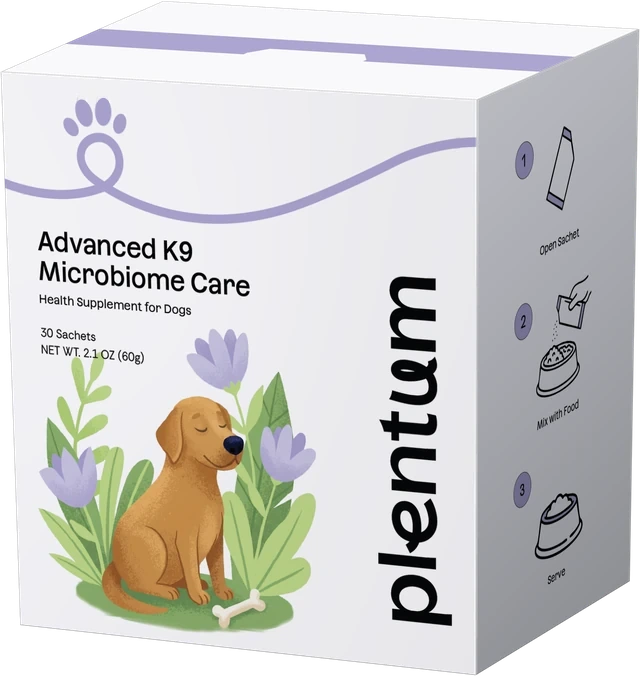
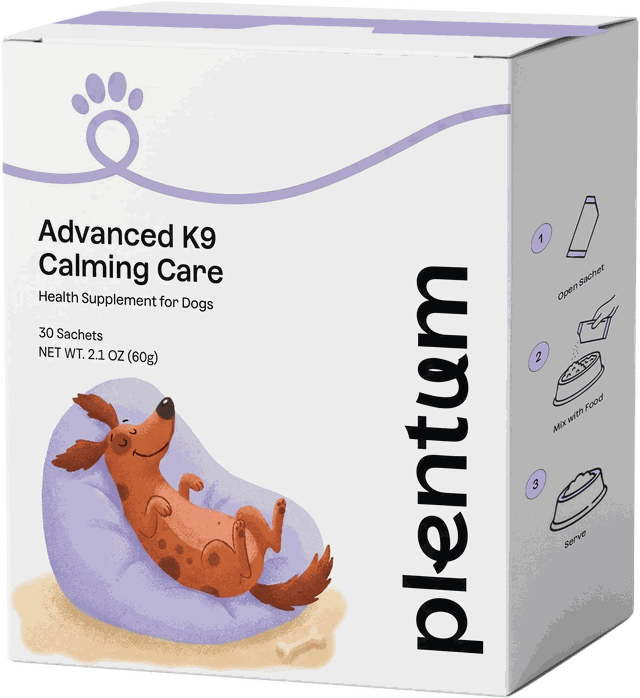
Where does a calming supplement fit?
Try new products on an ordinary day.
Follow the label directions for your dog's weight and mix the supplement into food.
Ask your vet before use with prescription medication, especially a monoamine oxidase inhibitor (MAOI).
Safe use in pregnant or breeding dogs has not been established.
How do you prepare for the next loud night?
Keep the quiet room available for later noisy events.
Start preparation well ahead when possible; our fireworks plan explains the next steps.
Frequently asked questions
Why does my dog bark at the Halloween doorbell?
The bell may predict visitors and excitement.
Repeated arrivals can make the evening harder, so manage the doorway and offer a quiet place before visitors start.
Should my dog wear a costume?
Your dog should wear a costume only if they are comfortable and the outfit fits safely. Remove it at the first sign of distress.
Should I take my dog trick-or-treating?
Keep a nervous dog home in a familiar space. Walk earlier while the streets are quieter.
What if my dog eats Halloween candy?
Contact a vet or animal poison control immediately and keep the packaging. Do not wait for signs of illness.
Should I first try a daily supplement on Halloween?
Choose an ordinary day to introduce a new product and follow its label.
A stressful evening makes changes harder to interpret.
Sources
- AVMA, Halloween pet safety.
- ASPCA Poison Control, People Foods to Avoid Feeding Your Pets.
- ASPCA, Halloween Safety Tips.
- AKC, Dr. Jerry Klein, Halloween Safety Tips for Dogs: Avoid Common Holiday Hazards.
- VCA Animal Hospitals, Dog Behavior Problems - Greeting Behavior, Door Charging.
- Cornell Chronicle, Hairy, not scary: How to have a pet-friendly Halloween.