





Brush your dog's teeth with a dog toothpaste and a soft finger brush or toothbrush, and build up at your dog's pace.
Start with touch and treats, then move to lifting the lips, then to a few seconds of brushing.
Never use human toothpaste, because some contain xylitol, which is toxic to dogs.
What do you need to start?
Use dog toothpaste and a finger brush or soft dog toothbrush.
Choose a quiet place where your dog feels calm.
Choose a toothpaste made for dogs, since it is designed to be swallowed safely.
Do not use baking soda, salt, or any product made for people.
How do you train your dog to accept brushing?
Go slowly, and stop before your dog gets stressed.
Keep sessions short and reward comfortable participation.
Repeat an easy step before increasing the amount of brushing.
| Stage | Step |
|---|---|
| Start | Touch the muzzle and lips, then reward |
| Lip handling | Lift the lip briefly, then reward |
| Toothpaste | Let your dog taste dog toothpaste from a finger |
| Tooth contact | Touch an outer tooth gently, then reward |
| First brushing | Brush an outer tooth briefly, then reward |
| Build gradually | Add more teeth only while your dog stays relaxed |
| Daily routine | Brush outer teeth and gums, then reward |
Finger brush or toothbrush: which should you use?
A soft toothbrush and a fingertip brush are both options.
Choose a tool that fits your dog's mouth and is comfortable to use.
Pick the one your dog accepts, and change tools only if the first one causes stress or does not clean well.
Keep sessions at the same time of day, such as after a walk or before dinner, so the routine becomes familiar.
Stop on a good note, even if you only brushed one tooth.
Let your dog move away if they become tense.
Once brushing is comfortable, make it a daily routine.
Rinse the brush after each use and let it dry, so it stays clean for the next session.
When should you call the vet?
- Bleeding gums that continue after brushing
- Swelling on the face or under one eye
- Dropping food or chewing on one side
- Pawing at the mouth or refusing to be touched
- Loose or broken teeth
If your dog reacts painfully to brushing, stop and book a vet exam before you try again.
How does Plentum fit?
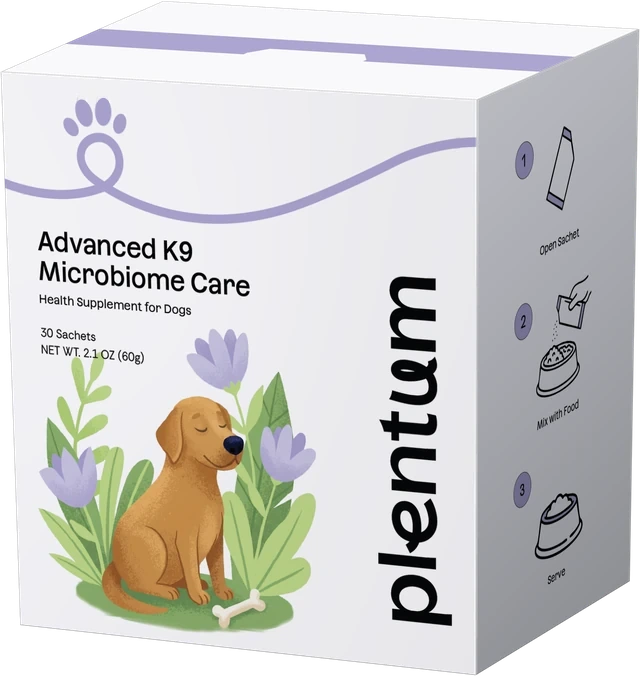
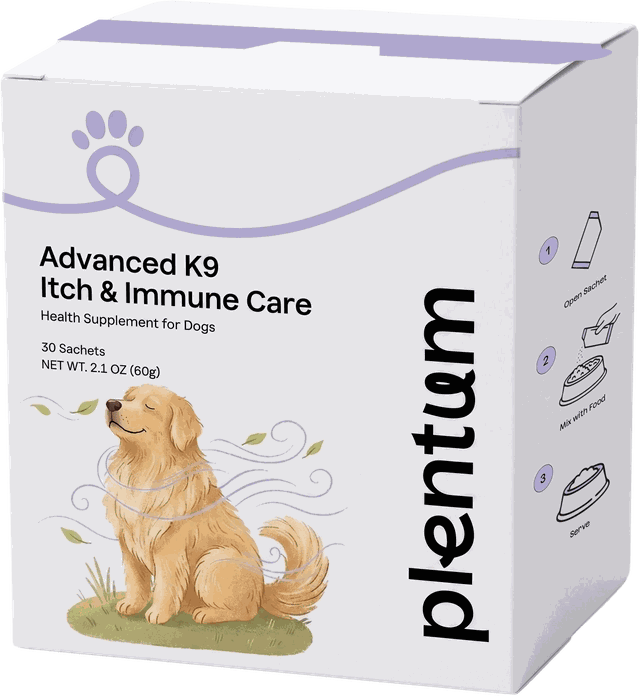
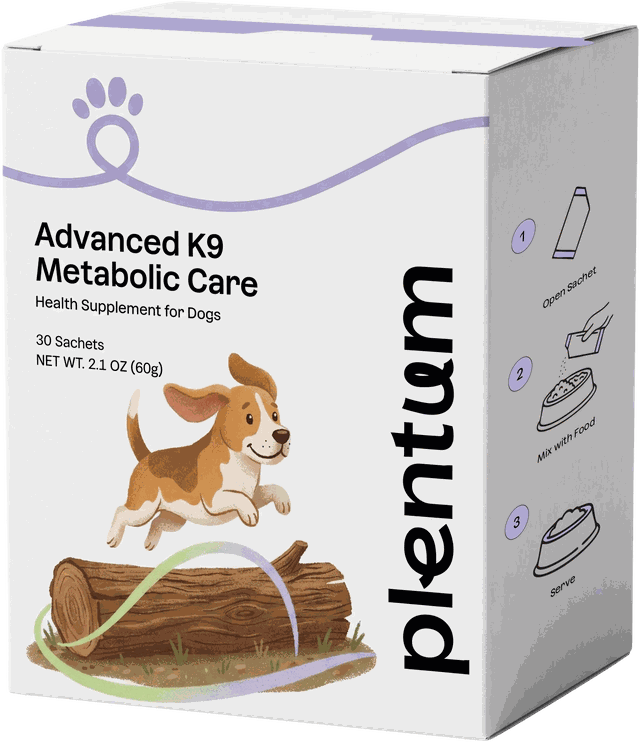
Plentum Advanced K9 Microbiome Care is a daily foundation that supports gut and oral health.
It is a postbiotic and prebiotic supplement that is intended for dogs from 12 weeks of age.
Follow the weight-based directions on the label.
It works alongside brushing and does not replace it.
For tartar, read how to remove tartar from dog teeth.
For the full oral care picture, start with the dog breath and oral care guide, then swollen gums in dogs.
Sources
- AKC: Dog dental care
- VCA: Successful Toothbrushing: Training for Happy Dental Care
- Merck Veterinary Manual: Dental Disorders of Dogs
Frequently asked questions
Can I use baking soda or human toothpaste?
No. Human toothpaste can contain xylitol, which is toxic to dogs. Use a toothpaste made for dogs instead.
How often should I brush my dog's teeth?
Daily brushing is the goal. Build toward daily brushing through comfortable, gradual practice.
Does a supplement replace brushing?
No.
A daily supplement can sit alongside brushing, but it does not clean the teeth the way brushing does.
Photo credit
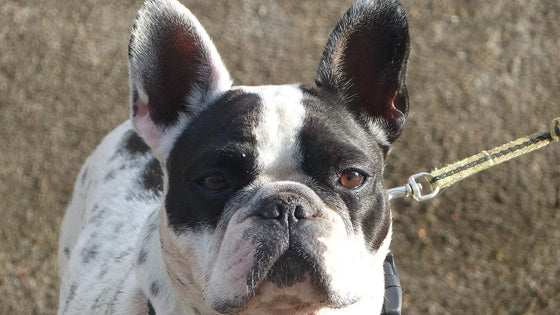
Photo: Akshay Madan iamdesignerr.
CC0. Cropped to 16:9. Illustrative photograph.