








To clean a dog's ears, use a cleaner made for dog ears and wipe the outer ear with gauze.
Never push anything deep into the ear canal.
Clean only when needed and the ear is comfortable, and see a vet first if you notice redness, pain, odor, or discharge.
What supplies do you need?
- A cleaner made for dog ears, one your vet recommends
- Cotton balls or soft gauze squares
- A towel for drips
- Treats for a calm reward
How do you clean your dog's ears step by step?
Work in a quiet room, on a non-slip surface, with a helper who can hold your dog gently if needed.
Use the cleaner according to its label directions.
Keep each step short, and praise your dog after every step.
- Lift the ear flap and fill the ear canal with cleaner, as the label directs
- Gently massage the ear base as the cleaner directs
- Let your dog shake its head, then stand back
- Wipe the outer ear and the flap with gauze
- Stop if your dog pulls away sharply or yelps
The AKC ear-cleaning guide includes photographs.
Read it before your first cleaning.
How often should you clean your dog's ears?
Frequency depends on the dog.
Floppy-eared dogs, dogs that swim, and dogs with a history of ear infections may need checks more often.
Check the ears regularly.
Your dog's ear-care plan determines when cleaning is needed.
Keep a simple note of when you clean, so you can spot patterns over months.
What should you avoid when cleaning?
- Cotton swabs pushed deep into the ear canal
- Home mixtures and human ear products
- Cleaning an ear that is red, painful, or smelly
- Forcing the cleaning when your dog resists
If your dog resists, stop and check with the clinic for pain or technique problems.
Pushing through pain teaches a dog to fear ear care, and it can injure the ear.
When should you not clean your dog's ears?
Do not clean an ear that is red, painful, smelly, or leaking discharge.
These signs can mean an infection, and the eardrum may be damaged.
Cleaner in a damaged ear can cause pain and make the problem worse, so see a vet first.
When should you call the vet?
- Redness, swelling, or a red ear canal
- Pus or dark debris that keeps coming back
- A strong odor from the ear
- Pain, head shaking, or a tilted head
- Hearing changes or loss of balance
Call your vet the same day if your dog suddenly loses balance.
Our dog itch, paws, skin, and ears guide covers the wider picture.
If the ears keep needing attention, read dog scratching ears and shaking head for the common causes.
For a smell that stays after cleaning, see why does my dog smell bad even after a bath.
Sources
Frequently asked questions
How often should you clean a dog's ears?
Check the ears regularly.
Your dog's ear-care plan determines when cleaning is needed.
Dogs that swim or have floppy ears may need more frequent checks.
Can you use cotton swabs in a dog's ears?
Avoid pushing cotton swabs deep into the ear canal.
Use cotton balls or gauze on the visible outer ear instead.
What if my dog hates ear cleaning?
Go slowly and use treats.
If your dog pulls away, stop and have the veterinary team check the ear and show you the method.
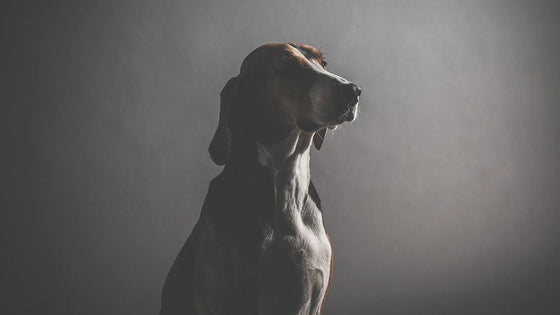
Photo credit
Photo: Greg Rakozy grakozy.
CC0. Cropped to 16:9. Illustrative photograph.