


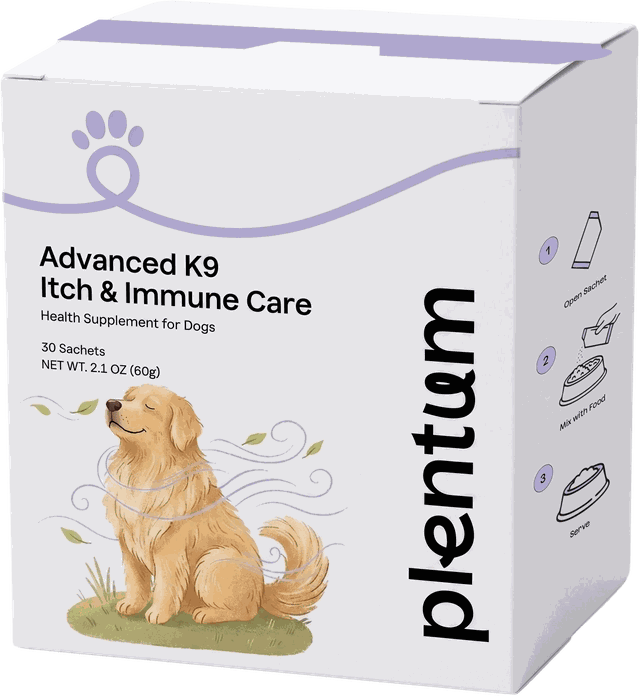

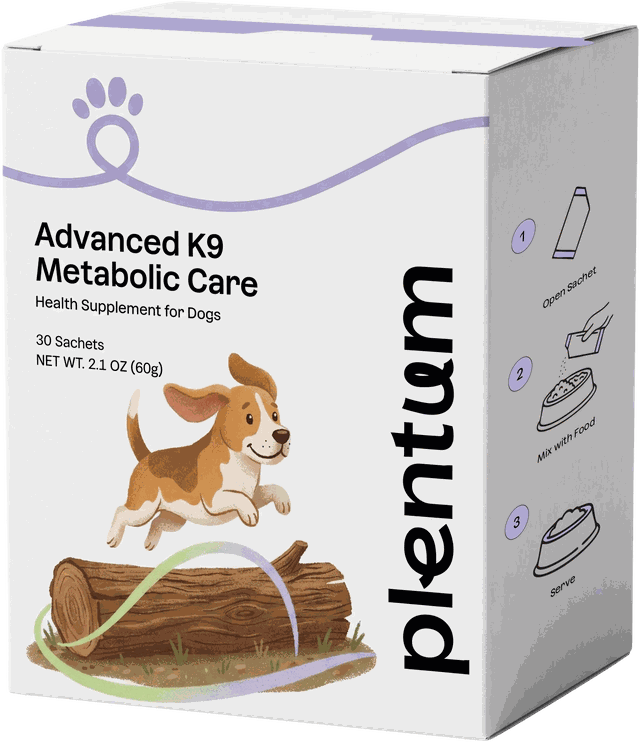


Two immune chews sit side by side, and both say "yeast beta-glucan" on the front. They can still be very different products. Yeast cell wall postbiotic is a standardized ingredient from Saccharomyces cerevisiae that carries two kinds of compounds: beta-glucans and mannanoligosaccharides (MOS).
Beta-glucan is studied for its role in innate immune readiness. MOS gives certain gut bacteria something to stick to other than the gut wall. Yeast beta-glucan products vary a lot, so the back of the bag tells you more than the front. If your dog has a health condition, talk to your vet before you start any supplement.
Three points about yeast cell wall postbiotic:
- Yeast cell wall postbiotic is made from a standardized yeast fraction that contains beta-glucans and MOS.
- MOS works in the gut by giving certain bacteria an alternative binding target.
- Check for both fractions and stated amounts on the label before comparing products.

What's actually in it

It comes from Saccharomyces cerevisiae, the same yeast used in baking and brewing. The yeast is selected and processed so two active fractions end up concentrated in the final product.
- Beta-1,3/1,6-glucans: sugars from the yeast cell wall. Their branching pattern differs from the beta-glucans in oats and barley, and that shape decides which immune cell receptors they fit.
- Mannanoligosaccharides (MOS): short sugar chains from the outer layer of the yeast cell wall. They work in the gut, which grain-based beta-glucans don't.
Immune cells carry receptors that recognize particular shapes on microbes and fungi. Compounds that fit those receptors can change how readily the cells respond, which is why the glucan's structure matters. With both fractions in one ingredient, you get something aimed at the immune system and the digestive tract at the same time.
Why standardization matters
A standardized product holds both beta-glucan and MOS at a controlled level from batch to batch. Most yeast beta-glucan ingredients in pet supplements aren't standardized this way. The ratio can swing with the yeast strain and the processing method, so two products that both say yeast beta-glucan may not deliver the same thing.
That's easy to miss when both labels say yeast beta-glucan or beta-1,3/1,6-glucan. A better tell is whether MOS is listed at all, and whether the label gives an amount for it.
Two fractions, two places they act
- Beta-1,3/1,6-glucanRecognized by Dectin-1 on innate immune cells
- MOSOffers fimbriated gut bacteria a mannose decoy
- StandardizationA stated amount of both fractions in every serving
Its cousin, the probiotic yeast Saccharomyces boulardii, works differently because it is alive when your dog eats it.
How beta-glucan works with your dog's immune system

The Dectin-1 pathway
Receptors on innate immune cells recognize beta-1,3/1,6-glucans. The main one is Dectin-1, and Toll-like receptor 2 (TLR-2) is another. They sit on macrophages, dendritic cells and neutrophils, some of the first responders in your dog's immune system.
When beta-glucan binds Dectin-1, it sets off signaling that puts these cells on standby. Researchers call this immune priming, or trained immunity. The cells get quicker at recognizing microbes, but they aren't switched on the way a real infection switches them on.
The goal is normal readiness. It isn't a dramatic surge, and it isn't meant to make the immune system overreact. It matters most for dogs whose immune function may be lower because of age, stress, illness or recovery from antibiotics.
How MOS works: competitive exclusion
MOS works in the gut and doesn't act on the immune system directly. Some bacteria, including certain strains of E. coli and Salmonella, grab the cells lining the intestine with hair-like structures called type 1 fimbriae. Those fimbriae latch onto a sugar called mannose on the surface of gut cells.
MOS is rich in mannose, so it offers a decoy. Bacteria can latch onto MOS instead of the gut wall. Because MOS isn't absorbed, it carries them along and out before they settle in. It doesn't kill bacteria. It gives them something else to hold on to.
Studies of MOS in companion animals have reported shifts in gut microbes and immune markers, but they're limited. The mechanism is promising but still unproven.
Both at once
- Immune system: beta-glucan primes innate immune cells through Dectin-1 so they recognize microbes more efficiently.
- Gut: MOS gives fimbriated bacteria a decoy before they attach to the intestinal wall.
Where a supplement fits
Yeast cell wall postbiotic is one ingredient owners consider. It sits alongside diet, fresh water, regular vet checkups and any treatment your vet has recommended, and it doesn't replace any of them.
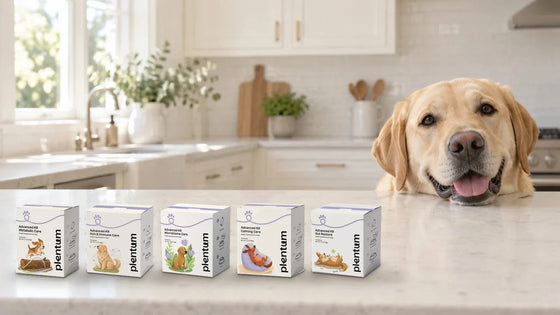
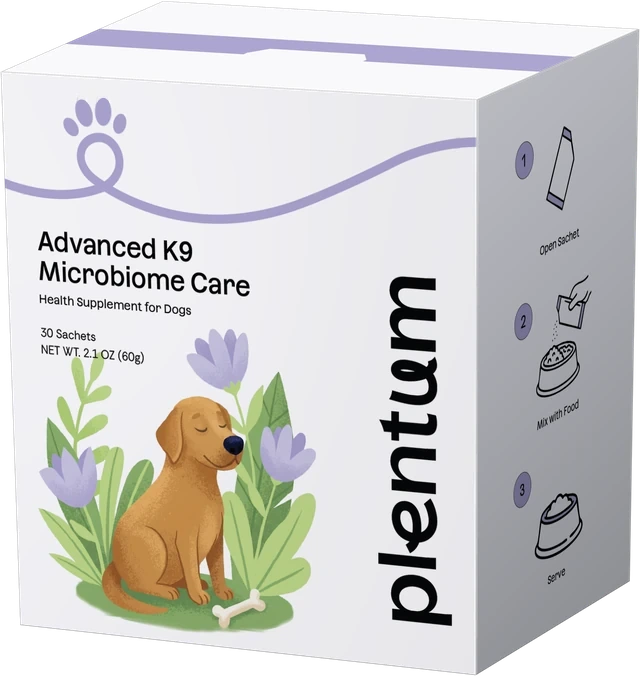
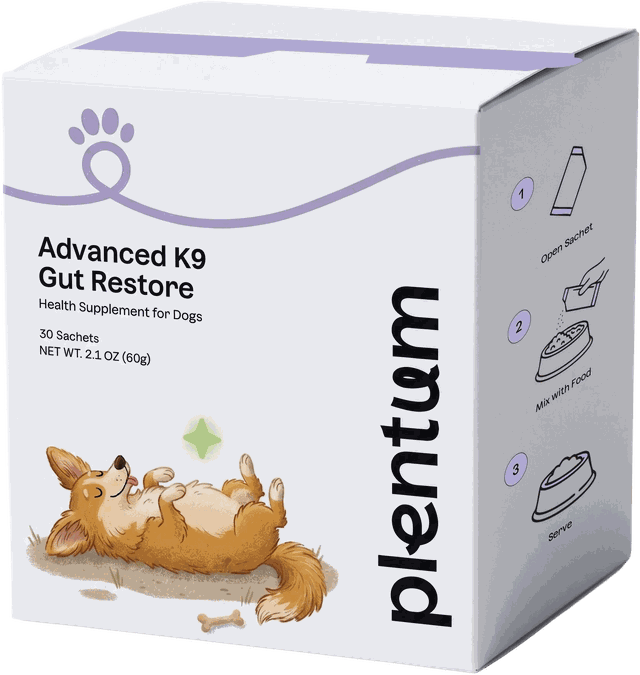
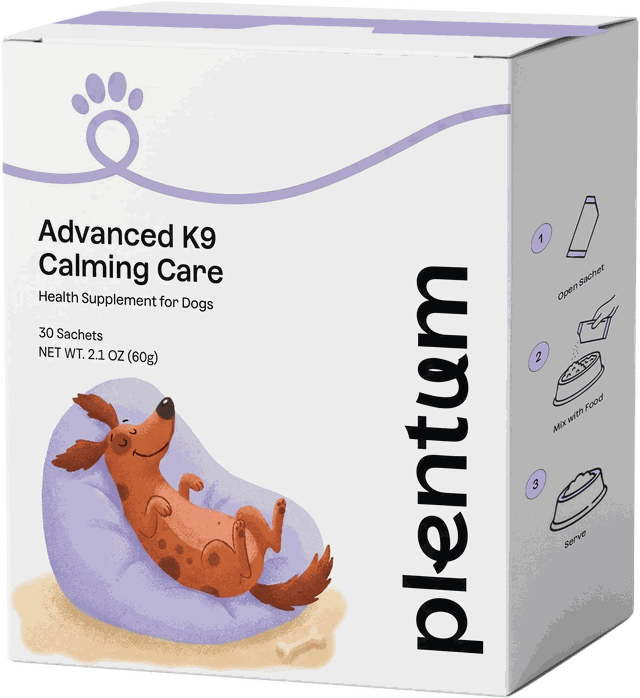
In our supplements, a yeast cell wall postbiotic from Saccharomyces cerevisiae (75 mg per sachet) sits inside Advanced K9 Gut Restore, next to a probiotic blend (10 billion CFU at manufacture) and psyllium, pumpkin and slippery elm, at 1 to 4 sachets a day by weight. You can read why each Gut Restore ingredient made the cut, and our guide to choosing a postbiotic for dogs covers the wider category.
How beta-glucan sources compare
Labels are hard to read side by side, so here's how the common sources line up by ingredient type.
| Feature | Standardized yeast cell wall postbiotic | Generic yeast beta-glucan | Grain beta-glucan (oats, barley) |
|---|---|---|---|
| Glucan structure | Beta-1,3/1,6-glucan from S. cerevisiae | Beta-1,3/1,6-glucan, amount often not stated | Beta-1,3/1,4-glucan, mostly soluble fiber |
| MOS (gut binding) | Present by design | Often not listed | Not present |
| Batch-to-batch amounts | Standardized for both fractions | Can vary with strain and processing | Varies with the grain |
| Main area studied | Innate immune readiness and gut microbes | Innate immune readiness | Fiber, stool and cholesterol in people |
Ingredient sources vary by maker, so check the current label for a stated amount of each fraction.
What to look for on the label
Skip the claims on the front of the bag. Turn it over and look for:
- Beta-1,3/1,6-glucan and MOS listed separately, with amounts. If you only see "beta-glucan," the gut side may be missing.
- Standardized content: the maker should state how much of each fraction is in a serving.
- Clear dosing directions for your dog's size and the format you're buying.
- Storage directions you can actually follow at home, so the product stays in good shape.
How long it takes
Some canine studies describe immune-priming effects from beta-glucan after 7–14 days of daily use. MOS effects in the gut are described as faster, often within the first few days, because the binding happens as food passes through.
For most healthy adult dogs, the rough sequence looks like this. Every dog is different, so treat it as a rough guide:
- Days 1–7: gut-level support from MOS, if the product suits your dog.
- Days 7–14: possible immune-priming effects.
- Weeks 4–8: you may notice changes in stool quality, coat condition and how fast your dog bounces back from minor stress.
Which dogs it makes the most sense for
It isn't a magic ingredient, but it may be worth a look in a few situations:
- Dogs finishing a course of antibiotics. The gut microbiome can take 4–6 weeks to rebound, and MOS may help keep unwanted bacteria in check during that window.
- Senior dogs: innate immune function tends to slow with age. Some research in older dogs has looked at yeast beta-glucan and how responsive immune cells are.
- Dogs who get stressed. Boarding, road trips and changes at home can dampen immune function for a while. Some owners start 7–10 days ahead of a known stressor and ask their vet whether that timing suits their dog.
- Dogs with recurring soft stool: if every snack from the trash turns into a week of upset, MOS may support the gut, though it's only one possible factor.
What sets yeast cell wall postbiotic apart
Many beta-glucan products deliver one fraction, often unstandardized, from grain or yeast, with no amounts listed. Yeast cell wall postbiotic delivers two fractions, standardized batch to batch, from a yeast source selected for biological activity. That's the difference to look for next time two chews look alike. Your dog can't read the back of the bag, so that part's on you.
Beta-glucan from yeast, grain or mushrooms
Each source carries a different structure, so they are not interchangeable on a label.
| Option | How it works | Best fit |
|---|---|---|
| Yeast cell wall postbiotic | Standardized beta-1,3/1,6-glucan plus MOS from S. cerevisiae | Owners who want an immune-cell and a gut-level ingredient together |
| Grain beta-glucan | Mostly soluble fiber with a beta-1,3/1,4 structure | Fiber and stool support more than immune signaling |
| Mushroom beta-glucan | Varies by species and extraction, often with no stated amount | Hard to compare without a stated amount per serving |
Common questions
What is yeast cell wall postbiotic?
It's a standardized ingredient made from Saccharomyces cerevisiae yeast. It supplies beta-glucans and mannanoligosaccharides, two fractions with different jobs. Standardization is a big part of what sets it apart from generic yeast beta-glucan. Check the label for the amount of each.
Why does standardization matter?
It keeps the level of each active fraction steady from batch to batch. Many yeast ingredients vary in ratio, which makes them hard to compare. Look for stated amounts before you compare two products.
How long does beta-glucan take to work in dogs?
Some canine studies describe immune-priming effects after 7–14 days of daily use. Gut effects from MOS may show up sooner. Changes in stool quality or coat can take several weeks, so jot down the date you started.
Is it right for every dog?
No, it's one option for specific situations, such as recovery from antibiotics or a stressful stretch.
Sources
- FDA: Animal Food Labeling and Pet Food Claims
- AAHA Canine Life Stage Guidelines
- Stuyven E, et al. Oral administration of beta-1,3/1,6-glucan to dogs temporally changes total and antigen-specific IgA and IgM. Clin Vaccine Immunol. 2010. PubMed 20032218
- Swanson KS, et al. Supplemental fructooligosaccharides and mannanoligosaccharides influence immune function, ileal and total tract nutrient digestibilities, microbial populations and concentrations of protein catabolites in the large bowel of dogs. J Nutr. 2002. PubMed 11983825
- Beloshapka AN, et al. Effects of inulin or yeast cell-wall extract on nutrient digestibility, fecal fermentative end-product concentrations, and blood metabolite concentrations in adult dogs. Am J Vet Res. 2012. PubMed 22738053
These cover general standards and background. Symptoms, diagnoses, medications and treatment decisions need a vet who has examined your dog.