





Your dog's muzzle has gone gray, the walks are a little shorter, and breakfast doesn't disappear quite as fast. Then you go looking for a senior supplement and find a whole aisle of tubs and chews promising to fix all of it.
The best one is the one that fits your dog's diet, health and vet plan, has a label that tells you exactly what's inside, and comes in a form your dog will actually eat every day. Fancy packaging doesn't factor in.
What changes after 7
Once your dog hits 7 or so, their nutritional needs shift. A lot of things change at once: metabolism slows, joints wear, the immune system may not respond the way it used to, and the mix of gut bacteria often gets less varied.
So plan the whole routine before you shop for a single product. A supplement earns its spot when it fits your dog's diet, their weight (see Senior Dog Weight Management: Keeping Older Dogs Lean and Comfortable), their mobility, any medications and your vet's plan.
What to weigh when you choose a supplement for a senior dog
- Look for a clear label: named strains or ingredients, a stated amount and a format your dog will eat every day.
- A powder mixed into food can be easier for dogs with dental problems than a hard chew.
- A supplement supports a routine. It does not replace a vet check or veterinary care.
Senior nutrition guidance keeps landing on the gut. Older dogs may absorb nutrients less efficiently, and their gut bacteria may narrow. A dull coat or a weaker immune response often gets blamed on age alone, which is why many owners make gut support one piece of a senior plan.

What the big guidance sources say
A few well-known references give you a practical place to start.
| Your question | What the guidance says | Source |
|---|---|---|
| Where does senior care start? | With regular vet visits that look at nutrition, pain and mobility, cognition and body condition, and a plan built for your dog. | AAHA Senior Care Guidelines for Dogs and Cats |
| How do I judge a food or supplement? | Read the label, ask questions about the company's quality control, keep an eye on body condition and get a nutrition assessment from your vet. | WSAVA Global Nutrition Guidelines |
| How should I think about supplements? | As targeted additions that fit your dog's diet, health and your vet's advice. | AKC: Senior dog nutrition and supplement tips |
They all point the same way. Senior care starts with a vet visit, and a supplement can support the routine you build from there. It won't turn back the clock or stand in for a diagnosis.
Probiotic or synbiotic for an older dog?
A probiotic adds live beneficial bacteria. A prebiotic is the fiber that feeds them, and a postbiotic is the useful stuff those bacteria make, like short-chain fatty acids (SCFAs). A synbiotic packs a probiotic and a prebiotic together, so the bacteria show up with their food.

That pairing is the main reason owners of older dogs lean toward a synbiotic. The prebiotic fiber helps support the environment good microbes need, and postbiotic compounds like SCFAs support normal gut comfort without depending on live bacteria to make them.
For a dog under 3 with a healthy gut, a basic probiotic may be plenty. For a senior, a full synbiotic may be a more complete fit for the daily routine. To be straight with you, this article doesn't cite dog trials showing one format beats the other in older dogs, so it's a reasonable option to talk through with your vet.
Reading the label
Look at both the label and the company behind it. See what to check:
- A clear CFU count at the time of manufacture or at expiration, with the strain names listed
- Several Lactobacillus and Bifidobacterium strains, since variety matters
- Quality controls, lot testing, and open manufacturing details
- Made in USA with third-party testing, if that's important to you
- A full ingredient list with each item named
- Any postbiotic or fermented ingredient named outright
A label that checks every box is a good start, and it still doesn't guarantee a fit. Read the full ingredient list, match it to what you're seeing in your dog.
Where a supplement fits
Older dogs tend to have slower digestion and a more sensitive gut, so the format matters as much as the ingredient list. A powder stirred into food can be easier on a dog with bad teeth than a hard chew, and a sachet mixed into a meal tends to deliver more steadily than a scoop or chew that has to survive digestion intact.
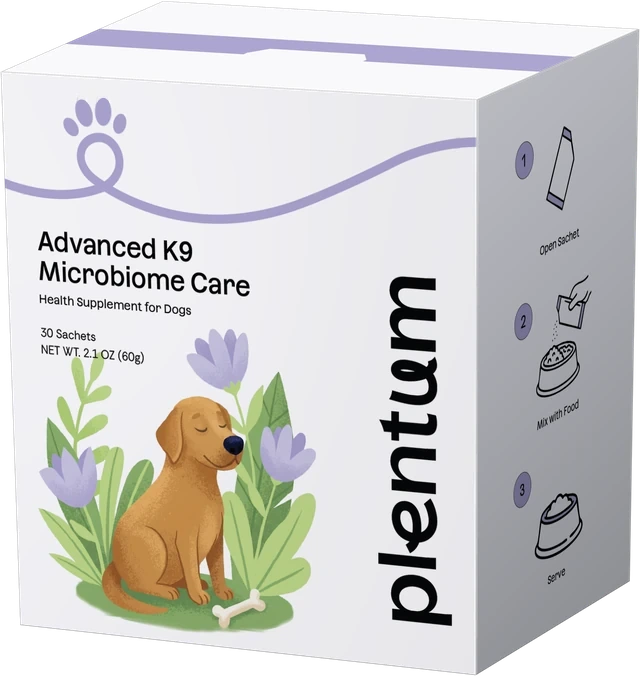
If that sounds like your dog, Plentum Advanced K9 Microbiome Care is a daily postbiotic and prebiotic supplement in a sachet you mix into food. You can look at Plentum Advanced K9 Microbiome Care as support for gut, oral, skin, and coat routines. Ask your vet first if your dog has a health condition or takes medication.
Frequently asked questions
Which daily wellness chews are good for older dogs in 2026?
No one chew is best for every older dog. Look for a clear label with named ingredients and amounts, in a form your dog will reliably eat, and keep in mind that dogs with dental problems often do better with a powder mixed into food.
Which supplements for senior dogs support daily health needs?
Most target the gut or skin and coat. Pick one that matches what you're seeing, give it consistently for a set stretch, and keep dated notes on appetite, stool, comfort, and energy so you and your vet can judge it.
What are the best supplements for senior dogs for overall wellness?
The most useful one fits your dog's diet, weight, mobility, medications and vet plan. Start with a vet visit, change one thing at a time and keep notes so you can tell whether it's helping.
What's the best daily supplement for an older dog?
The best one is a supplement you can give every day, with a clear label, that your vet agrees fits your dog. Check the strains or ingredients and compare the amount with what your vet recommends before you start.
Sources
Five supplements, each aimed at a different need
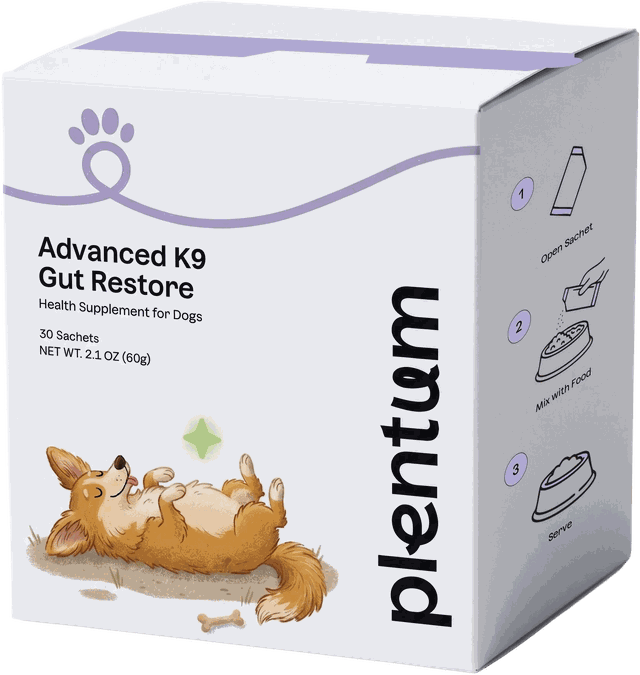
- Gut Restore It supports normal bowel function and healthy stool consistency, and helps maintain a balanced gut. From $1.50/day
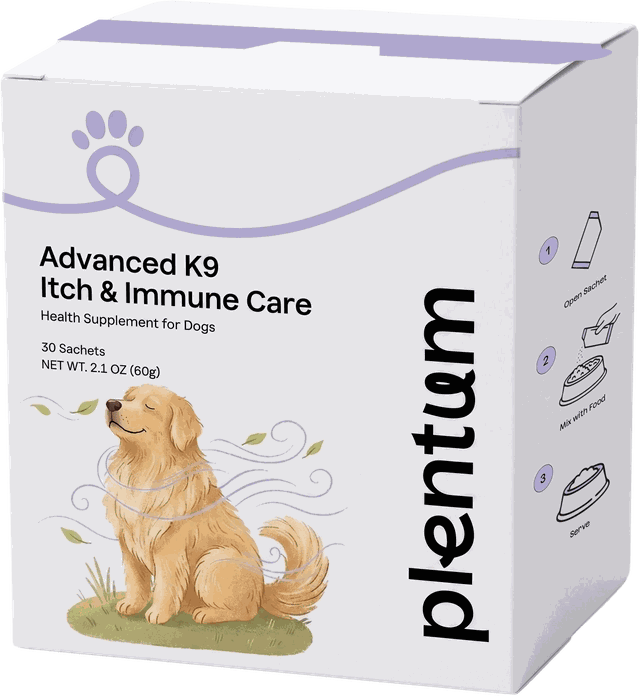
- Itch & Immune Care It supports a normal immune response to environmental and seasonal triggers, and helps maintain a healthy coat. From $1.50/day
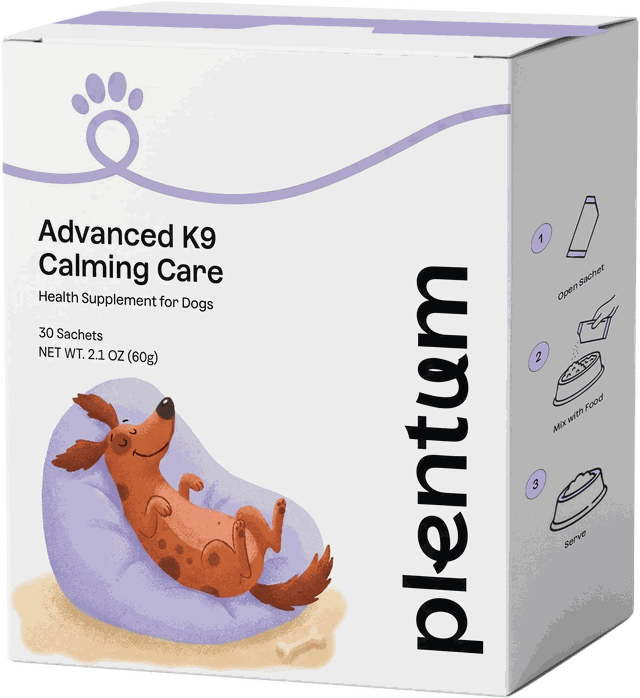
- Calming Care It supports a calm, relaxed demeanor during occasional situational stress such as storms, travel, or vet visits. From $1.50/day
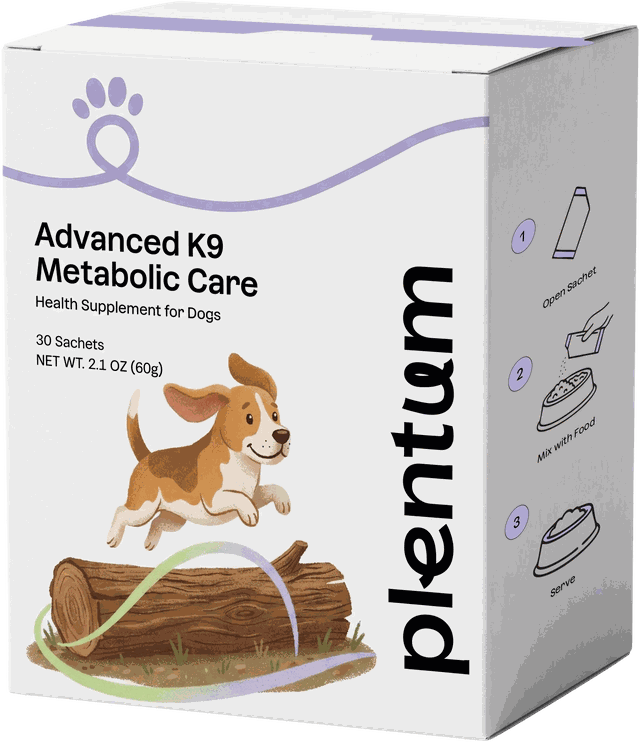
- Metabolic Care It supports healthy weight management alongside measured portions and daily exercise. From $1.50/day
- Microbiome CareFits this guide It’s a daily powder with a postbiotic and prebiotic foundation, plus colostrum and omega-3, to support gut, oral, skin, and coat health. From $1.17/day