





You’re comparing digestive supplements.
Start with the goal, ingredient amounts, labeled serving, and cost of servings your dog will use.
- Define the outcome first, then compare dog digestive supplements against it.
- Confirm ingredient disclosure before you calculate the cost per serving.
- A larger tub or a longer ingredient list is not automatically better value.
How do you compare digestive supplement labels?
| Compare | What to check |
|---|---|
| Ingredients | Check the named ingredients and amounts per serving |
| Serving | Use the labeled amount for your dog |
| Cost | Divide price by the servings you will use |
| Goal | Track the specific change you want to assess |
A price per serving only means something if you know what's in the serving.
So check first that every ingredient is named and every amount is listed.
If the label's fuzzy, the math will look precise and tell you almost nothing.
While you're at it, get everyone who feeds your dog on the same page.
It saves you from the partner who's quietly adding a second product, or the kid slipping extra treats.
Why a bigger tub isn't better value
- Label
- Find the serving size and servings per package.
- Real use
- Account for acceptance, storage, and waste.
- Daily cost
- Divide the price by the servings you will use.
What to track when comparing products
The real cost is what you pay for the servings your dog actually gets.
Account for waste, storage, and whether your dog finishes the serving.
Divide the price by the servings you expect to use. Consider acceptance, waste, and storage requirements.
Keep the result you bought it for in view the whole time.
The bigger tub usually wins on price per serving, at least on paper.
A smaller tub may offer better value if you can finish it before it expires.
What's behind digestive signs
- Diet
- Food changes and unsuitable food can affect digestion.
- Disease
- Infection, parasites, inflammation, or other illness may be involved.
- Assessment
- Persistent or severe signs need a diagnosis.
How urgent is it?
A single mild blip that clears up on its own is fair territory for a careful supplement trial.
Sudden, severe, recurring signs or difficulty eating and drinking need veterinary care before a supplement trial.
Where supplements fit
A digestive supplement can support a routine. New, severe, or recurring signs still need veterinary assessment.
Compare clear labels, labeled servings, usable servings per package, and the goal you want to track.
When to stop experimenting
If symptoms are muddy, stop adding things.
Every new product is another variable, and it gets harder to tell what changed.
Pause, pack up the labels and take them to your vet with the notes you've been keeping.
If you can't tell what's in a product, or the label doesn't give you enough to compare it safely, leave it out of the decision.
Your vet can help you pick what fits your dog.
Frequently asked questions
What should I check before buying a digestive supplement for my dog?
Check named ingredients, serving amounts, and evidence for your goal. Ask your vet about health or medications.
How do I compare the cost of dog digestive supplements?
Compare cost per labeled serving for your dog's dose. Allow for waste and products expiring before use.
What can cause digestive signs in dogs?
Diet, parasites, infection, drugs, and illness can cause gut signs. Persistent signs need a vet check.
When should I stop trying products and call my vet?
Call your vet if signs are severe, recurring, or worsening. Stop adding products while you seek advice.
Sources
Five supplements, each aimed at a different need
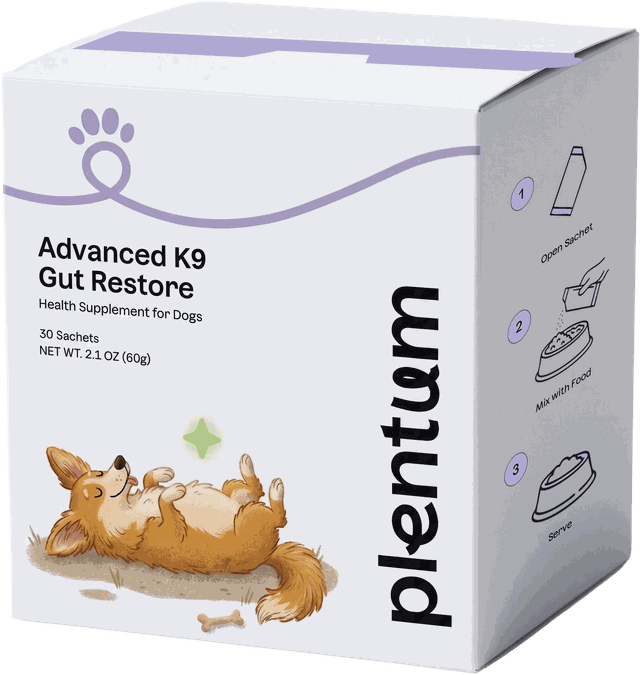
- Gut RestoreFits this guide It supports normal bowel function and healthy stool consistency, and helps maintain a balanced gut. From $1.50/day
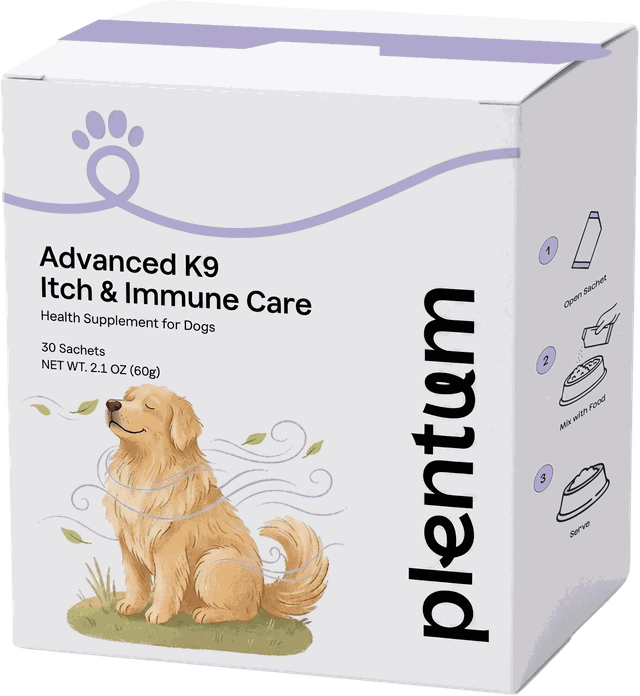
- Itch & Immune Care It supports a normal immune response to environmental and seasonal triggers, and helps maintain a healthy coat. From $1.50/day
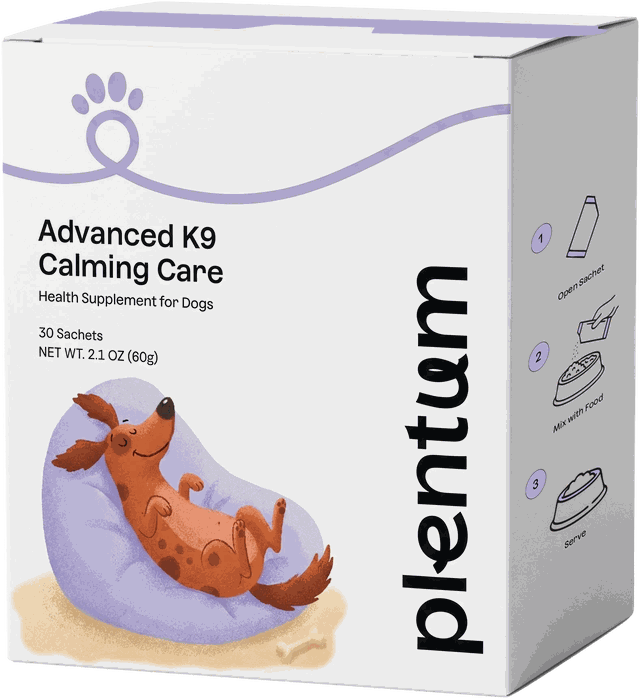
- Calming Care It supports a calm, relaxed demeanor during occasional situational stress such as storms, travel, or vet visits. From $1.50/day
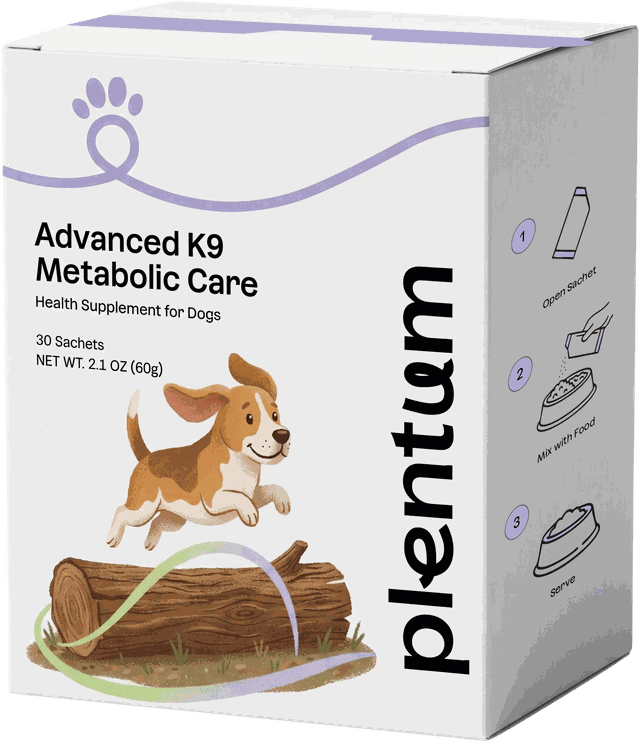
- Metabolic Care It supports healthy weight management alongside measured portions and daily exercise. From $1.50/day
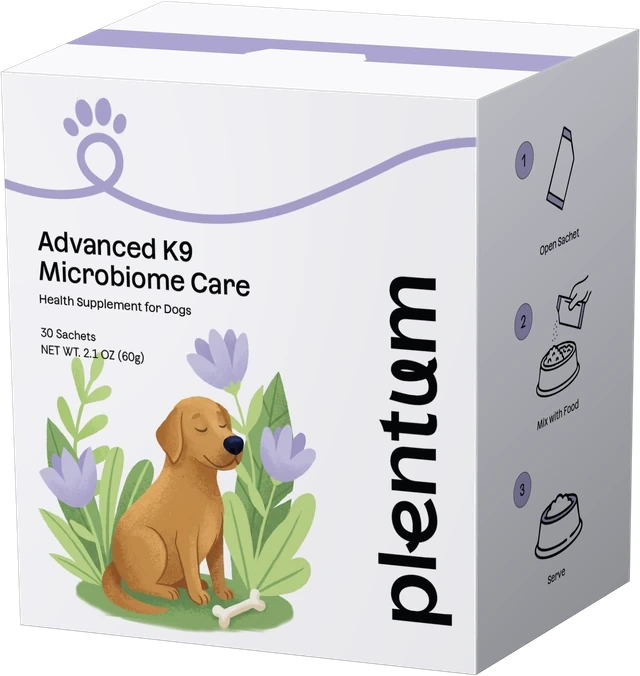
- Microbiome Care It’s a daily powder with a postbiotic and prebiotic foundation, plus colostrum and omega-3, to support gut, oral, skin, and coat health. From $1.17/day