





Your dog walks away from dinner. A small topper can add interest, but complete food remains the nutritional foundation.
Three things to know about toppers
- A food topper adds flavor, moisture, texture or nutrients on top of a complete-and-balanced main diet.
- Toppers add calories, so count them in your dog's daily intake and introduce them slowly.
- Gut health benefits depend on daily use, not occasional sprinkling.
What counts as a dog food topper?
A topper is anything you add on top of your dog's regular food for extra nutrition, extra appeal or both.
It might be a powder, freeze-dried protein, bone broth, fresh vegetables, or a supplement blend.
Each does a different job, so decide what you want from it first.

Why owners add one
Your reason decides which topper makes sense.
- If your dog is a picky eater, something tasty on top can get a holdout to finish the bowl.
- If you feed homemade, you may look to toppers for omega-3s, probiotics and micronutrients. The supplements guide for homemade dog food shows how to fill those gaps safely.
- Probiotic and prebiotic toppers are made to support the gut microbiome. The complete dog gut health guide covers the basics.
- A senior with a smaller appetite may do well with a nutrient-dense topper, once your vet has looked at the diet.
- If your dog is bored of the same bowl, rotating toppers adds some variety.

Five kinds of topper
1. Powder supplements
Powders can combine several supplement ingredients. Check the amounts and directions, then mix as the label advises.
2. Bone broth
Bone broth is a liquid topper that many owners pick for flavor and hydration.
It brings collagen, glycine and minerals, but few probiotics.
3. Freeze-dried raw
Single-ingredient toppers like chicken, beef liver or salmon add flavor and some protein. Think of them as a flavor layer.
Raw pet food can carry bacteria such as Salmonella and Listeria.
4. Fresh vegetables
Small amounts of plain sweet potato or pumpkin add fiber. Blueberries can add variety.
5. Fermented goat's milk
Fermented goat's milk has natural probiotics and is often described as easier to digest than cow's milk.
Dogs tend to like it, but the probiotic strength varies from batch to batch.
Skip raw milk, which can carry harmful bacteria.
| Topper type | Form | Key nutrients and benefits | Limitations |
|---|---|---|---|
| Powder supplements | Powder that mixes into wet or dry food | Probiotics, prebiotics, postbiotics, omega-3s, vitamins, and minerals in one serving | Check the label and count any calories in daily intake |
| Bone broth | Liquid | Rich in collagen, glycine and minerals; often chosen for hydration | Limited probiotic benefit |
| Freeze-dried raw | Single-ingredient protein (chicken, beef liver, salmon) | Adds flavor and some protein | Minimal supplemental nutrition; raw food carries a bacteria risk |
| Fresh vegetables | Steamed sweet potato and pumpkin; fresh blueberries | Adds fiber and antioxidants | Not a full nutrient source on its own |
| Fermented goat's milk | Liquid | Fermented milk; suitability depends on your dog and the product | Inconsistent in probiotic potency |
Contains natural probiotics; often described as easier to digest than cow's milk; dogs tend to like it

What to look for on the label
- A product can cover a few areas well. If it claims to fix everything, keep walking.
- Clear ingredient names with stated doses are a better sign than broad marketing terms.
- Read the ingredient list, and check the serving size and the amount of each active.
- Pick one you'll actually use daily. A topper that gets given beats a premium one that gets forgotten.

Where supplements fit
Powder toppers with probiotic or postbiotic ingredients may suit you if you want daily gut support alongside a complete diet.
Check the label for named ingredients, the serving size and the calorie count.
A topper sits on top of the diet. It never replaces it.
For more on powders, read Powder vs Chew Dog Supplements.
Where owners go wrong
- Over-topping: a topper adds to a balanced base diet. It can't stand in for one.
- Calorie creep: a scoop here and a spoonful there add up fast over a week, so count toppers in daily intake.
- Skipping days: most gut-support products are made for daily use, so a sprinkle now and then isn't what they're built for.
- Changing too much at once: add one new topper slowly, so you can tell what's working and what's causing a problem.
Pick one goal and one topper, and start with a small scoop.
Give it a couple of weeks before you decide it's working, and watch the waistline while you wait.
Frequently asked questions
How do you choose nutritional toppers for dog food?
Start with one goal, like picky eating, gut support or more variety.
Pick a topper that's simple, portioned and lists its ingredients clearly.
Count the calories, go slowly, and check with your vet if your dog has a health condition.
Which toppers help encourage my dog to eat more?
Freeze-dried protein, bone broth and steamed vegetables are common picks for picky eaters.
Use small amounts, since they add calories and can shift the balance of the diet.
Does my dog need a topper?
Only when it fits a clear goal and your dog's diet.
For most healthy dogs, a complete-and-balanced main food with a small, well-chosen topper works fine.
Your vet can tell you whether an extra supplement is needed.
What should I track after adding a topper?
Note the start date, then watch appetite, stool, vomiting, energy and any skin or coat changes.
A dated record lets you and your vet see trends instead of reacting to one odd day.
Sources
Five supplements, each aimed at a different need
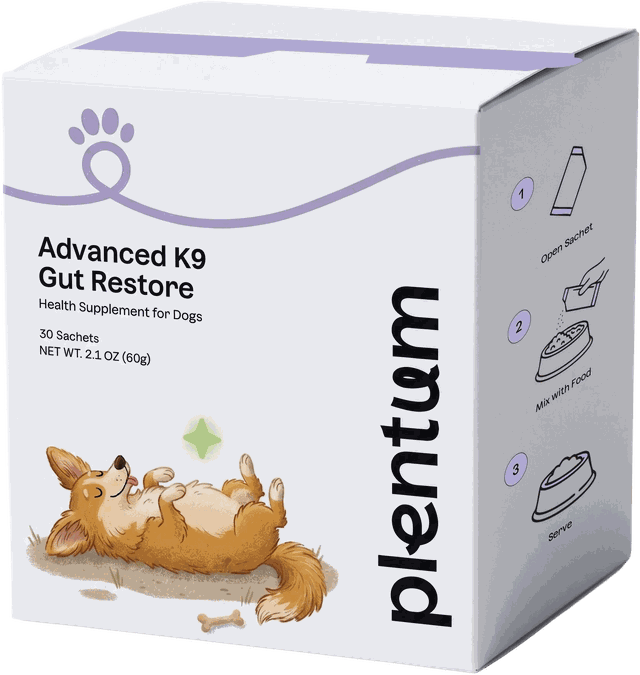
- Gut Restore It supports normal bowel function and healthy stool consistency, and helps maintain a balanced gut. From $1.50/day
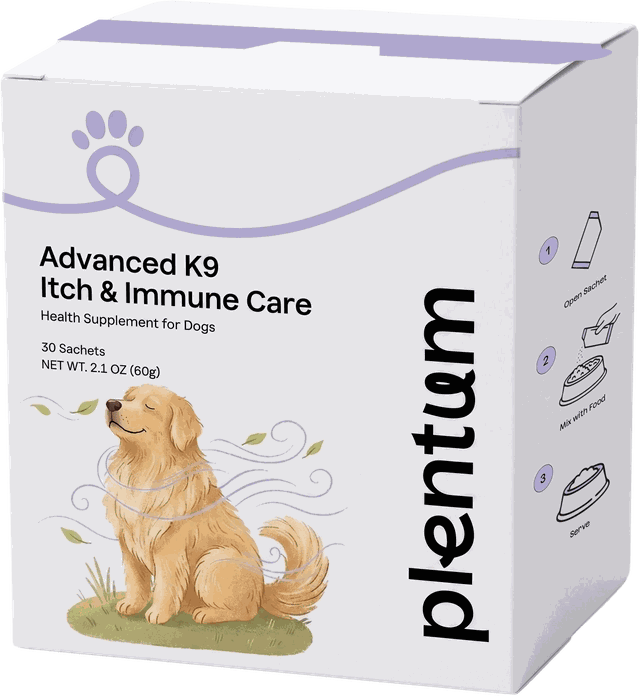
- Itch & Immune Care It supports a normal immune response to environmental and seasonal triggers, and helps maintain a healthy coat. From $1.50/day
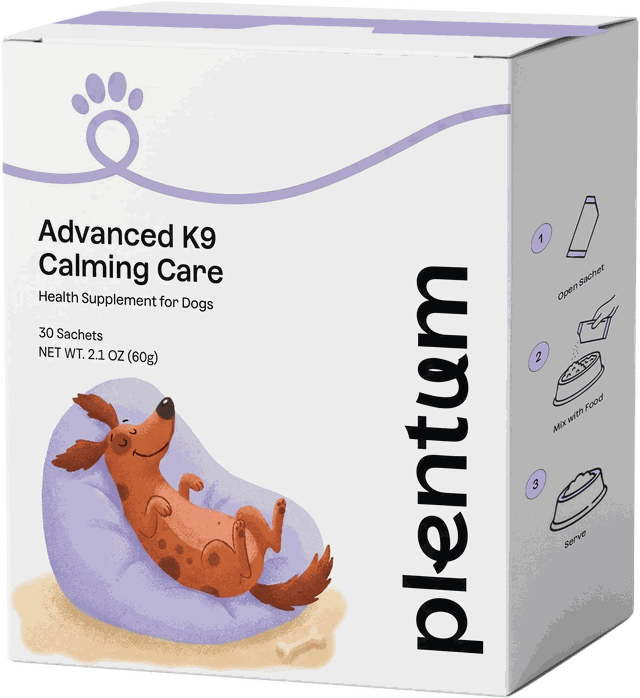
- Calming Care It supports a calm, relaxed demeanor during occasional situational stress such as storms, travel, or vet visits. From $1.50/day
- Metabolic Care It supports healthy weight management alongside measured portions and daily exercise. From $1.50/day
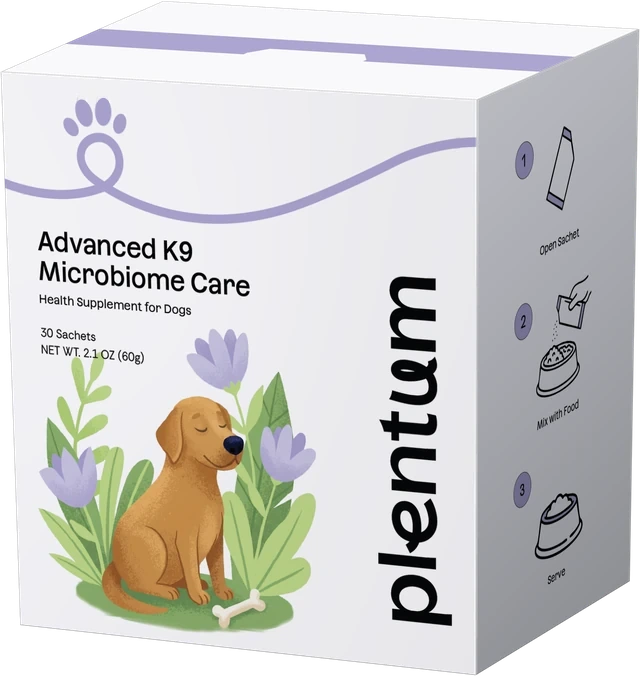
- Microbiome CareFits this guide It’s a daily powder with a postbiotic and prebiotic foundation, plus colostrum and omega-3, to support gut, oral, skin, and coat health. From $1.17/day