




Dog Anesthesia Preparation and Recovery: Owner Checklist

|August 17, 2026
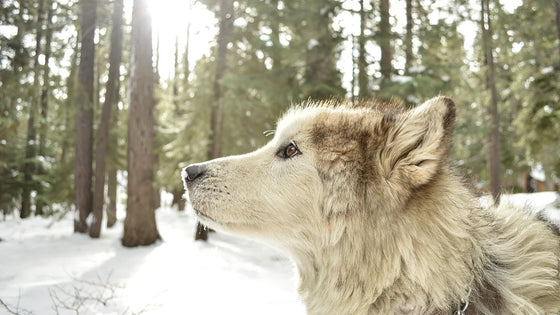
Editorial image for 5 Things Vets Wish You Knew About General Anesthesia for Dogs


Quick Answer

For questions and observations before and after general anesthesia, begin with this decision: follow the clinic's individualized fasting, medication, arrival, and discharge instructions. Avoid copying fasting or medication advice from another procedure. Track preoperative instructions, medication decisions, incision, pain, breathing, intake, output, and alertness. Contact a veterinarian promptly for breathing difficulty, collapse, uncontrolled pain, bleeding, repeated vomiting, or inability to wake normally.

Questions and observations before and after general anesthesia

Good care decisions are easier when the household separates a fact, an interpretation, and an action. Useful dog-health decisions begin with observable signs, a timeline, the full diet and medication list, and the effect on normal function. General education can improve the handoff to a veterinarian but cannot replace examination or diagnosis. In this guide, the narrow focus is questions and observations before and after general anesthesia; that focus determines which observations belong in the plan and which choices should wait.

First decision: Follow the clinic's individualized fasting, medication, arrival, and discharge instructions

Use it to decide which information matters and which details are merely noise. A clear first decision also makes a clinical handoff shorter and more accurate. The resulting note should state: “The current decision is to follow the clinic's individualized fasting, medication, arrival, and discharge instructions.” A caregiver should be able to explain why that decision matters without naming a brand or assuming a diagnosis.

Use function as the outcome

The practical question is whether the dog can eat, rest, move, eliminate, and participate comfortably—not whether a marketing phrase sounds reassuring. Apply that principle by recording the food, medication, supplements, recent events, and normal routine that surround questions and observations before and after general anesthesia. The record should distinguish a stable baseline, a new change, and the action taken in response.

Avoid this failure mode: Copying fasting or medication advice from another procedure

Caregivers can avoid this by asking which fact supports the action and which fact would make them stop. If neither can be named, the action is not yet ready. For this subject, the correction is to follow the clinic's individualized fasting, medication, arrival, and discharge instructions. That correction keeps the comparison tied to a useful outcome instead of a marketing category or an anecdote.

Set a review point

Decide in advance what will be checked and what would end the trial early. For questions and observations before and after general anesthesia, use this compact worksheet:

  • Question: Is it possible to follow the clinic's individualized fasting, medication, arrival, and discharge instructions?
  • Known risk: Copying fasting or medication advice from another procedure.
  • Evidence to collect: Preoperative instructions, medication decisions, incision, pain, breathing, intake, output, and alertness.
  • Handoff threshold: Breathing difficulty, collapse, uncontrolled pain, bleeding, repeated vomiting, or inability to wake normally.

Measure: Preoperative instructions, medication decisions, incision, pain, breathing, intake, output, and alertness

Share the record before the appointment when possible. A timeline lets the veterinary team spend less time reconstructing events and more time testing the right possibilities. This combination was chosen because it relates directly to questions and observations before and after general anesthesia. Record the same measures even when the day seems normal; normal observations make later changes easier to interpret.

Escalation trigger: Breathing difficulty, collapse, uncontrolled pain, bleeding, repeated vomiting, or inability to wake normally

Treat this as a handoff trigger, not as evidence that one product failed. The dog may need examination, diagnostic testing, pain control, diet therapy, or another targeted plan. Seek emergency care for breathing difficulty, collapse, uncontrolled bleeding, repeated unproductive retching, a rapidly distending abdomen, severe pain, inability to urinate, or another rapidly worsening sign. Do not give human medication unless a veterinarian or animal poison professional directs it.

Related reading

Sources and further reading

Frequently Asked Questions

What is the main takeaway from this guide to dog anesthesia preparation and recovery owner checklist?

For questions and observations before and after general anesthesia, begin with this decision: follow the clinic's individualized fasting, medication, arrival, and discharge instructions. Avoid copying fasting or medication advice from another procedure. Track preoperative instructions, medication decisions, incision, pain, breathing, intake, output, and alertness. Contact a veterinarian promptly for breathing difficulty, collapse, uncontrolled pain, bleeding, repeated vomiting, or inability to wake normally.

What should dog owners know about questions and observations before and after general anesthesia?

Good care decisions are easier when the household separates a fact, an interpretation, and an action. Useful dog-health decisions begin with observable signs, a timeline, the full diet and medication list, and the effect on normal function. General education can improve the handoff to a veterinarian but cannot replace examination or diagnosis. In this guide, the narrow focus is questions and observations before and after general anesthesia; that focus determines which observations belong in the plan and which choices should wait.

What should owners compare before making a change related to dog anesthesia preparation and recovery owner checklist?

For Dog Anesthesia Preparation and Recovery Owner Checklist, compare the dog's baseline, the exact goal, product or diet details, relevant health conditions, medications, and the evidence supporting the proposed change. Change one variable at a time so benefits or adverse effects can be interpreted.

Which changes should owners track while following guidance on dog anesthesia preparation and recovery owner checklist?

For Dog Anesthesia Preparation and Recovery Owner Checklist, track the dog's baseline, the one variable changed, appetite, stool, vomiting, comfort, energy, skin or coat signs when relevant, and any adverse effect. A dated record helps owners and veterinarians judge trends instead of isolated days.

Educational notice This article provides general educational information and is not a substitute for veterinary diagnosis or treatment. Ask your veterinarian about symptoms, medications, diet changes, or amounts appropriate for your dog. Seek urgent veterinary care for severe or rapidly worsening symptoms.

Leave a comment

Please note, comments need to be approved before they are published.

Read Plentum in Google more often

If Plentum is one of the dog wellness sources you trust, you can add us as a Google Preferred Source. Google may then highlight Plentum in your own Search, AI Overviews, and AI Mode results when our content is relevant.

Add Plentum as a preferred source

More on Guidance

  • Editorial image for Senior Dogs Guide: 7 Vet-Reviewed Health Tips for Aging Dogs
    August 17, 2026 4 min read
    Guidance

    Questions to Ask at a Senior Dog Checkup

Plentum dog wellness image Plentum dog wellness image

One Sachet,

Endless Health Benefits

shop now