





You hand out a treat for a sit, then another for a recall.
Another follows because those eyes are hard to refuse.
By Friday, your dog has eaten a lot more than you'd guess, and the waistline shows it.
The good news: your dog doesn't care whether a treat is fancy or calorie-dense.
Dogs care about smell, crunch and novelty, and a few low-calorie swaps cover all three.
Apple slices with no seeds are an easy place to start.
Take out the core, stem and seeds, then offer a few thin slices as a reward.
Carrot and cucumber handle bigger training sessions.
Below you'll find the swaps, simple portion rules and a sample daily treat budget.
If your dog has a weight goal, check it with your vet before you change the treat routine.
Three tips for weight-friendly treats:
- Treats count toward daily calories, so a treat budget keeps training rewarding without adding weight.
- Low-calorie vegetables such as baby carrot, cucumber and small apple pieces work well for most dogs.
- Weigh treats and cut larger ones into smaller pieces instead of counting by eye.
Where do extra treat calories come from?
Feeding guides cover meals and leave out the extras.
Say your dog's daily target is 800 calories and meals cover 750.
Treats get the remaining 50, about 6 percent of the day.
Many vets use the 10 percent rule as a starting point: treats shouldn't go over 10 percent of daily calories.
Plenty of dogs get far more.
Two daily training sessions with standard store-bought treats can easily add 200 to 400 calories for a medium dog.
Keep that up for a few months and the scale will show it.
Each treat feels small: a few pieces while making dinner, one at the door, or a crunchy one at the park.
Together they're often most of the day's extras.
Keeping a tally for a few days is the fastest way to see the real total.

Which fruits and vegetables can replace dog treats?
Several common vegetables and fruits are safe for dogs and low in calories.
Most dogs accept them during training once they're used to them.
Start each one with just a few pieces to see how your dog's stomach handles it.
Baby carrots
At roughly 4 calories per baby carrot, these are one of the most practical training swaps.
They're easy to portion, not messy, and lots of dogs love the crunch.
Raw carrots also bring beta-carotene and fiber. Go slowly if your dog has a sensitive stomach.
Cucumber slices
Cucumbers are about 95 percent water, so at roughly 1 to 2 calories per slice they're among the lowest-calorie options.
They're hydrating, easy on digestion and handy on hot days. Peel them for dogs with especially sensitive stomachs.
Broccoli florets (small amounts)
Broccoli is low in calories and adds vitamin C and fiber.
Keep portions small, because a lot of it can upset the stomach.
Use tiny florets, smaller than your thumbnail, as an occasional reward, not an everyday training treat.
Apple slices with no seeds
Apples offer a natural sweetness many dogs love, at around 5 to 8 calories per thin slice.
They can replace richer treats.
Remove the core, stem, and every seed.
Apple seeds contain compounds harmful to dogs.
Offer a few thin slices at a time, and toss any leftover apple instead of adding it to the bowl.
Sweet potato (cooked, plain)
Cooked sweet potato runs a bit higher, at roughly 25 to 30 calories per ounce.
Dogs love it, which makes it a great jackpot for tough training moments.
Serve it plain, with no seasoning, butter or anything else added.
Watermelon (seedless, no rind)
Seedless watermelon is a summer hit. It's hydrating, naturally sweet, and only about 5 calories per small cube.
Cut off all the rind, which can upset the stomach.
What to keep away from your dog
Not everything in the produce drawer is dog-safe.
Onions, garlic, leeks and chives are toxic to dogs, so never use them as treats or add them to food.
Grapes and raisins are also extremely dangerous.
If you're not sure about a food, look it up before you offer it.
Treats side by side
See how typical treats compare with the swaps above.
Calories are approximate and depend on the brand and the size of the piece.
| Treat | Approx. calories | Good for training? | Notes |
|---|---|---|---|
| Standard training treat | 30–50 cal | Yes | Adds up fast |
| Store-bought soft chew | 20–40 cal | Yes (high value) | Often high in fat and sugar |
| Baby carrot | ~4 cal | Yes (medium value) | Easy to portion, low mess |
| Cucumber slice | ~1–2 cal | Yes (low–medium value) | Best in hot weather |
| Apple slice (no seeds) | ~5–8 cal | Yes (medium value) | Remove core and seeds |
| Broccoli floret (small) | ~2–3 cal | Now and then | Keep it small |
| Cooked sweet potato (1 tsp) | ~8–10 cal | Yes (high value) | Save for the jackpot |
| Watermelon cube (seedless) | ~5 cal | Yes (seasonal) | No rind, no seeds |
Use the table as a starting point, and check the label on any packaged treat.
Calories per piece vary a lot between brands.
Portion habits that keep the total in check
Even with low-calorie swaps, portions matter. These habits keep the daily treat total where you want it.
Break treats into halves or quarters
A treat that looks small can still eat up a big share of your dog's daily budget.
Breaking it into halves or quarters keeps the reward and cuts the calories.
Small pieces also suit quick, repeated rewards in training, where pace matters more than size.
Track treats for one week
It's easy to lose count across training, walks and couch time.
Keep a rough tally for one full week to find your baseline, then adjust.
A kitchen scale helps: measure treats by weight instead of by count or handful, since a handful varies a lot.
Take treat calories out of the meal
If a training class or long playdate means more treats than usual, trim dinner a little.
That's the 10 percent rule in practice: the daily calorie budget stays fixed, and treats and meals share it.
Rotate treat types
Rotate a few low-calorie options to keep training interesting.
That prevents one high-calorie favorite from becoming the default.
Keep a small set of go-tos, like carrot, cucumber and apple, and bring in something new only when those stop working.
Getting more from fewer treats in training
How you hand out treats matters as much as which ones you use.
Don't reward every rep
Once your dog knows a behavior, you don't need to treat every success.
Switch to rewarding roughly every 2 to 4 reps, at moments your dog can't predict.
That keeps the behavior strong and can cut treat volume by about half.
Unpredictable rewards tend to hold a dog's attention better than fixed ones.
Let praise and play do some of the work
From day one, pair each treat with a marker word like "yes" or "good."
Over time, the word becomes rewarding on its own.
Once that clicks, praise alone can cover the easy stuff, and treats can go to new or difficult tasks.
Reward within a second or two
Get the treat to your dog within one to two seconds of the behavior.
Late rewards lose their value fast and can leave your dog unsure what earned them.
Good timing also means a smaller treat does the job.
Save the jackpot for hard jobs
Save irresistible treats, such as cooked chicken, sweet potato, or freeze-dried meat, for the hardest asks.
Examples include recall with distractions, walking past dogs on a loose leash, or holding a stay.
Used that way, your best treats don't need to come out all day.
A sample daily treat budget
This example is for a 30-pound adult dog that needs about 900 calories a day.
Adjust it for your dog's size and activity, and confirm the calorie target with your vet.
- Daily calorie target: 900 calories
- 10 percent treat budget: 90 calories
- Morning training session (15 reps): 10 baby carrots (~40 cal) plus 5 pea-sized soft treat pieces (~25 cal), for 65 calories
- Afternoon walk rewards (5 reps): 5 cucumber slices (~8 cal), for 8 calories
- Evening recall practice (10 reps): 3 small sweet potato cubes (~12 cal), for 12 calories
- Total treat calories: about 85 calories, within the 90-calorie budget
That's 30 rewards across three sessions for very few calories.
Mix cucumber or carrot with richer treats such as sweet potato to match the reward to the moment.
If training calls for more treats, keep the same calorie budget.
Take extra treat calories out of dinner rather than adding them on top.
Treats that can wreck a weight plan
Some treats sound wholesome but pack enough calories to stall a healthy-weight plan. Watch for these.
High-fat dental chews
Many dental chews help with oral health, but some are high in fat.
One large dental chew can run 150 to 200 calories, a big share of a day's calories.
Peanut butter, all day long
Plain, xylitol-free peanut butter is safe for dogs but very calorie-dense, at roughly 90 to 100 calories per tablespoon.
A little works well as a high-value reward or in a food puzzle.
A dog who gets peanut butter all day can burn through the whole treat budget on that alone.
More here: Can Dogs Eat Peanut Butter?
Table scraps
Scraps add up fast and often bring extra fat, salt or seasoning.
They also make it hard to know how much your dog actually ate.
A planned treat from the daily budget beats unplanned leftovers.
Scraps are the hardest habit to break when the whole family shares.
Hold a short family meeting and agree on one rule: nobody hands food from the table or the counter.
Put the day's treats in one jar or bowl so everyone feeds from the same count.
Tell guests, "He's on a plan. Here's his bowl if you want to give him a treat."
Move your dog to another room at dinner if begging keeps working.
Offer praise or fetch in place of food.
Anything with xylitol
Xylitol is a common sweetener in sugar-free products, including gum, some peanut butters and some protein bars.
It's extremely toxic to dogs, even in very small amounts, so read the ingredient list before you share any human food.
Rawhide and bully sticks
These aren't high-calorie in small amounts, but long chewing sessions add up.
If your dog is on a weight plan, keep track of long-lasting chews and count them in the daily budget.
Beyond the treat jar
Dogs keep a healthy weight best when treats, meals and activity work together.
A low-calorie treat can't make up for a big dinner.
A long walk won't cancel out a steady stream of snacks.
Gut health plays a part too.
A healthy gut absorbs nutrients properly.
It handles higher-fiber foods, such as these vegetable treats, more comfortably.
If your dog is new to vegetables, add them over several days to avoid a temporary upset.
For the signs to look for, read 5 Signs Your Dog's Gut Health Is Actually Improving.
If your dog's weight keeps rising without an obvious reason, read 7 Common Causes of Weight Issues in Dogs (Practical).
Bring your notes to your vet.
Where supplements fit
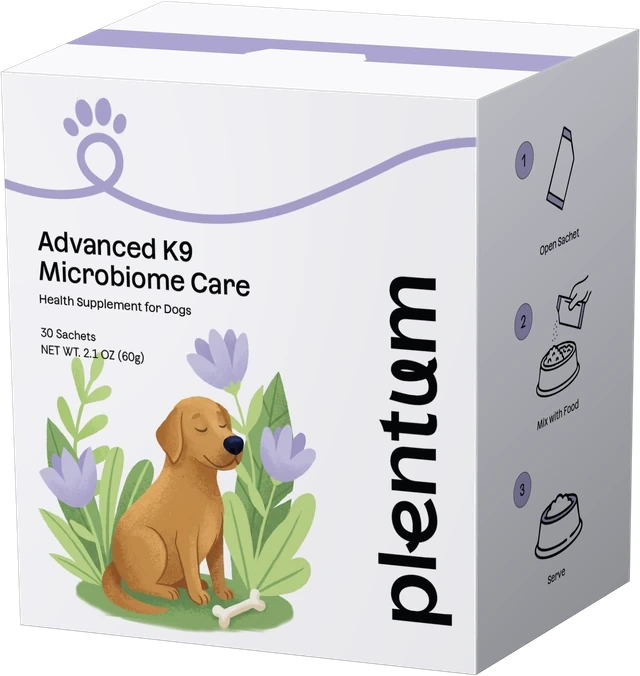
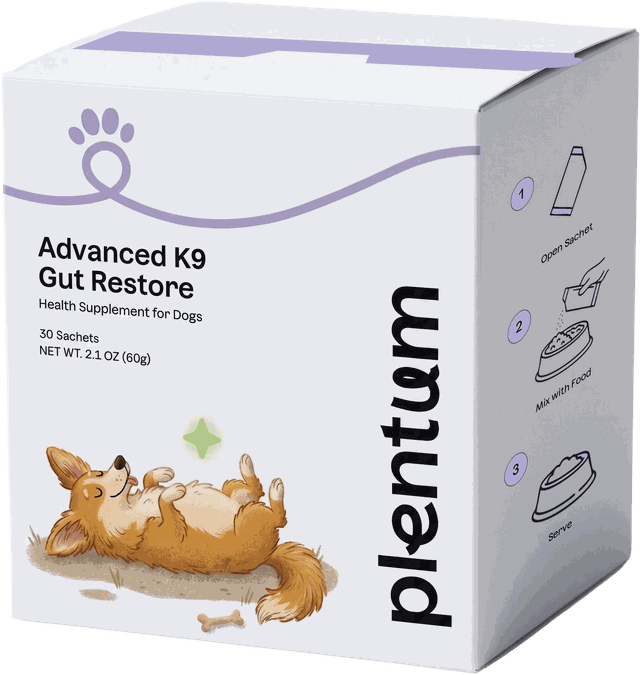
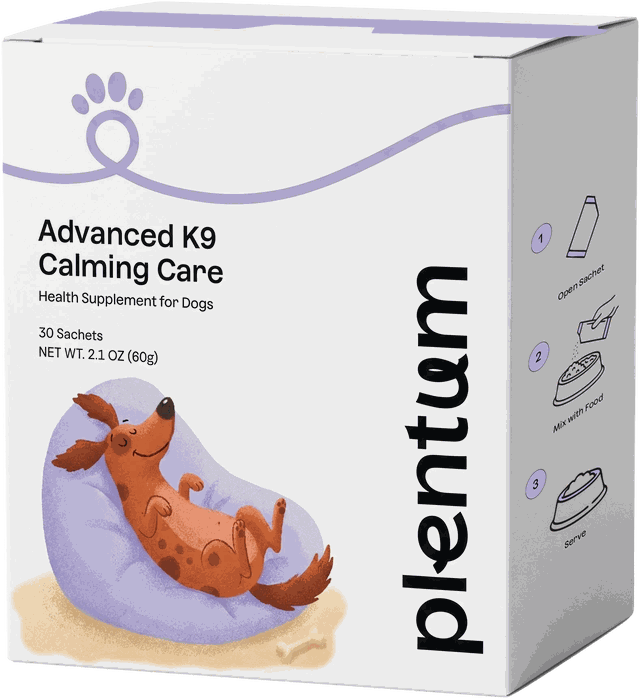
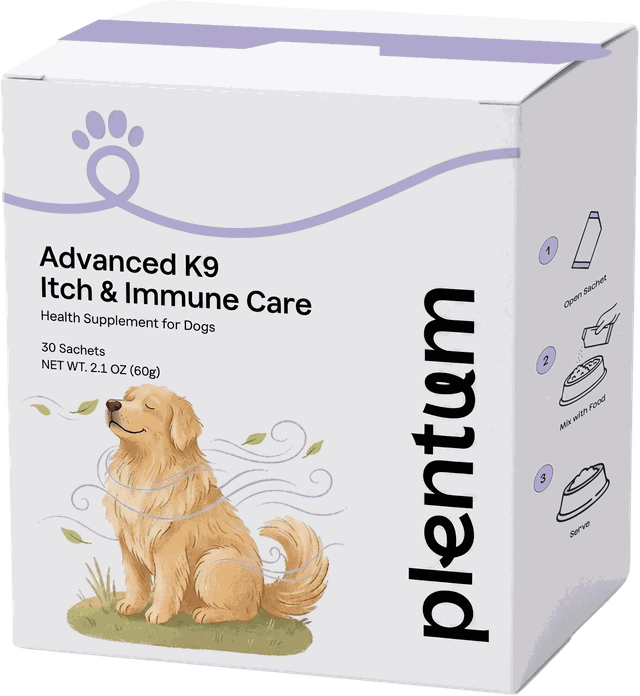
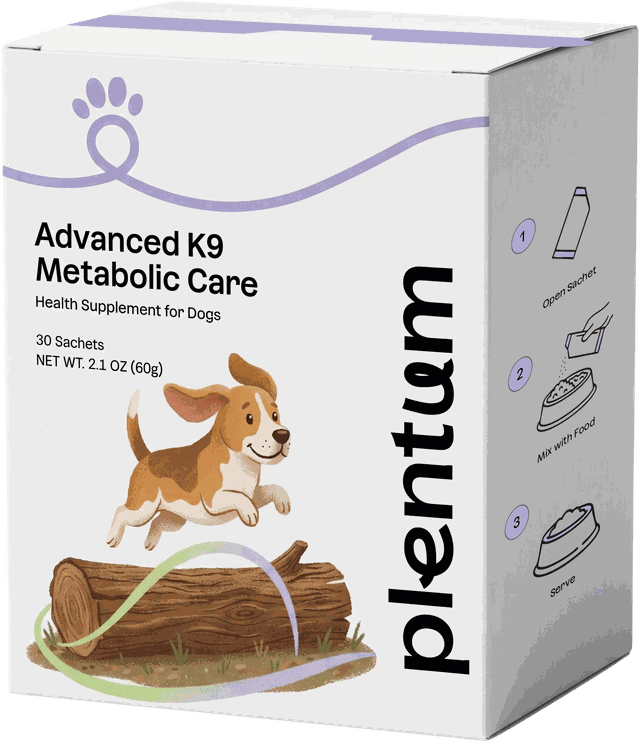
For some dogs, a weight-management supplement may sit alongside treat limits, measured meals and regular activity.
It should never replace those basics.
Give a new product a few weeks of steady use before judging it.
Keep the rest of the routine the same.
Our free dog calorie calculator and body condition chart estimates daily calories from your dog's weight and activity.
Frequently asked questions
How many treats can my dog have a day?
As a general guide, keep treats to about 10 percent of daily calories and let meals cover the rest.
Your dog's size, age and activity change the actual number.
Are apple slices safe for dogs?
Yes, as long as you remove the core, stem and every seed first.
Offer a few thin slices at a time, since they contain natural sugar.
Stop if your dog gets loose stool afterward.
What vegetables work best as training treats?
Baby carrots and cucumber are the most practical: very low in calories and easy to portion.
Small apple pieces and cooked sweet potato work well now and then.
Skip onion, garlic, leeks and chives, which are toxic to dogs.
Can I use my dog's regular kibble as a training reward?
Yes, lots of owners use part of the daily kibble for training, which keeps total calories the same.
Measure it out before each session so you know how much is left for the meal.
It works best with small, frequent rewards.
Primary veterinary reference
Use this guide alongside the WSAVA Global Nutrition Guidelines and the advice of your own vet.